Yes, you can powder coat stainless steel. The finely ground pigment-and-resin powder is sprayed on with an electrostatic gun, then baked in an oven until it melts into a hard, durable finish. The one catch is that stainless steel’s smooth, passive surface has to be cleaned and roughened first, or the coating won’t bond properly.
Powder coating helps to change the texture and colors of stainless steel surfaces. It can also help to improve the corrosion resistance property of stainless steel.
What is the Difference Between Powder Coated Steel and Stainless Steel?
Stainless steel is made of many steel alloys, such as iron, carbon, chromium, phosphorus, manganese, nickel, sulphur, and silicon. The combination of these materials forms an outer layer of chromium oxide, which protects the stainless steel from corrosion.
Despite having corrosion resistant qualities, stainless steel does contain iron, carbon, and other elements which can rust from time to time. One way to ensure no rust will happen is to powder coat your stainless steel, adding an even more durable material to the already corrosion resistant metal.
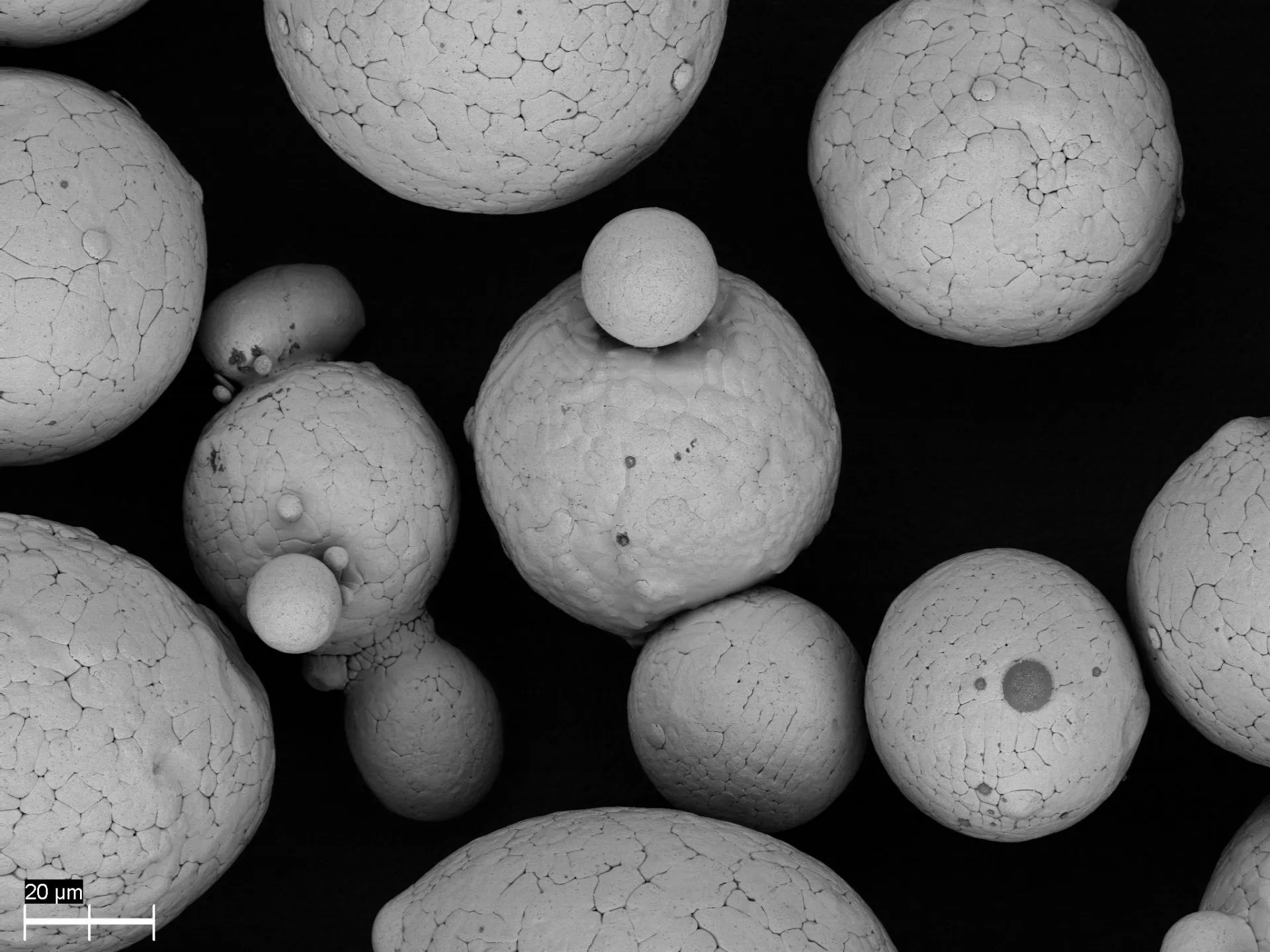
When doing this, the stainless steel is sprayed with finely ground pigments and resins as a dry powder, using an electrostatic gun. Afterward, the powder coated steel is heated and cured inside an oven. To make the coating stick, the resin and pigment are charged using static electricity before spraying them on the steel by the powder coater.
Powder coating protects the stainless steel from scratches, weathering, and stains, even going beyond what the natural qualities of stainless steel can provide.
Why Would You Powder Coat Stainless Steel?
Powder coating enhances the properties of stainless steel, such as corrosion resistance. You can give your stainless steel a new look while improving its durability. Further, it provides your stainless steel with a unique finish and allows you to color the material however you want.
Common Applications for Powder Coated Stainless Steel
Stainless steel has excellent corrosion resistance, but it is not necessarily corrosion-proof. The presence of certain elements on its surface sometimes allows for corrosion to emerge.
This is where powder coating becomes effective. Here are a few applications of powder-coated stainless steel:
- In cold locations, steel may get corroded by the chemicals used for de-icing. But if stainless steel has a powder coating, it can increase the life of the surface while making it look more attractive. This is why you will find powder coated stainless steel in water parks, workshops, etc.
- Railings generally have a powder coating to give the much-needed corrosion resistance.
- Places with a high possibility of impact, such as on carts, barbeques, skateboards, and bikes, will use powder coated stainless steel to minimize the impact and withstand the abuse of the environment longer than other materials.
How Does Powder Coating Work?
In a powder-coating process, dry powder is applied to stainless steel and cured under the coating supplier’s specified conditions. This is a controlled spray-finishing operation, not simply a paint substitute that can be used safely in any workspace.
The compressed powder is sprayed by passing it through an electrode inside the gun. This causes the spray to pick up a positive charge and get attracted to the steel surface.
The stainless steel has to be cleaned and prepared so the coating can bond. The powder’s safety data sheet, compatible spray equipment, grounding, ventilation, protective equipment, and cure schedule all need to be addressed before work begins.
OSHA’s spray-finishing standard treats powder coating as a process involving ignition, electrical, airborne-powder, and curing hazards. It requires sufficient mechanical ventilation and control of combustible dust, along with suitable equipment, grounding, housekeeping, and ignition controls. A household room and ordinary kitchen oven are not a compliant substitute for that setup.
Various powders are used for coating, each with unique properties. Here are some of the most common powders:
- Epoxies are highly durable and bring hardness, corrosion resistance, and chemical resistance to stainless steel.
- Polyesters are the most common powders and cheaper than the others. They cure at a low temperature, which makes them ideal for sensitive surfaces.
- Super durable polyesters are among the best powder materials available today, with excellent durability compared to standard polyester powder.
- Fluoropolymers have superior weathering and color retention, which makes them perfect for items like doors, windows, and curtain walls.
- Epoxy and polyester hybrids combine the properties of the individual powders with strong resistance to weather degradation.
Do You Need to Prepare Stainless Steel Before Powder Coating?
Yes, surface preparation is the single most important step, and it’s where powder coating stainless steel differs from coating ordinary carbon steel. Stainless steel is smooth and covered by a passive chromium-oxide layer, which is great for corrosion resistance but poor for adhesion: powder simply doesn’t grip a slick, unprepared surface well.
To get a coating that lasts, coaters usually:
- Clean and degrease the part thoroughly to remove oils, fingerprints, and residue.
- Abrasive blast (or etch) the surface to create a fine “tooth” the powder can key into. This roughening is what most improves adhesion on stainless steel.
- Apply a primer in some cases, particularly for outdoor parts that need extra corrosion protection.
Skipping proper prep is the most common reason a powder coat later chips or peels off stainless steel, so it’s worth doing carefully (or paying a professional coater who will).
Benefits of Powder Coating Stainless Steel
Powder coating provides a refined finish to stainless steel compared to paint. It offers many more advantages:
Standard Appearance
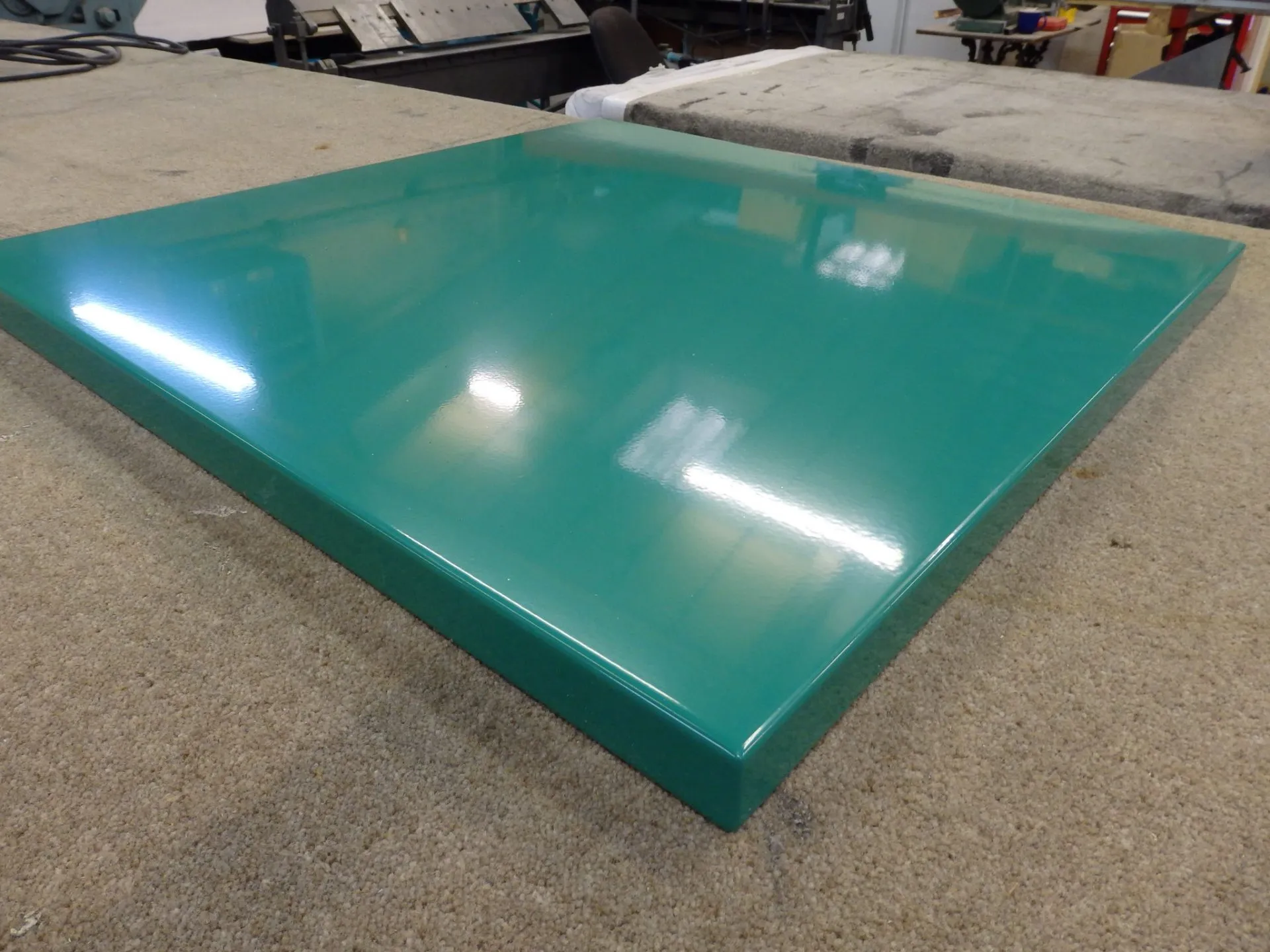
You can choose from various colors, custom patterns, and textures when powder coating stainless steel. This way, you can add more traction to parts like handholds and walkways. The final finish is thick and does not drip or need sanding. Overall, it enhances the appearance of your stainless steel surface.
Superior durability
A correctly specified and applied coating can add a barrier against weathering and abrasion. Performance still depends on surface preparation, coating chemistry, cure, edge coverage, impact damage, and the service environment. A chip or failed bond can expose the steel beneath it.
Cost efficiency
Powder coating stainless steel is a cost-efficient process compared to painting. It uses an electrostatic gun where you can set the amount of powder to fire onto the stainless steel, reducing overall material waste. Overall, the powder itself is also cheaper than paint.
Sustainability
Some powder systems avoid the solvents used in certain liquid coatings and can recover overspray. That does not make the process exposure-free: airborne powder, combustible dust, cleaning chemistry, and curing emissions still require controls. Compare the exact coating systems and their safety data rather than making a universal environmental claim.
How Long Will Powder Coating Last on Stainless Steel?
Powder coating, in general, lasts much longer than paint.
On average, powder coating stays strong for 10-15 years because of its durability and corrosion resistance. Due to their greater durability, you can find them on bicycles, bikes, cars, and many everyday items.
Is Paint or Powder Coating Better for Stainless Steel?
Powder coated stainless steel is better than painted stainless steel as it provides an even finish. Painted stainless steel requires a round of sanding to smooth out its surface, while powder coating is quickly accomplished using a gun and a curing process.
Powder coat is usually thicker than paint and ensures higher durability. While both processes give you plenty of color choices, it is more flexible in powder coating.
That said, powder coating is slightly more expensive in the short term than painting. Powder coating makes the stainless steel more rigid and durable than painting.
Frequently asked questions
Does powder coating stick to stainless steel?
It does, but only with proper preparation. Because stainless steel is smooth and has a passive surface, the part must be cleaned and abrasive-blasted (or etched) first so the powder has something to grip. Done right, the bond is strong and long-lasting; skip the prep and the coating is prone to peeling.
Can I powder coat stainless steel at home?
Treat powder coating as a controlled industrial process, not a casual indoor DIY project. OSHA requires mechanical ventilation, ignition and static controls, housekeeping that avoids dust clouds, and equipment suited to powder spraying and curing. The coating’s safety data sheet may add respiratory, skin, eye, and cure requirements. Use a qualified coating shop unless you have an appropriately designed and permitted installation; never use an oven that also prepares food.
Is powder-coated stainless steel still corrosion resistant?
Yes, and it’s actually more protected. Powder coating adds a durable barrier on top of stainless steel’s natural corrosion resistance, which is why it’s used on outdoor railings, playground equipment, and marine or de-icing environments. The coating shields the metal from scratches, weathering, and chlorides.
How much does it cost to powder coat stainless steel?
Cost varies with the size and number of parts, the prep required, and your local shop’s rates. Small items are relatively inexpensive, while large or complex pieces cost more because of the extra prep and material. Because stainless steel needs careful surface preparation, expect to pay a bit more than for coating plain steel.
Bottom Line: Can You Powder Coat Stainless Steel?
Yes!
Stainless steel can be powder coated using colors of your choice. The process changes the surface texture and makes it more resistant to corrosion.