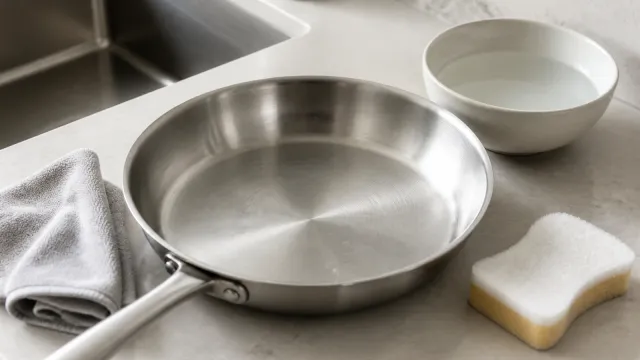
Can You Use Bar Keepers Friend on Stainless Steel?
Bar Keepers Friend can work on compatible bare stainless steel, but variants and finish-maker directions control use, contact time, rinsing, and safety.
34 posts in this category
Diagnose the mark before choosing a cleaner. Food residue, mineral deposits, heat tint, scratches, pitting, and structural damage need different responses.
Bar Keepers Friend can work on compatible bare stainless steel, but variants and finish-maker directions control use, contact time, rinsing, and safety.
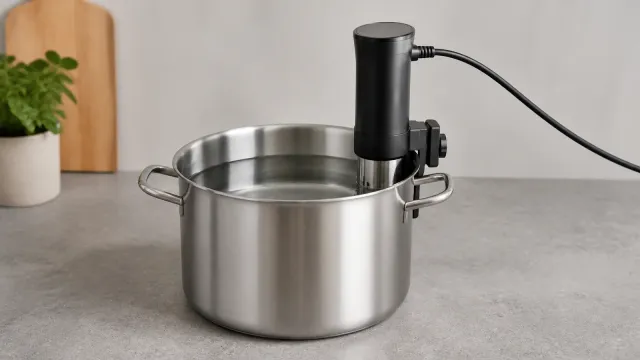
Yes, a stainless steel pot can hold a sous vide water bath, but the sealed food bag, circulator clearance, water level, cooling, and maker instructions control.
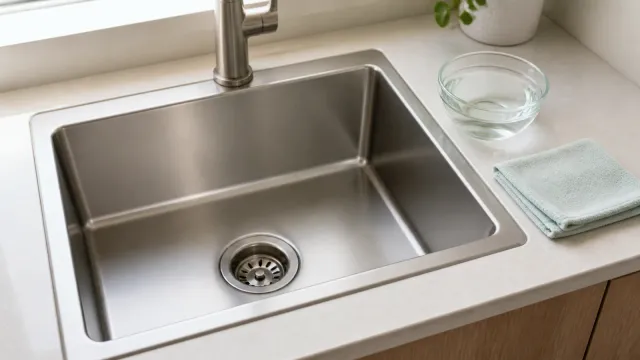
Clean a stainless steel sink without scratching it: use mild soap, wipe with the grain, rinse thoroughly, dry, and check the maker before stronger cleaners.
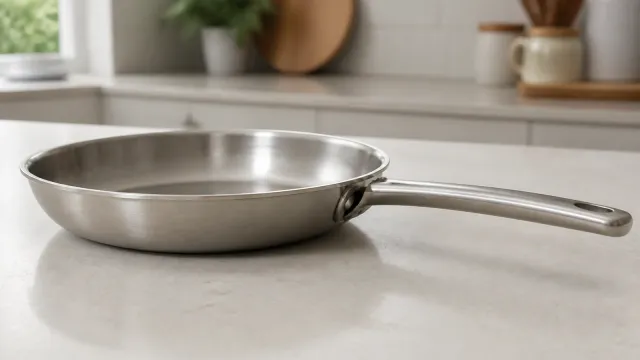
Do not cook with a loose pan handle. Learn when maker-approved tightening is reasonable, when to stop using the pan, and how to seek repair or replacement.
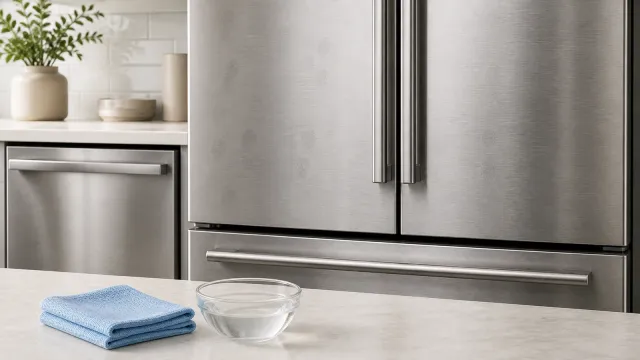
Learn how to clean stainless steel appliances without streaks using mild soap, a soft cloth, the grain direction, and finish-specific care for coated panels.
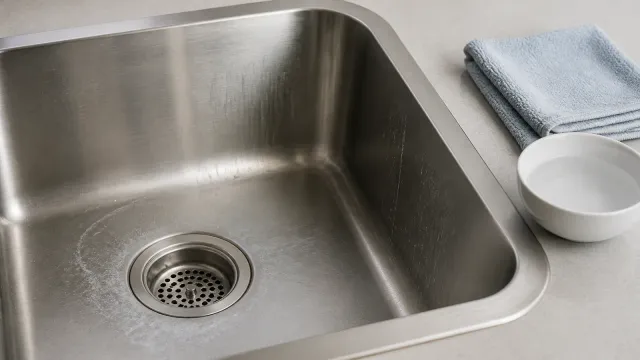
Remove hard water stains from a stainless steel sink by identifying mineral film, starting mild, following maker-approved acid care, rinsing, and drying.
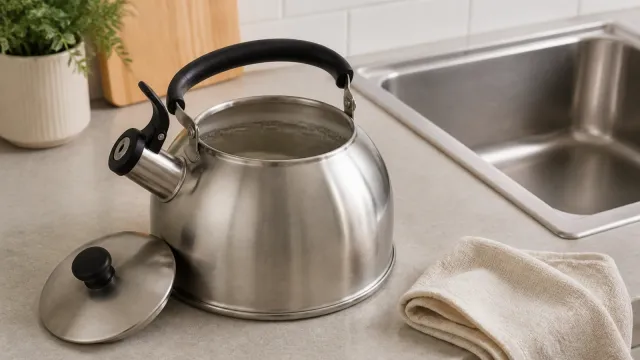
How to descale a stainless steel kettle: identify mineral scale, follow maker-approved acid directions, rinse thoroughly, and keep electric bases dry.
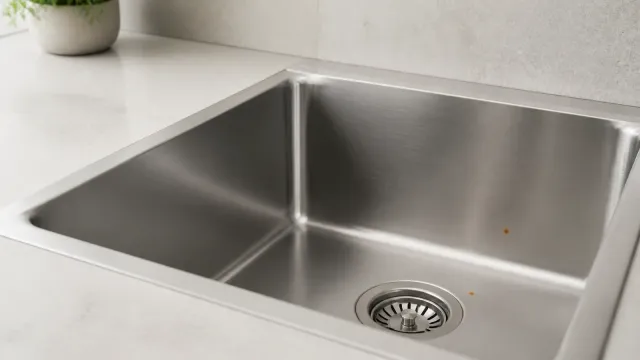
Stainless steel sink rust is often transferred iron or residue, but rough pits, chloride exposure, wet crevices, and returning spots need a maker check.
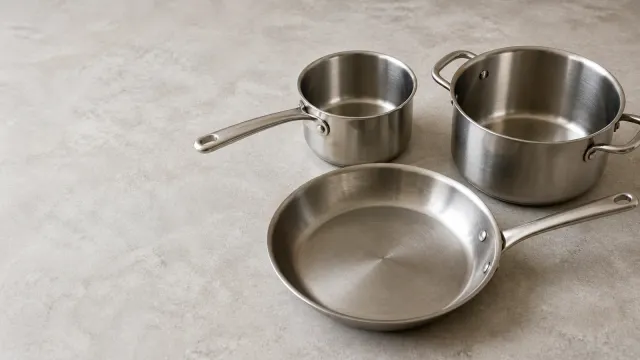
Stainless steel cookware has no fixed lifespan. Inspect its surface, base, welds, handles, and care history to decide whether to keep, repair, or replace it.
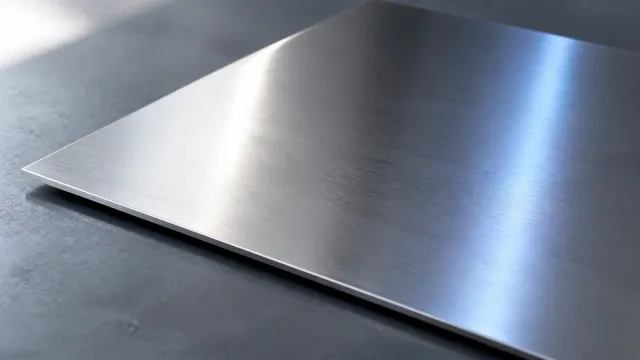
Stainless steel passivation forms a thin chromium-rich passive film. Learn how natural passivity differs from cleaning, pickling, and chemical treatment.
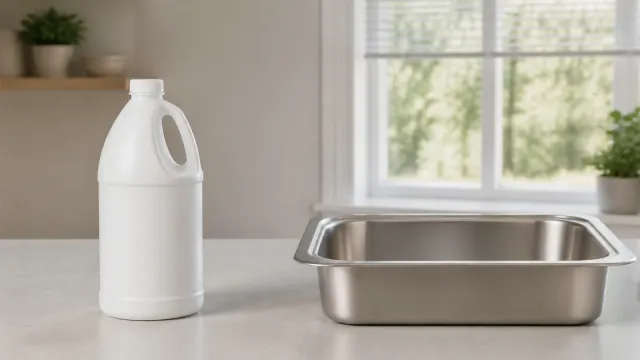
Bleach is usually a poor choice for stainless steel. Learn when maker-approved disinfection fits, what to do after contact, and when pitting needs inspection.
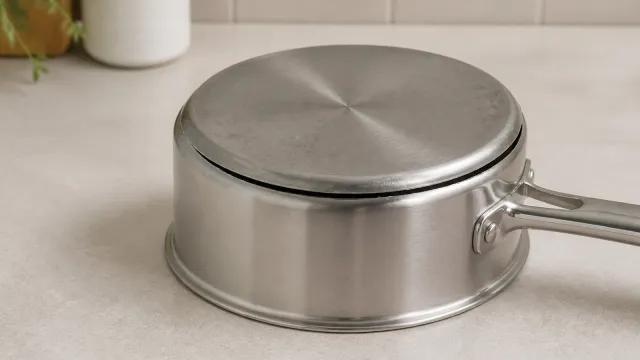
No. If a bonded base is separating, stop using the cookware, document the gap, and contact the manufacturer or retailer for a warranty review or replacement.
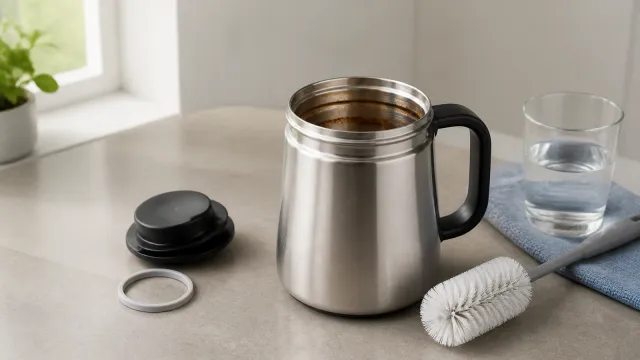
Remove coffee stains from stainless steel with mild soap first, then match any deeper treatment to the maker's rules for the body, lid, gasket, and seams.
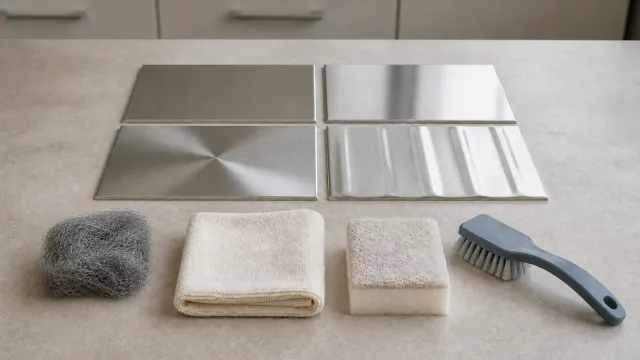
Steel wool can scratch stainless steel and leave iron behind. Compare safer nylon pads, soft brushes, and microfiber cloths, then learn when to stop safely.
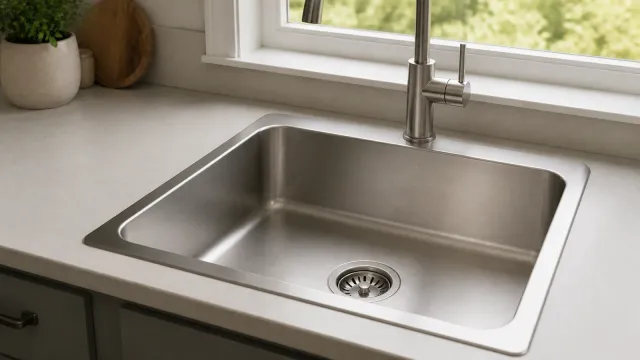
Blend light scratches in a stainless steel sink by matching its finish and grain, then stop when a gouge, coating, or unknown damage needs the maker's advice.
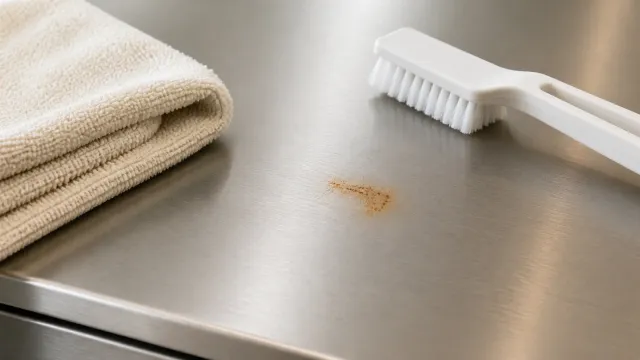
Learn how to remove rust from stainless steel safely by identifying iron transfer, heat tint, active corrosion, or pitting before you clean and rinse.
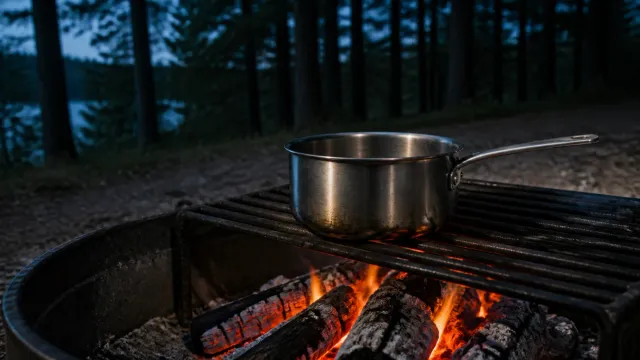
You can use stainless steel cookware on a permitted campfire, but direct flame, unstable support, coatings, handles, soot, and thermal shock set strict limits.
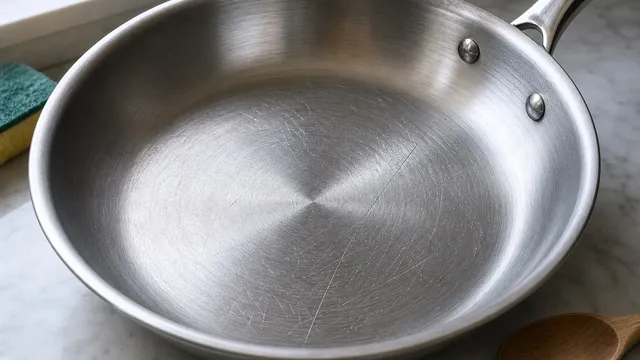
Light scratches on uncoated stainless steel pans are usually cosmetic. Stop and inspect deep gouges, pitting, exposed core metal, or separating layers.
Clean a burnt stainless steel pan by cooling it, soaking it in warm soapy water, loosening residue gently, then treating only the marks that remain.
Clean a stainless steel pan bottom by identifying grease, burnt oil, or heat color, then treating only that residue with a finish-safe method.
Clean stainless steel pans by identifying the residue first, starting with soap and water, and using a targeted treatment only for marks that remain.
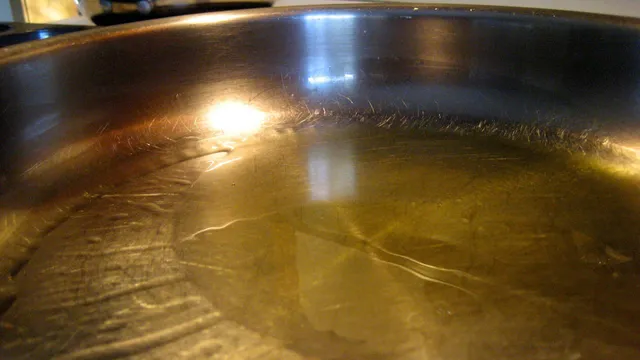
Remove burnt oil from stainless steel by washing off loose grease, softening the film, then using a cookware-approved cleanser with light pressure.
Store stainless steel pans clean and dry, with stable handle support and soft separators when stacking would rub polished surfaces or other coatings.
Rainbow stains on stainless steel pans are usually heat tint. Wash the pan, then use diluted vinegar if the cookware maker permits it and rinse well.
White spots on stainless steel pans are usually mineral deposits. Wash first, then use a maker-approved diluted vinegar treatment and dry the pan.
Stainless steel pans warp after uneven heating, excessive heat, or sudden temperature change. Prevent thermal shock and assess damage before reuse.
A stainless steel pan can turn brown from polymerized oil or smooth heat discoloration. Wash it first, then identify the surface before treatment.
The Weiman kit is the best stainless steel cleaner for most appliance surfaces. Compare four picks for appliances, cookware, sinks, and gentler cleaning.
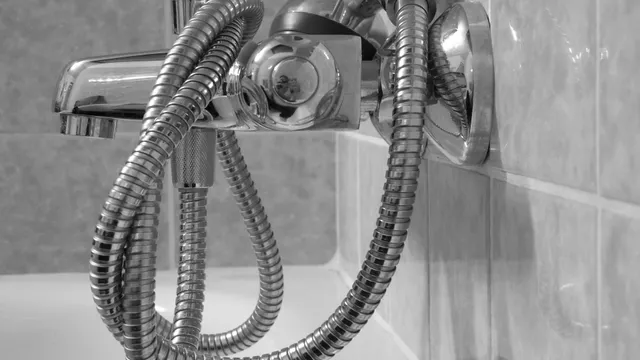
Stainless steel usually resists shower moisture, but grade, finish, chlorides, water deposits, crevices, contamination, and care determine whether it rusts.
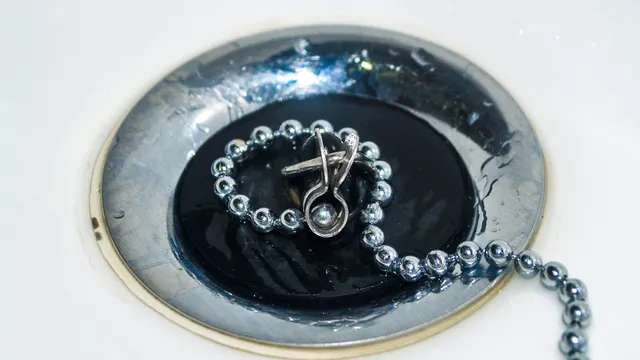
Start with warm water, mild dish soap, and the maker's care guide to restore stainless steel safely. Use only cleaners approved for that exact surface.
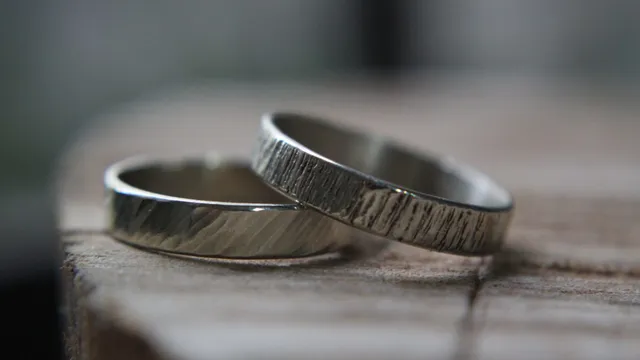
Stainless steel itself rarely turns skin green. A mark often points to copper or brass in mixed-metal jewelry. Learn what the color means and how to prevent it.
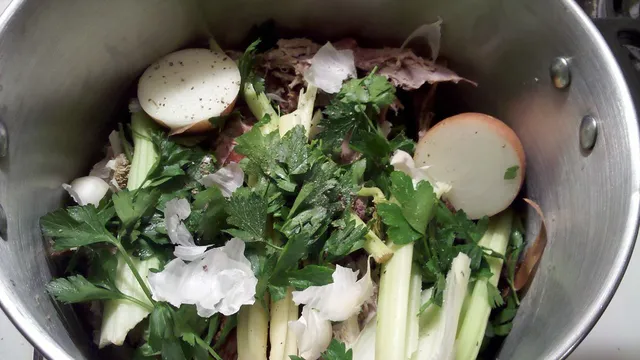
Stainless steel cookware is generally safe when used as directed, but acidic foods can increase nickel and chromium migration. What cooks should know.
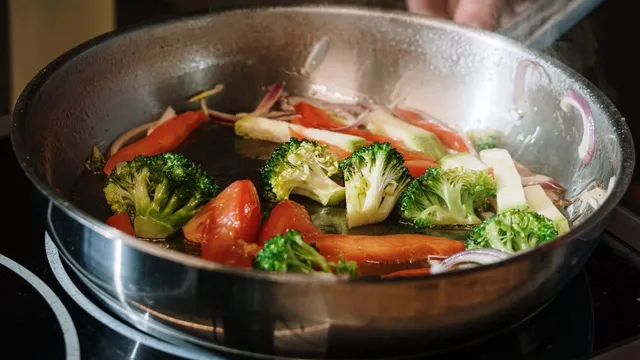
No, stainless steel pans do not need seasoning. Preheat over moderate heat, add suitable oil, dry the food, and wait for natural release before turning.
Stainless steel can dull, stain, heat-tint, or corrode. The cause and safe cleaning method depend on alloy, finish, coating, exposure, and intended use.