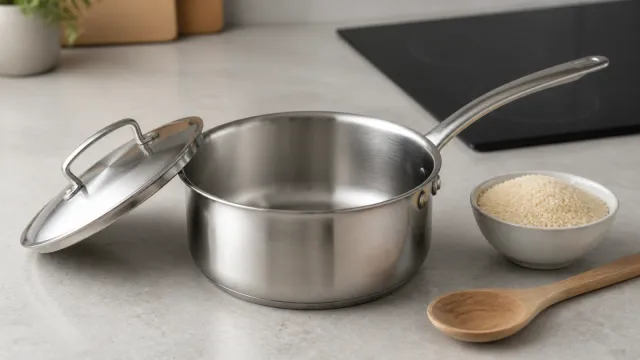
How to Cook Rice in a Stainless Steel Pot Without Sticking
Learn how to cook rice in a stainless steel pot with qualified guidance on rice type, rinsing, simmering, resting, sticking, and safe leftover storage.
16 posts in this category
Build stainless steel technique in order: learn moderate preheating, use enough cooking fat, and wait for browned food to release before forcing it from the pan.
Learn how to cook rice in a stainless steel pot with qualified guidance on rice type, rinsing, simmering, resting, sticking, and safe leftover storage.
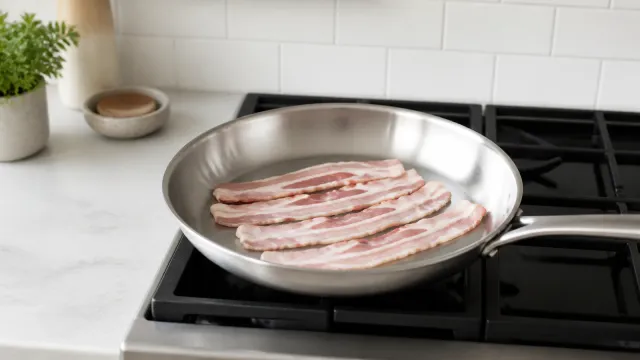
Cook bacon in a stainless steel pan with a qualified cold-start method, controlled heat, room for rendering, safe handling, and careful hot-fat cleanup.
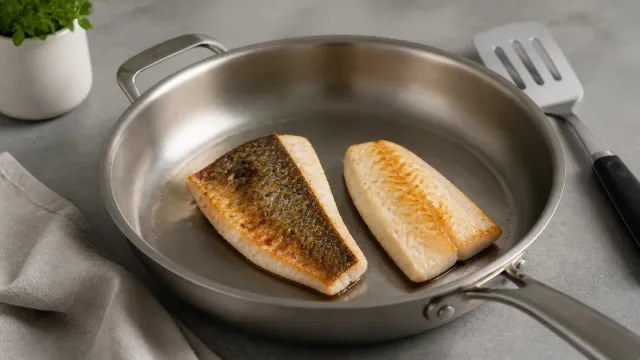
Cook fish in stainless steel without sticking by drying the fillet, warming the pan, using enough oil, waiting for release, and checking doneness safely.
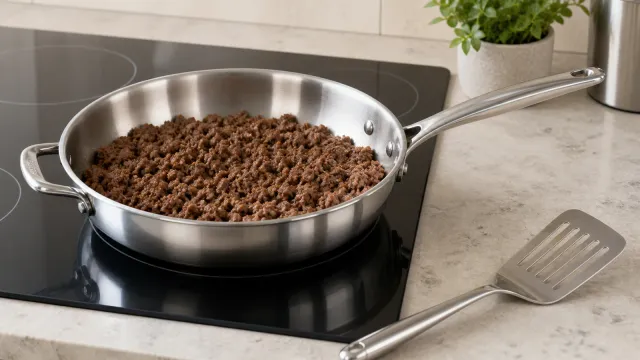
Yes, you can cook ground beef in stainless steel. Learn how to brown it, check the safe 160°F endpoint, prevent cross-contamination, and drain fat carefully.
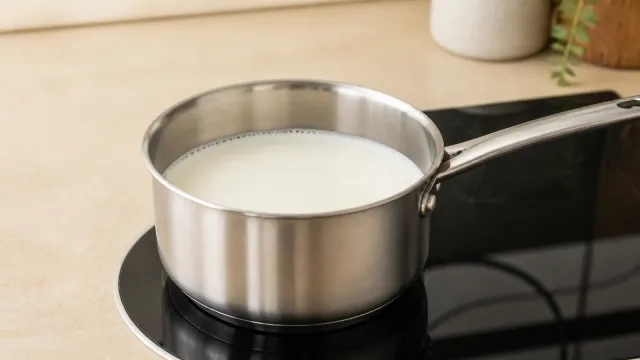
Yes, you can boil milk in stainless steel, but gentle heat, stirring, and attention matter more than a high burner setting. Learn the safe boundaries.
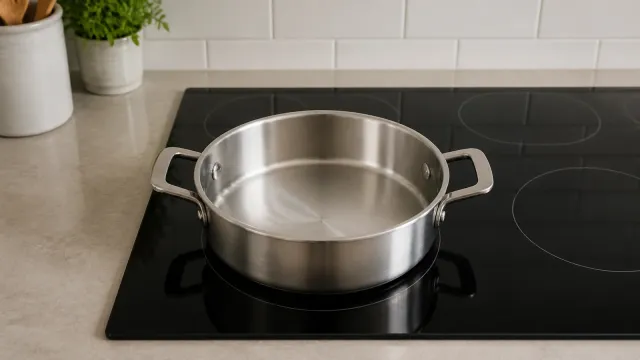
Does stainless steel cookware work on a glass top stove? Learn when a flat, clean base is suitable, how to lift pans, and why radiant glass is not induction.
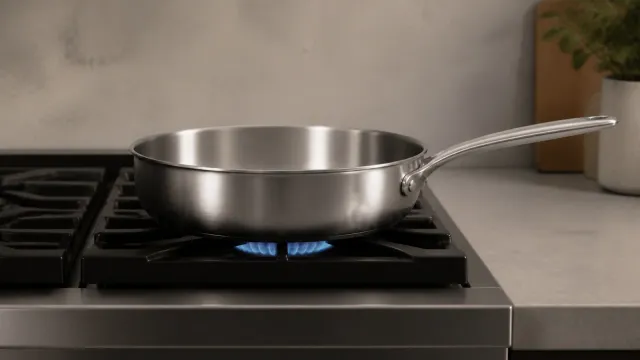
Stainless steel cookware can go on a gas stove when the pan is stable and the maker permits it. Learn how flame size, handles, heat, and care affect use.
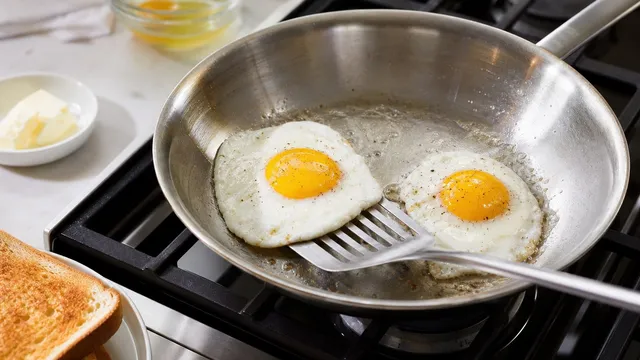
Preheat a clean stainless steel pan over medium-low heat, add butter, lower the heat, and add dry, room-temperature eggs for easier release.
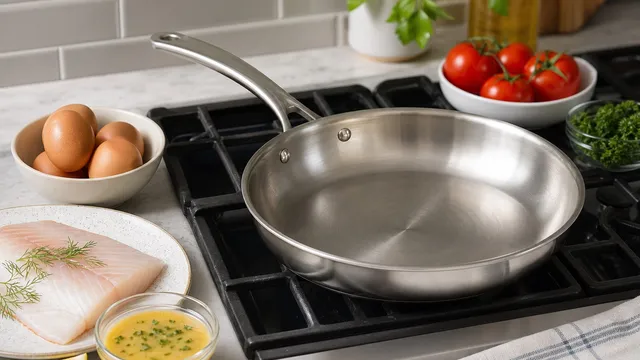
Stainless steel can cook almost anything, but delicate eggs, dry lean fish, and sticky sugar are poor fits unless you control heat, fat, and timing.
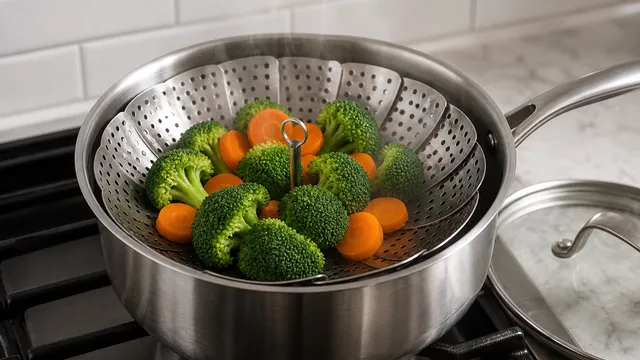
Add water below the basket, bring it to a simmer, arrange food in one layer, cover the pot, and steam until tender without letting the pot run dry.
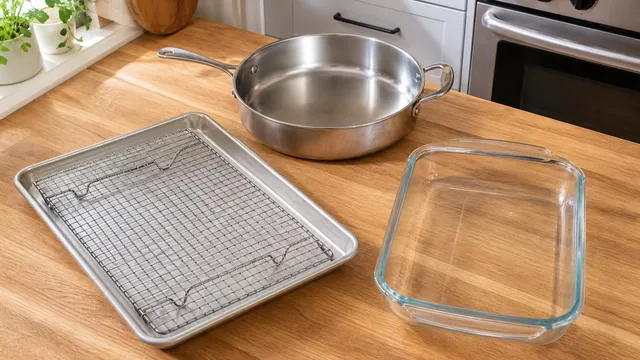
Use a rimmed sheet pan with an oven-safe rack for most roasts. An oven-safe skillet, baking dish, or Dutch oven also works when sized for the food.
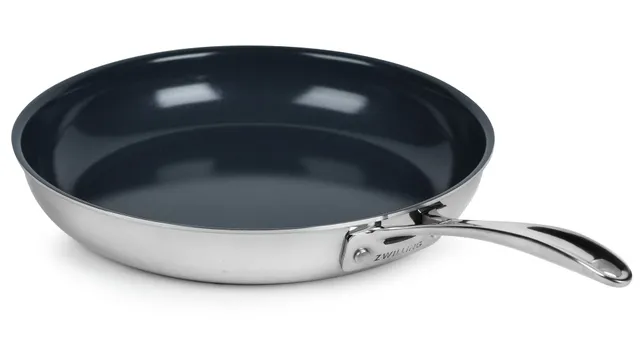
Ceramic coatings can add a nonstick surface to stainless cookware, but formula, durability, oven limits, damage response, and care vary by exact product.

Stainless steel works on induction if the pan base is magnetic. Use the 10-second magnet test and see why 430 works while 304 alone may not in daily use.
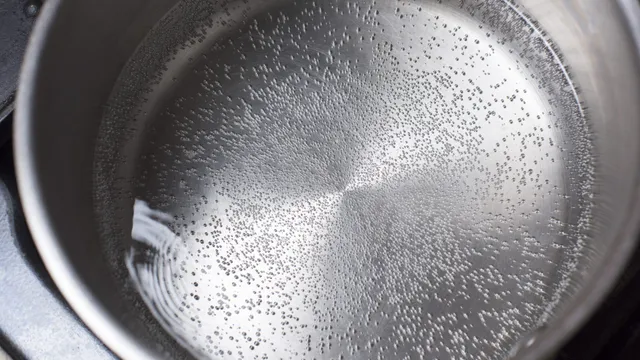
A stainless steel pan is ready when it reaches the heat your recipe needs and the oil flows easily. A water-bead test is optional, not a universal target.

Stainless steel can go in the oven when every part of the pan is rated for the temperature. Check the handle, lid, coating, and exact manufacturer limit.
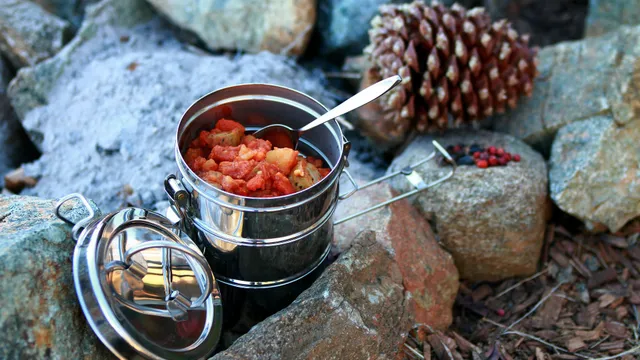
Keep stainless steel pans from sticking in four steps: preheat over medium heat, add oil, let it warm, then add dry food and wait for it to release safely.