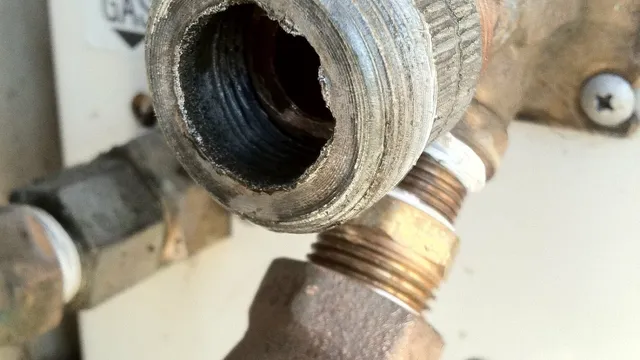
18/0 vs 18/10 Stainless Steel
Compare 18/0 and 18/10 stainless steel flatware for rust resistance, shine, magnetism, nickel content, cost, weight, and everyday care.
7 posts in this category
Compare 18/0 and 18/10 stainless steel flatware for rust resistance, shine, magnetism, nickel content, cost, weight, and everyday care.
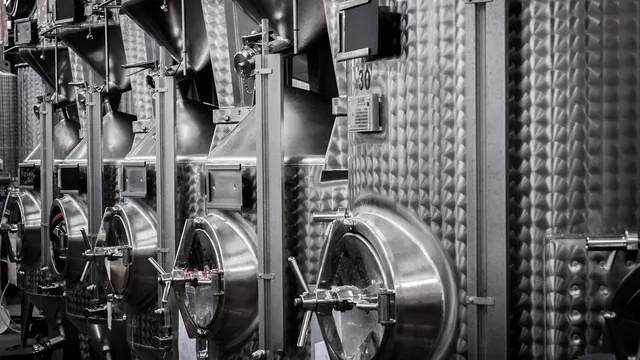
Compare 304 and 316 stainless steel by corrosion resistance, cost, magnetism, food use, and the environments where each grade makes sense.
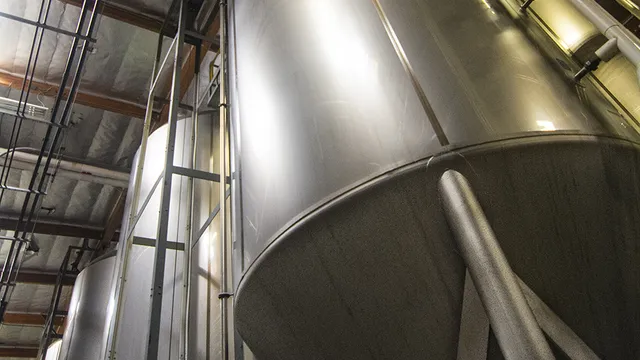
Compare 304 and 430 stainless steel for corrosion resistance, magnetism, food contact, induction cookware, appliances, and flatware.

Food-grade stainless steel is suitable for a stated food-contact use. Learn why grade, finish, fabrication, and use conditions all matter.
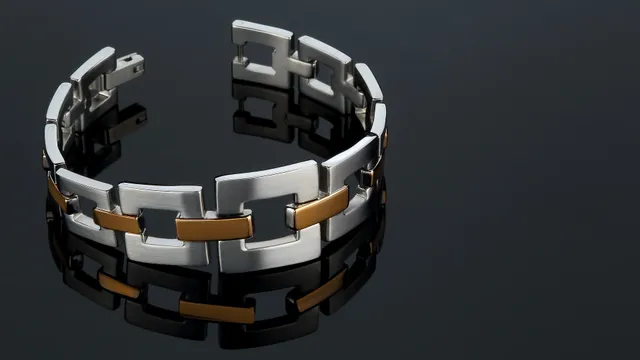
Stainless steel jewelry is not automatically hypoallergenic. Grades 304 and 316L contain nickel, so sensitive wearers should check nickel-release claims.
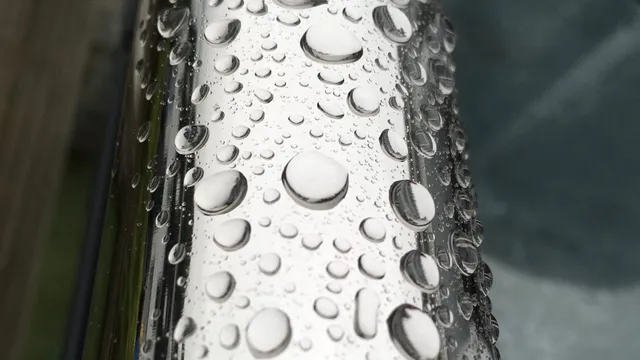
Stainless steel is water-resistant, not waterproof. See how fresh water, salt, chlorine, grade, deposits, and care change its corrosion risk over time.
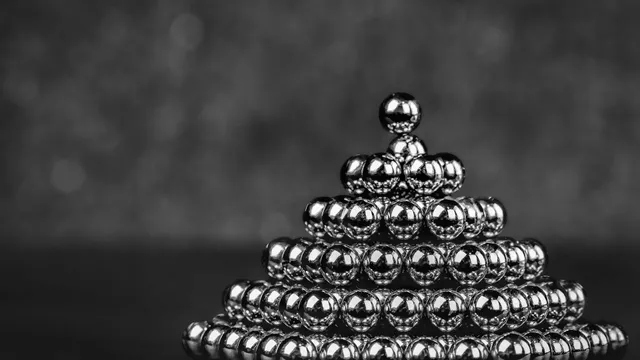
Some stainless steel is magnetic. Ferritic grades like 430 and 409 are; austenitic 304 and 316 usually aren't. A grade-by-grade guide with a magnet test.