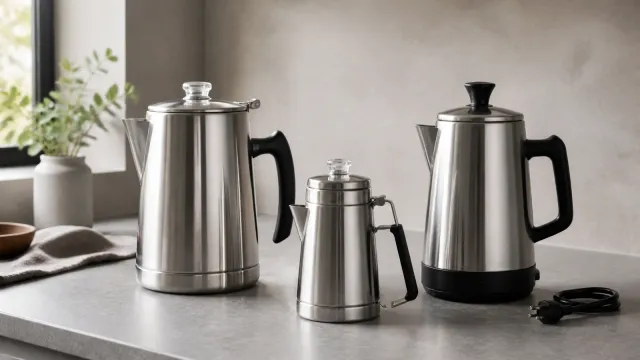
Best Stainless Steel Coffee Percolators
Compare stainless steel coffee percolators for stovetop, camping, and electric brewing, with verified capacity, basket materials, heat sources, and care limits.
28 posts in this category
Stainless steel is widely used for food and drink equipment, but taste and performance also depend on water, residue, seals, and the non-steel parts of the product.
Compare stainless steel coffee percolators for stovetop, camping, and electric brewing, with verified capacity, basket materials, heat sources, and care limits.
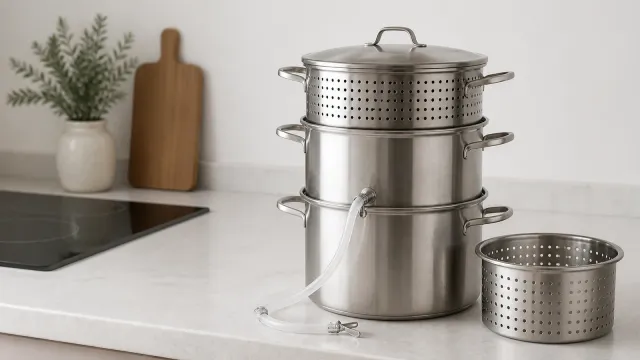
Compare stainless steel steam juicers by water pot, juice collector, basket, lid, hose, cooktop, care, parts, and evidence limits without canning promises.
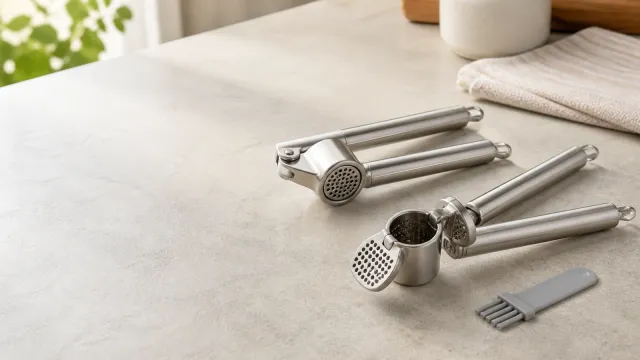
Compare stainless steel garlic presses by chamber, plate, food-contact material, dimensions, cleaning access, peeled-clove claims, care, warranties, and stock.
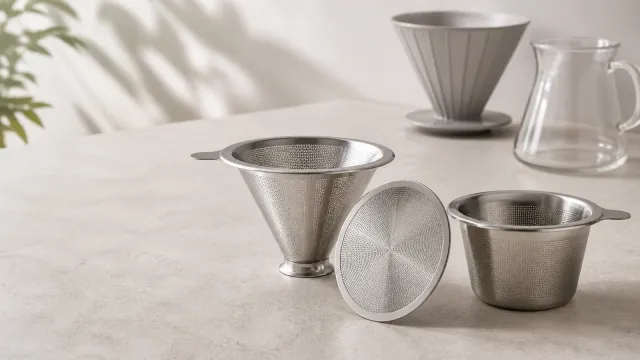
Compare stainless steel coffee filters by brewer fit, cone or basket format, documented metal contact, mesh or perforation, care, paper use, and evidence.
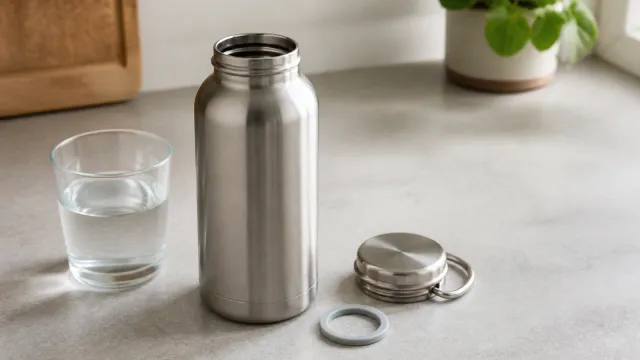
Stainless steel bottles can release trace nickel in some tests. Learn how alloy, drink, time, temperature, surface damage, and sensitivity change the question.
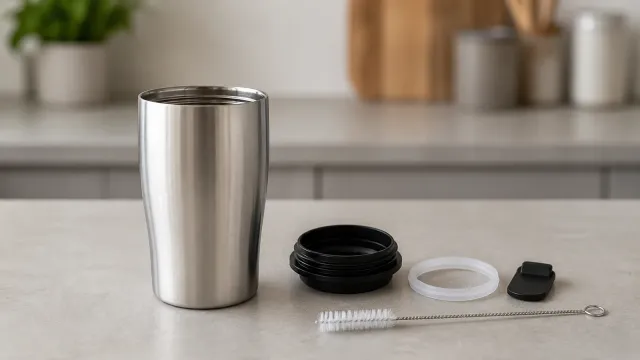
Learn how to clean a stainless steel travel mug, including its lid, gasket, slider, straw, coffee residue, odor, dishwasher limits, and drying routine.
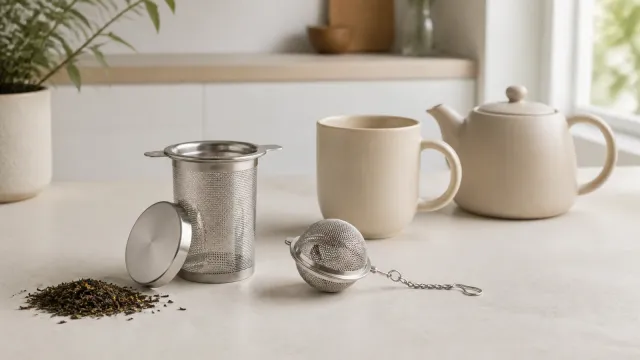
OXO Brew is our top stainless steel tea infuser for most loose-leaf tea. Compare basket, ball, mesh, fit, food-contact materials, and care with dated evidence.
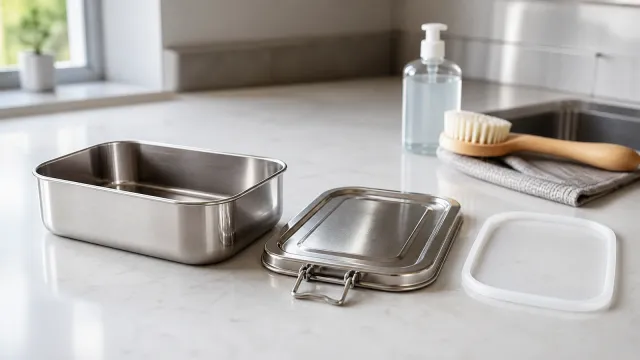
Clean a stainless steel lunch box with mild dish soap, a soft brush, and complete drying. Learn to handle gaskets, lids, odors, stains, and dishwasher limits.
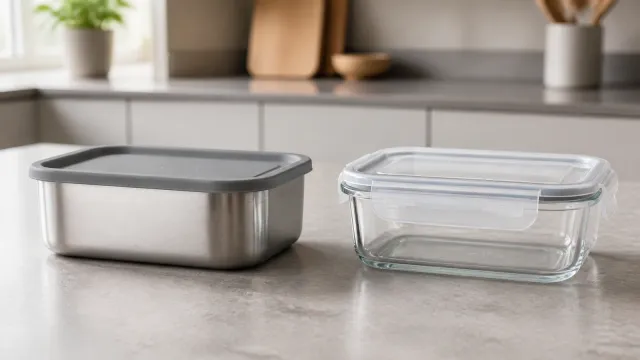
Compare stainless steel and glass food storage containers by visibility, weight, breakage, lids, appliance limits, food contact, care, and end-of-life.
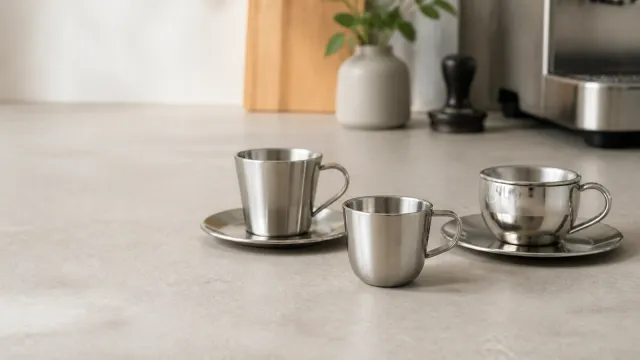
Compare small stainless steel espresso cups by exact capacity, wall construction, drink-contact material, rim, set count, saucers, and maker care guidance.
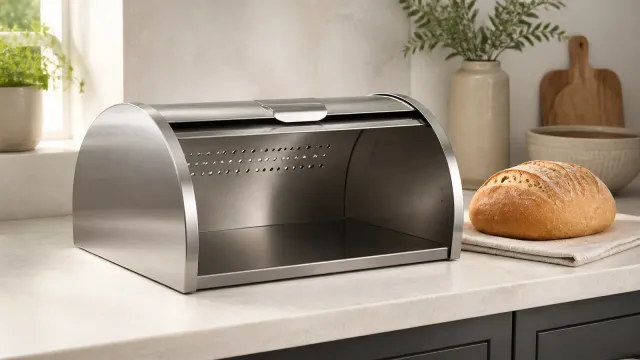
Compare stainless steel bread boxes by airflow, interior material, lid design, dimensions, and care. Brabantia leads with the clearest food-contact evidence.
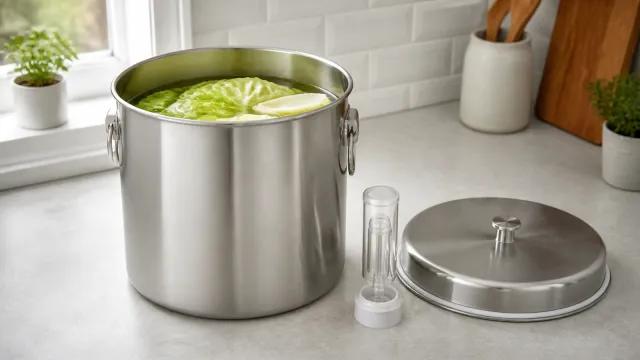
Yes, stainless steel can suit some food fermentation, but a documented vessel and tested process must control the food, brine, gas, and storage conditions.
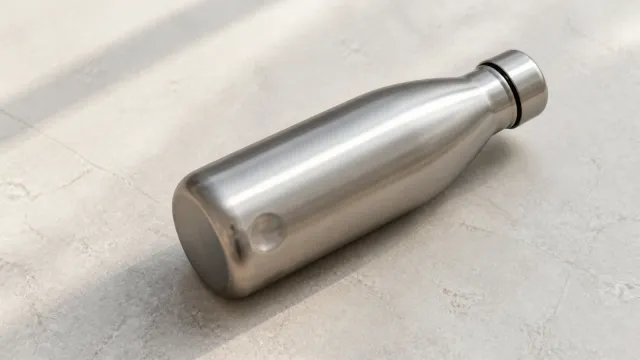
A shallow dent may be cosmetic, but sharp creases, leaks, exposed liner, lid damage, vacuum loss, or unknown contamination mean stop use and ask the maker.
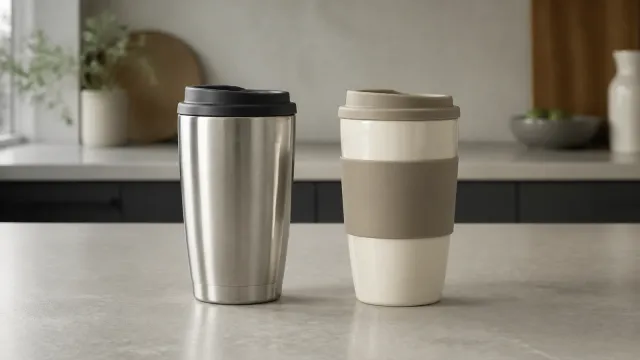
Choose stainless steel or ceramic travel mugs by comparing food-contact surfaces, leak claims, insulation, cleaning, damage, replacement parts, and care limits.
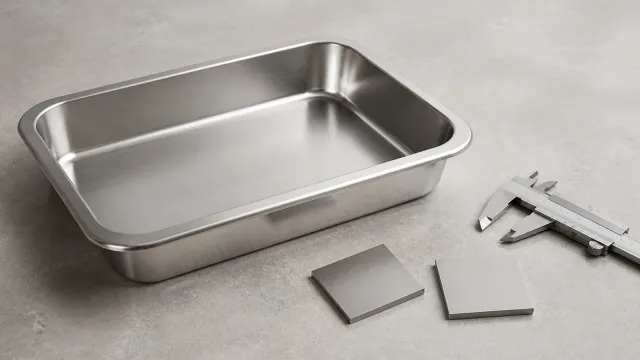
201 stainless steel can suit food-contact uses, but the grade alone is not proof. Learn how corrosion, finish, fabrication, and documentation change the answer.
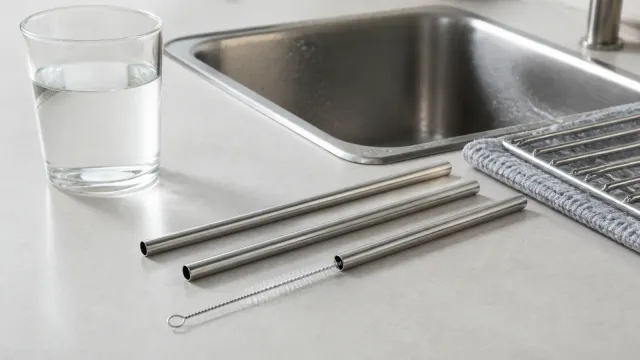
Learn how to clean stainless steel straws with warm water, mild dish soap, and a narrow brush. Rinse the bore, dry it fully, and follow the maker's care rules.
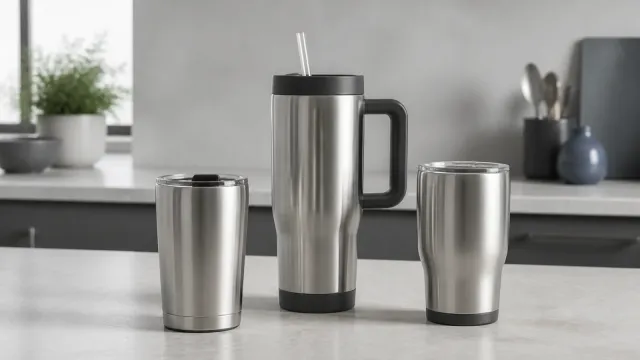
YETI Rambler 20 oz is the best overall stainless steel tumbler for cold drinks. Compare three models using dated material, lid, care, and food-contact evidence.
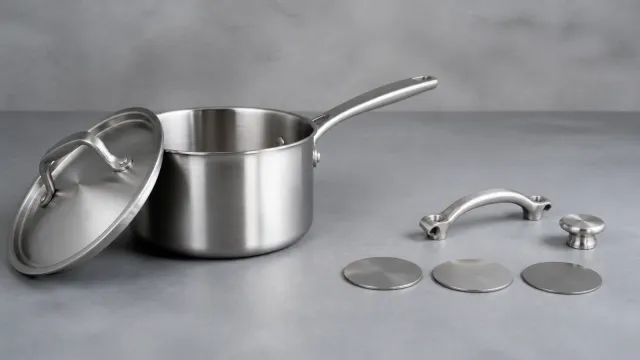
Common cookware stainless grades do not specify lead, but specialty alloys, contamination, and separate components matter. Learn what testing can show.
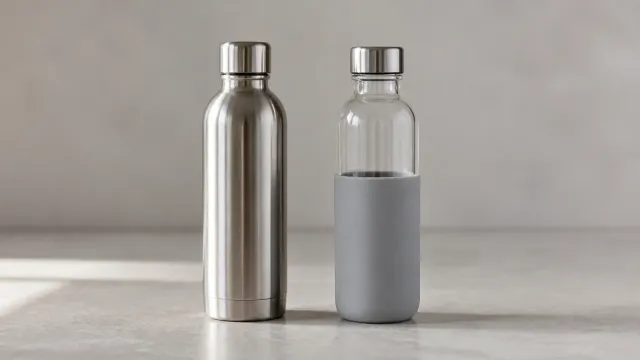
Stainless steel suits lighter carry and insulation; glass suits direct-from-glass drinking and easy visual checks. Compare breakage, lids, cleaning, and taste.
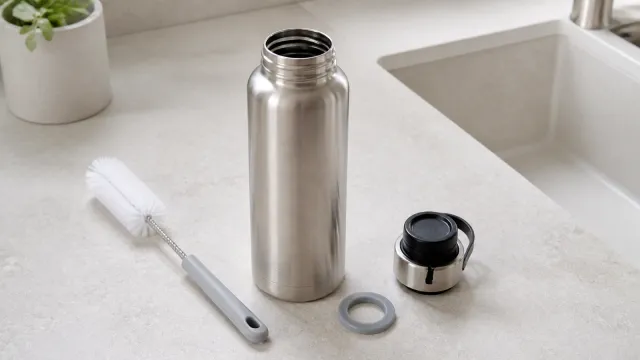
Learn how to clean a stainless steel water bottle, including the body, neck, cap, gasket, straw, odor film, residue, rinsing, drying, and replacement limits.
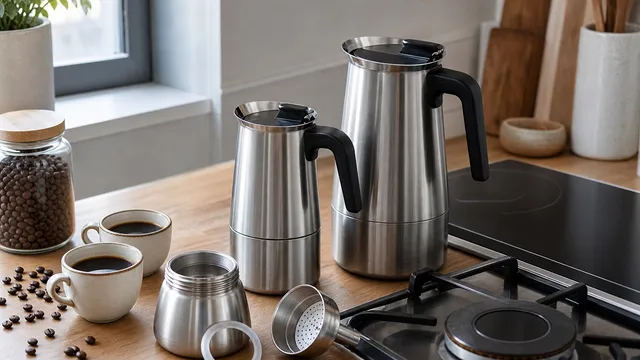
The Bialetti Venus six-cup is the best stainless steel moka pot for most kitchens. Compare larger, smaller, and 12-ounce induction-ready alternatives.
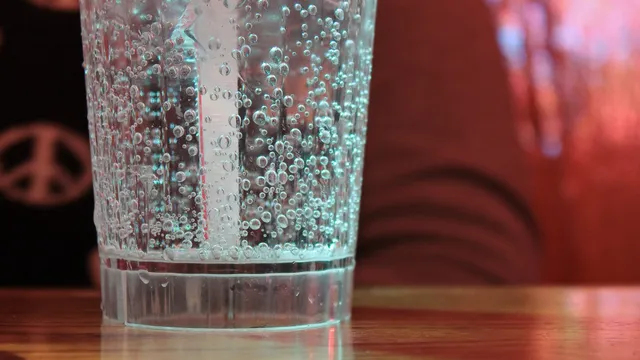
The Owala FreeSip is the best stainless steel water bottle for most people. Compare it with the Hydro Flask Wide Mouth and YETI Rambler to find your fit.
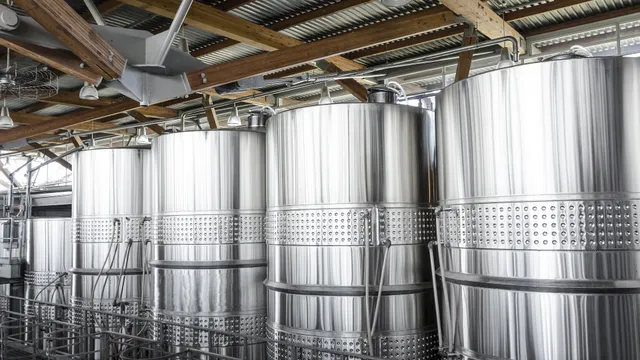
Clean, intact stainless drinkware made for wine is generally suitable. Cup shape, temperature, rim contact, and residue can change how the wine tastes.
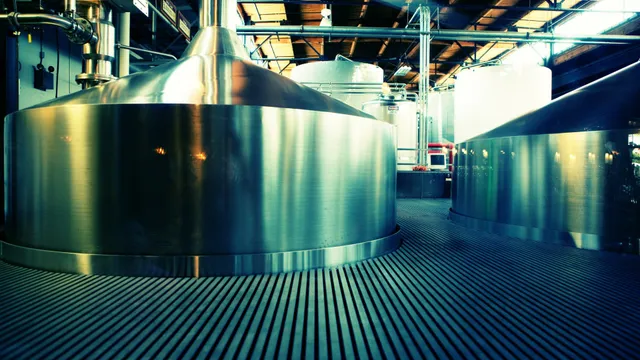
An intact stainless cup made for beer is suitable, but sealed growlers must be pressure-rated. Cleanliness, temperature, shape, and rim can affect flavor.
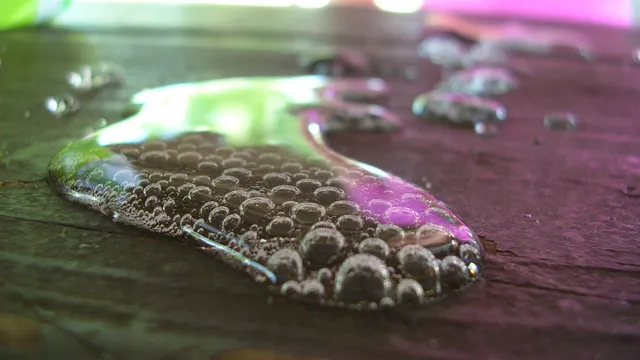
Put soda or sparkling water in a stainless steel bottle only when its maker approves the exact bottle and lid. Carbonation can pressurize the closure.
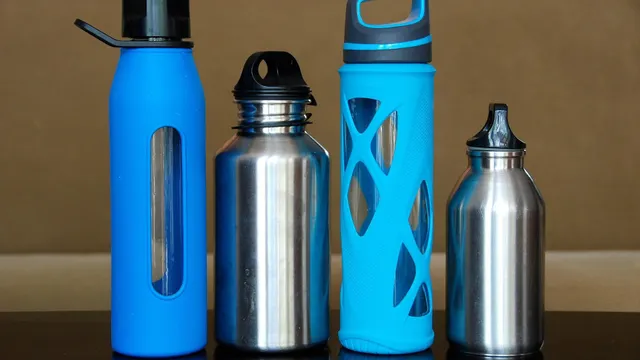
Does stainless steel have BPA? Bare uncoated stainless steel does not contain BPA. Learn which plastic lids or linings to check and what regulators currently say.
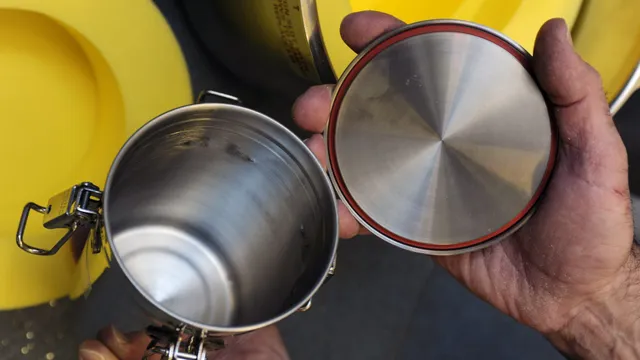
Food-grade stainless steel containers are safe for the fridge and freezer when used as directed. Learn about safe lids, cooling, thawing, and reheating.
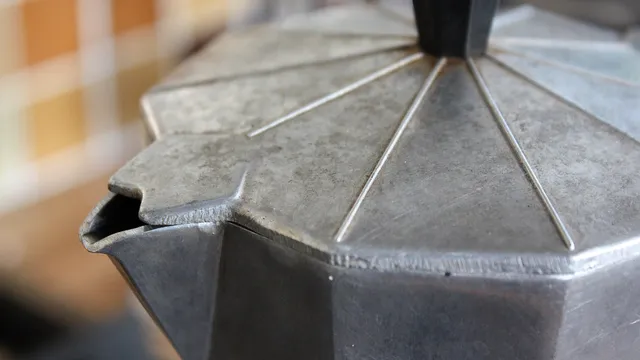
Clean, intact food-grade stainless steel usually does not add flavor to coffee. Residue, lids, coatings, drink temperature, and lip contact can change taste.