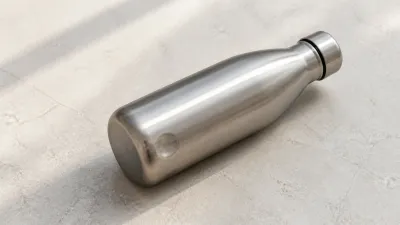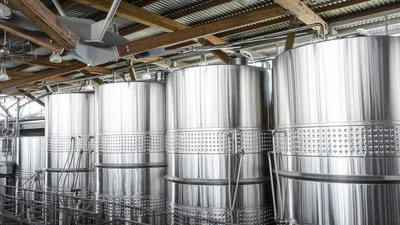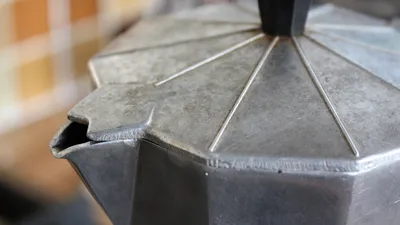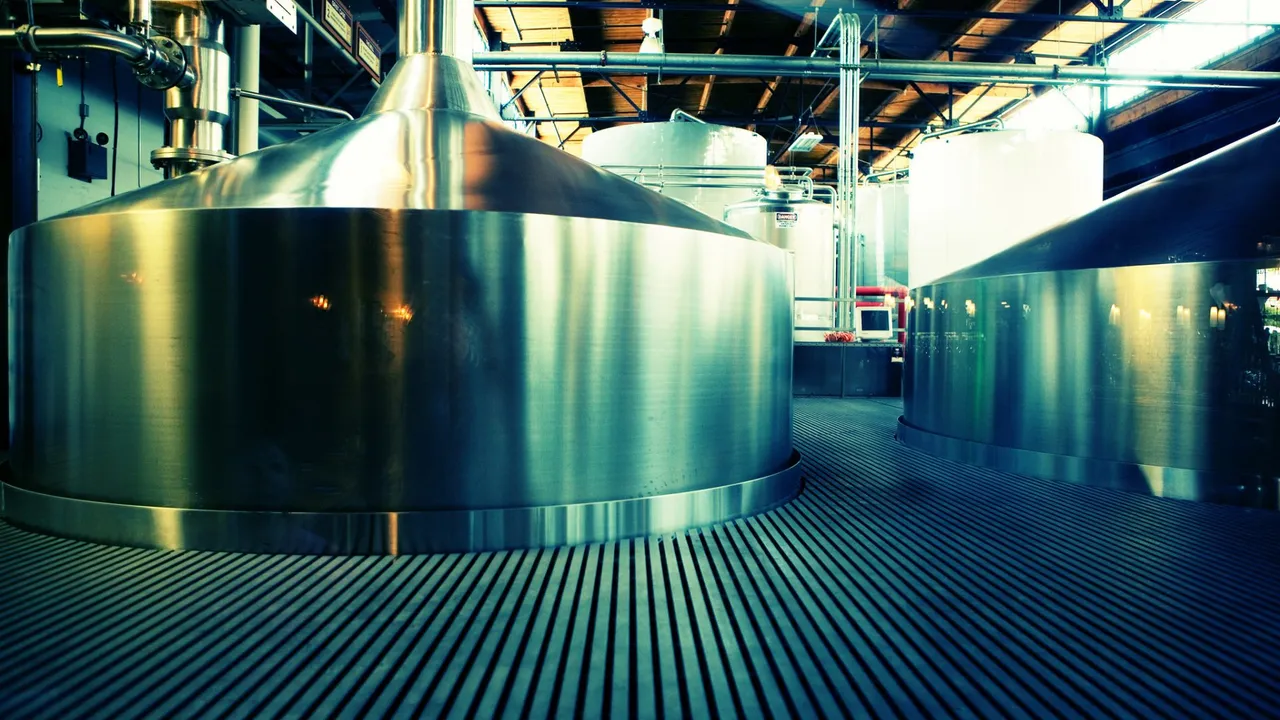
An intact stainless steel cup made for beverages is generally suitable for serving beer. That answer does not apply automatically to a decorative vessel, damaged lining, ordinary water bottle, or sealed container holding carbonated beer. The body, interior surface, rim, lid, gasket, intended use, and condition all matter.
An open cup and a closed growler pose different questions. The cup needs a suitable, clean food-contact surface. A sealed container also needs documented approval for carbonated contents and the pressure created by its filling method.
Start with the exact use
| Use | Evidence to check | Decision |
|---|---|---|
| Open stainless pint cup | Maker identifies it for beverages; interior and rim are intact | Suitable for serving beer when cleaned as directed |
| Insulated tumbler with lid | Body, lid, gasket, temperature, and cleaning instructions | Suitable only within the complete product’s limits |
| Professionally filled growler | Exact container and closure approved for carbonated beer; brewery handling instructions | Use only as the brewery and manufacturer direct |
| Ordinary bottle, flask, or vacuum vessel | Written approval for carbonation from the exact product maker | Do not use for sealed beer without that approval |
| Decorative or unidentified metal cup | Reliable food-contact documentation | Choose known beverageware instead |
The word stainless describes an alloy family, not a pressure rating or a food-contact approval for an unknown object. Do not infer a sealed vessel’s strength from its weight, wall thickness, magnet response, or metallic appearance.
What makes an open steel cup suitable?
Use a cup sold for beer or other beverages. Its food-contact surface should be smooth, cleanable, and free from deep pits, open seams, flaking material, or sharp damage at the rim.
The FDA calls its Food Code a model for retail food-safety best practices. The current 2022 Food Code requires multiuse food-contact surfaces to be safe under normal use and designed for cleaning. Those criteria are useful when inspecting drinkware, but they do not certify every item advertised online as stainless steel.
If the cup has paint, a lining, a plated finish, solder, or another coating on the inside or rim, that material becomes part of the food-contact question. Follow its instructions. Stop using the cup if that layer is peeling, blistering, or exposing an unknown base.
Why brewery tanks do not prove every cup is suitable
Breweries use purpose-built stainless tanks, pipes, kegs, and fittings because specified alloys and sanitary designs can work well in beer production. That is evidence for those engineered systems, not a shortcut for evaluating an unidentified cup, flask, or home-modified vessel.
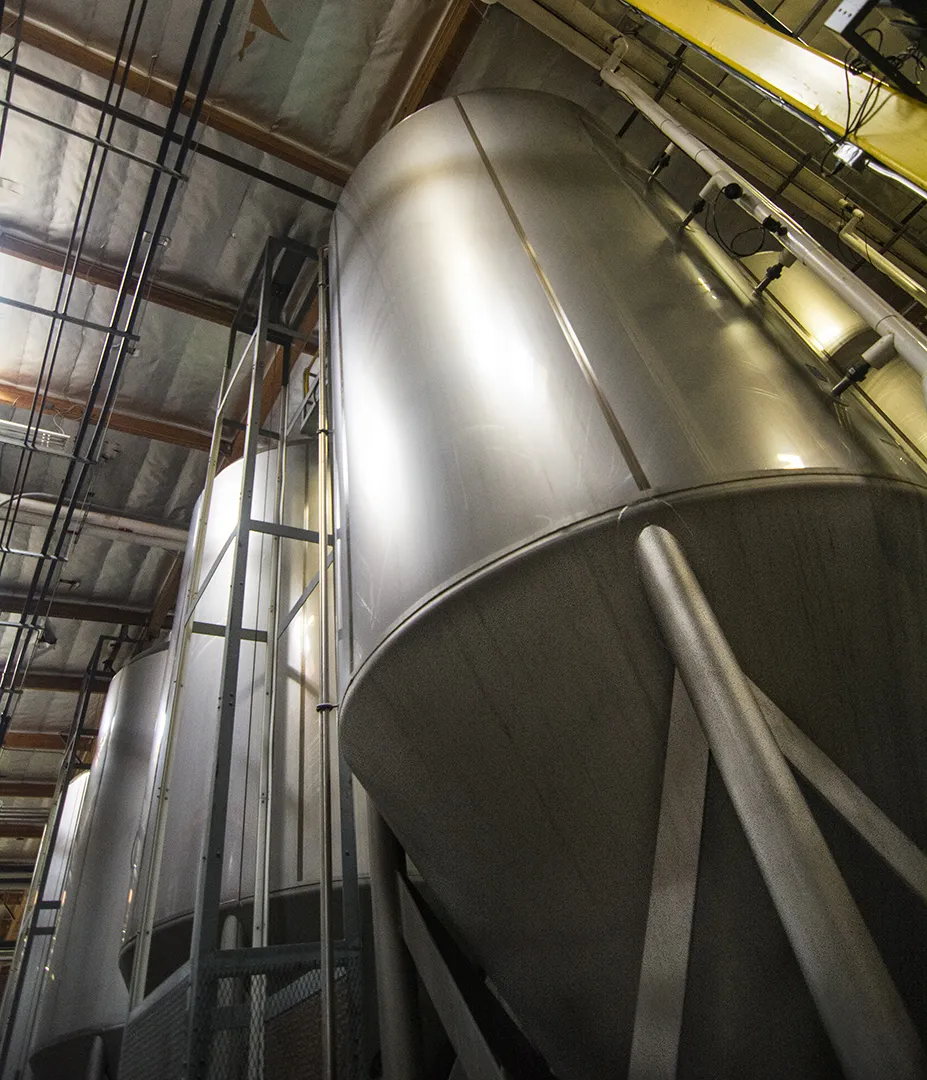
A commercial tank has documented materials, welds, fittings, cleaning procedures, operating conditions, and maintenance. A household cup may have a different alloy, finish, seam, lid, or coating. An insulated tumbler can also hide a vacuum wall and closure parts that set limits the visible steel does not reveal.
World Stainless explains that corrosion resistance comes from a chromium-rich passive surface, while grade, fabrication, finish, and exposure still determine performance. Its overview of stainless steel corrosion describes pitting, crevice corrosion, and other mechanisms that can occur under certain conditions. “Stainless” never means immune to damage or suitable for every chemical and cleaning process.
Can stainless steel change how beer tastes?
A steel cup can change the drinking experience without proving that the metal changed the beer. Temperature, shape, aroma access, rim contact, residue, and visual cues all change at once when beer moves from a clear glass to an opaque steel cup.
Consider each variable:
- An insulated cup may hold the beer colder for longer, which can alter aroma and flavor perception.
- A narrow opening can deliver aromas differently than a wide glass.
- The steel rim changes the surface touching your lips.
- An opaque wall removes color, clarity, foam, and carbonation cues.
- A lid or gasket can retain detergent, old beer, or odor.
- Residue from an unsuitable cleaner can create a taste even when the steel is intact.
A peer-reviewed study of identically shaped spoons found that metal type could influence sensory ratings, with stainless steel perceived as less metallic than zinc or copper. The study examined direct spoon contact, not beer storage, so it cannot establish why one drink tastes different in one cup. It does support treating rim contact as a sensory variable, not as proof of unsafe migration.
How to investigate a metallic taste safely
Use comparison, not a home chemistry conclusion. Pour the same beer into a clean glass and a clean stainless beverage cup at the same temperature. Compare them soon after pouring. Smell the empty cup, lid, and gasket separately after cleaning them according to the maker’s directions.
If the taste appears only with the lid installed, inspect and clean the closure as directed. If it appears only from one tap, can, or bottle, the beer or dispensing system may be the more useful place to investigate. Do not polish, acid-soak, grind, or chemically treat an unknown interior to chase a taste.
Taste cannot identify an alloy or measure metal migration. If the inside is deeply pitted, rusting at a seam, flaking, or persistently odorous after approved cleaning, stop using it and ask the manufacturer about repair or replacement.
Sealed carbonated beer needs pressure evidence
A closed beer container must be designed for the pressure produced by carbonated beer and the filling process. Steel walls do not make an ordinary bottle, flask, or vacuum tumbler a growler.
The Brewers Association’s current growler handling guidance tells filling establishments to use containers designed for packaged carbonated beer and to have the supplier verify the pressure rating against the beer and fill method. It also warns that filled growlers are pressurized and can fail if they warm, freeze, or are overfilled.
That is a professional safety boundary, not a home filling recipe. Have the brewery fill only a container it accepts, then follow its storage, opening, and use-by instructions. Do not alter a lid, valve, vent, gasket, or closure to make an unrated vessel hold carbonation. Do not improvise a pressure test.
Our guide to carbonated drinks in stainless steel bottles explains why the exact body and closure approval matter together.
A pressure-rated growler still needs careful handling
Pressure approval solves only one part of the decision. The growler must also be intact, clean, filled by the permitted method, kept within its temperature limits, and opened as instructed.
Follow these boundaries:
- Use only the matching manufacturer closure and gasket.
- Do not accept a fill if the brewery rejects the container or cannot confirm compatibility.
- Keep the filled growler cold and out of direct heat as the brewery directs.
- Never freeze it.
- Do not use a dented, damaged, leaking, or modified container.
- Open and consume it on the brewery’s stated schedule.
- Keep it away from children while pressurized.
Do not transfer a filled growler into another sealed steel container. Do not assume an insulated water bottle is compatible because it once held a carbonated drink without an obvious problem.
How to clean a stainless beer cup
- Read the care instructions for the body, finish, lid, gasket, and any valve.
- Empty and rinse the cup soon after use.
- Wash permitted parts with the cleaner, water temperature, and tool the maker specifies.
- Clean threads, gasket channels, and removable parts only as designed.
- Rinse away detergent and let every part dry fully before reassembly or storage.
Dishwasher permission is product-specific. So are vinegar, baking soda, bleach, sanitizers, tablets, and abrasive cleansers. A cleaner suitable for a bare commercial tank may damage a household coating, gasket, adhesive, or vacuum vessel.
For broader container inspection and temperature guidance, see our guide to stainless steel food storage.
When to replace the cup or ask the maker
Stop using the product until the manufacturer advises otherwise when you find:
- a cracked or loose handle
- a sharp or badly deformed rim
- deep pits or recurring rust at a seam
- peeling interior paint, plating, or liner
- a swollen, split, sticky, or permanently odorous gasket
- a lid that no longer closes as designed
- a dent or impact in a pressurized container
- missing model identification needed to verify a rating
Fine scratches on uncoated stainless are not the same as an open seam, failed coating, exposed core, or damaged closure. The exact maker is best placed to decide whether wear is cosmetic or disqualifying.
Frequently asked questions
Can you drink beer from a stainless steel cup?
Generally, yes, when the cup is made for beverages, its interior and rim are intact, and it is cleaned as directed. That answer does not extend to decorative, unidentified, coated, or damaged vessels without suitable documentation.
Does beer corrode stainless steel?
Normal serving contact should not rapidly corrode suitable intact drinkware. Actual performance depends on alloy, finish, seams, contaminants, cleaning chemistry, temperature, and contact time. Empty and clean the cup after use rather than storing beer indefinitely.
Can beer stay overnight in a stainless growler?
Follow the brewery and growler maker. A pressure-rated growler can hold professionally packaged beer within its instructions, but the steel body does not create a universal storage time. Keep it cold and use it on the brewery’s schedule.
Is a metallic taste proof that the cup is leaching?
No. Taste cannot identify the source or quantify migration. Temperature, aroma access, rim contact, residue, a lid, a gasket, and the beer itself can change perception. Stop using damaged or unidentified drinkware and contact the maker when concerns remain.
Bottom line
Use clean, intact stainless drinkware that the manufacturer identifies for beverages. Treat serving and sealed storage as separate jobs. An open cup needs a sound food-contact surface; a closed beer container also needs documented carbonation and fill-method approval. Never improvise pressure capacity from the fact that the vessel is made of steel.
Wine involves a different balance of vessel shape, aroma, temperature, and residue. See our guide to stainless steel and wine taste for that narrower question.