Yes, stainless steel cookware can go in the oven if the manufacturer rates the complete pan for oven use. The safe temperature is set by the lowest-rated part, which may be the handle, lid, knob, nonstick coating, or removable grip rather than the stainless steel body.
There is no reliable 500°F rule for every stainless steel pan. Check the instructions for your exact model before it goes into the oven.
How can you tell if a stainless steel pan is oven-safe?
Look for an oven-safe symbol or temperature limit on the pan, packaging, manual, or manufacturer’s product page. Match the model number when possible. A pan that looks identical to another model can have a different handle, lid, or coating.
Do not use the steel grade alone to decide. Labels such as 304, 316, and 430 describe alloy composition, not the oven rating of the assembled cookware. Health Canada’s cookware guidance recommends following the manufacturer’s use and care instructions.
If you cannot confirm the limit, do not assume the pan is oven-safe. This is especially important with:
- Plastic, wood, rubber, or detachable handles
- Silicone sleeves or grips
- Glass lids and nonmetal knobs
- Nonstick or decorative coatings
- Older cookware with an unknown model or damaged parts
Why oven limits differ between stainless steel pans
The stainless steel body is only one part of a finished pan. Manufacturers assign limits to the whole product, and those limits can vary even within one brand.
For example, All-Clad says its D3 stainless cookware is oven-safe to 600°F, while an oven-safe glass lid is limited to 350°F. A Tramontina tri-ply Dutch oven is rated to 500°F without its glass lid and 350°F with the lid. These examples show why the exact model and every part in the oven matter.
Collection names matter too. All-Clad currently permits D3, D5, G5, and Copper Core cookware up to 600°F, while several coated collections stop at 500°F and are not approved for the broiler. Tramontina’s current glass-lidded Tri-Ply Clad set is rated to 350°F as a complete set. A brand name or a stainless exterior is not a substitute for the exact collection instructions.
Use the lowest listed limit when parts have different ratings. If a pan is rated to 500°F but its lid is rated to 350°F, keep the covered pan at or below 350°F or remove the lid if the recipe allows it.
If you are shopping for a full set, compare stainless steel cookware with glass lids by exact lid coverage and lid-specific oven limits.
How to use a stainless steel pan in the oven safely
Check every component
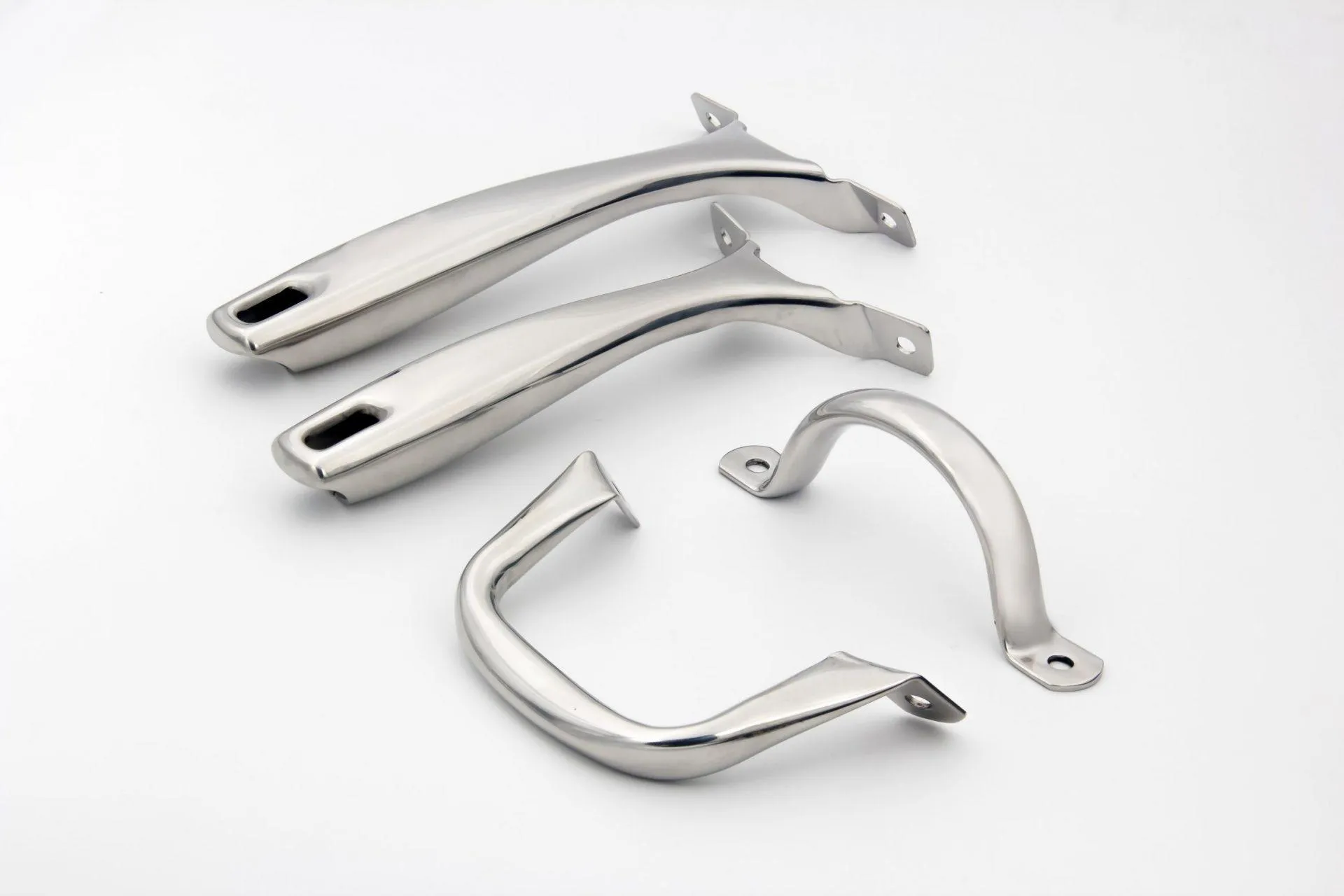
Confirm the ratings for the pan body, handle, lid, knob, and any coating or removable accessory. A metal handle often tolerates more heat than plastic or wood, but its appearance is not proof of a particular rating. Silicone limits also differ, so check rather than assuming a universal temperature.
Calphalon’s cookware care guidance, for example, lists different oven limits by collection and notes that lids can have lower limits than pans.
Stay within the manufacturer’s limit
Set the oven no higher than the lowest-rated component. Include the broiler in this check. A pan described as oven-safe is not automatically broiler-safe because broilers expose cookware to intense direct heat.
Inspect the pan before use. A loose handle, cracked glass lid, warped base, or badly damaged coating is a reason to stop and consult the manufacturer.
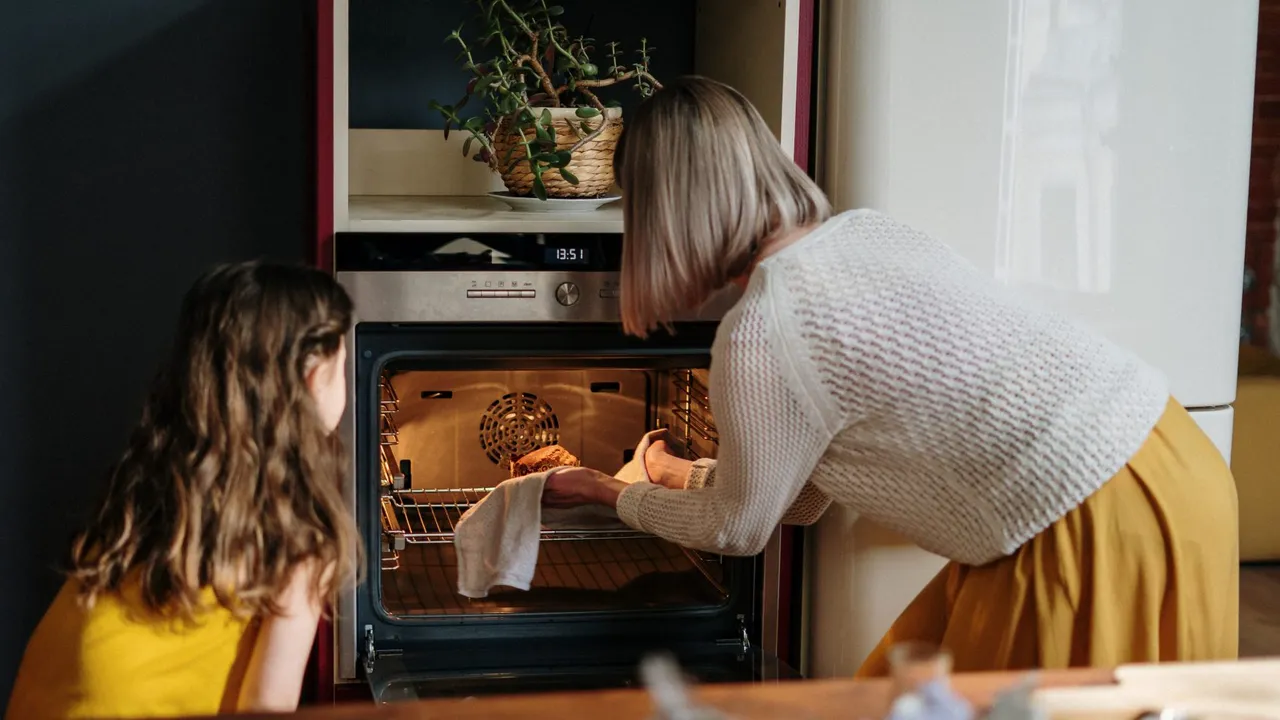
Use dry oven mitts
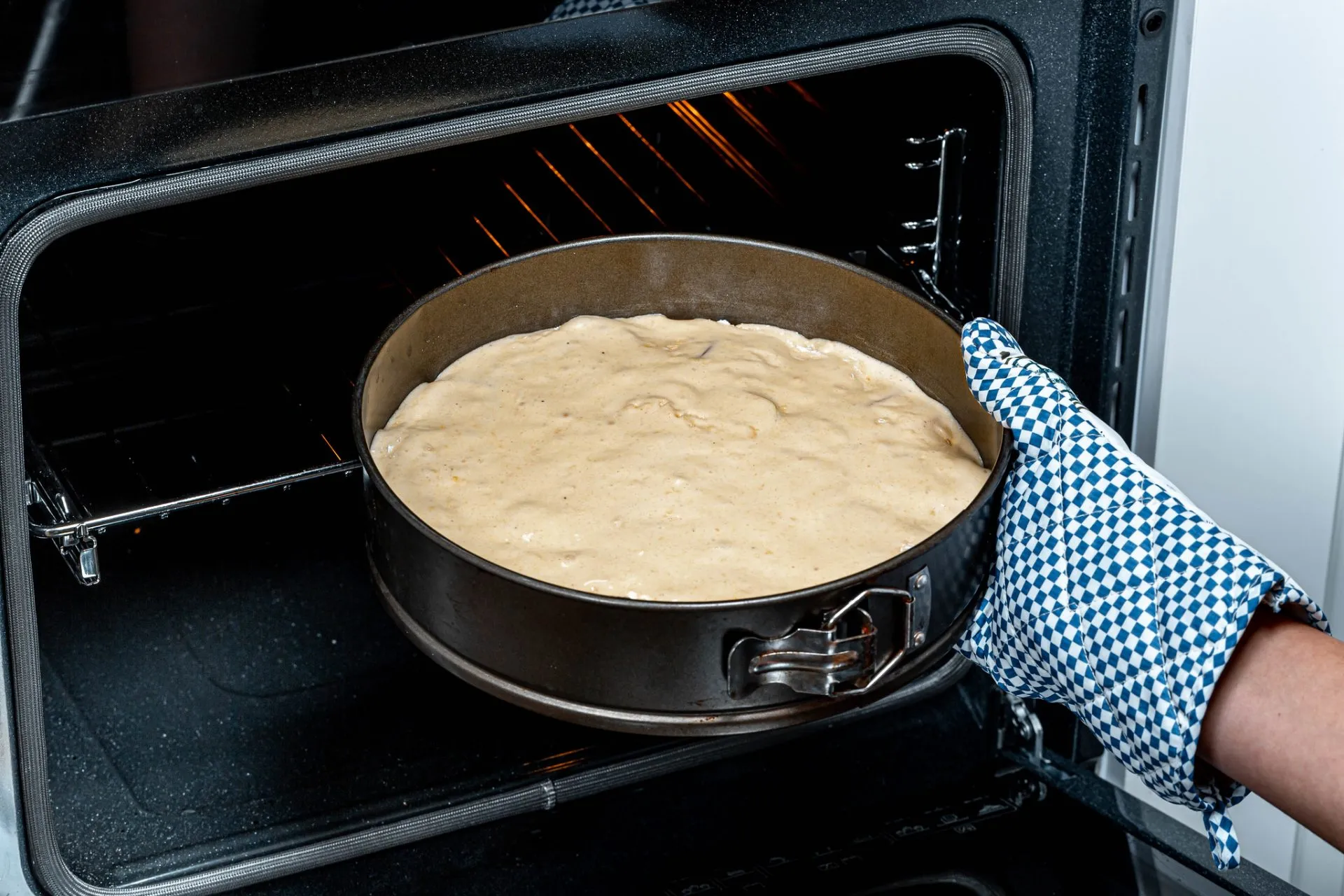
The handle and lid can become as hot as the pan. Use dry, heat-resistant oven mitts or pot holders, keep a secure two-handed grip when the pan is heavy, and place it on a heat-safe surface.
Do not read a “stay cool” handle label as a guarantee that it stays cool in the oven. Treat it as hot after the pan has been in the oven. Leave a mitt over the handle or another visible reminder after removing the pan so nobody grabs it bare-handed.
Preheat only when the recipe calls for it
An empty stainless steel pan does not need to be preheated in the oven merely to make the metal safe or to “close its pores.” Follow the recipe and the cookware maker’s instructions. Avoid prolonged empty heating, especially with coated pans.
For stovetop cooking, temperature control and adding fat at the right time can reduce sticking. Our guide to keeping stainless steel pans from sticking explains that technique in detail.
Why cook with stainless steel in the oven?
Oven-safe stainless steel cookware can move from stovetop to oven without transferring the food to another dish. That makes it useful for searing meat before roasting, finishing a frittata, or reducing a sauce around a baked dish.
Many stainless pans use an aluminum or copper core because stainless steel alone does not conduct heat especially well. A well-made layered pan can spread heat more evenly while retaining a durable, non-reactive cooking surface. See the broader pros and cons of stainless steel cookware before choosing a construction.
For large poultry and roasts, compare the documented pan and rack limits in our stainless steel roasting pan guide. If you rarely need a dedicated roaster, review oven-safe roasting pan alternatives instead.
For rimmed baking and smaller roasting jobs, the scheduled stainless steel baking sheet roundup checks the pan, rack, dimensions, and heat limits separately.
Frequently asked questions
Can a stainless steel pan with a plastic or wooden handle go in the oven?
Only if the manufacturer explicitly says it can and provides a temperature limit. Do not infer safety from the pan body. Plastic and wood components may have much lower heat limits than stainless steel.
Can a stainless steel pan with a silicone handle go in the oven?
Possibly, but silicone is not a guarantee. Check the exact cookware instructions for the rated temperature and whether a removable sleeve must come off first.
Can a glass lid go in the oven?
Only when that exact lid is labeled oven-safe, and only up to its stated limit. Avoid exposing hot glass to sudden temperature changes, and do not use a chipped or cracked lid.
Can stainless steel go under the broiler?
Only if the manufacturer explicitly permits broiler use. Keep the required distance from the heating element and remove any lid or accessory that is not broiler-safe.
Does a pan need an oven-safe symbol?
Not necessarily. Some manufacturers put the rating in the manual or online rather than on the pan. If there is no symbol and you cannot find model-specific instructions, treat the oven safety as unconfirmed.
The bottom line
Stainless steel can go in the oven when the complete piece of cookware is rated for it. Use the manufacturer’s model-specific limit, include the lid and handle in the check, and follow the lowest rating among all components.
If you are shopping for a verified oven-ready set, compare the published limits in our stainless steel cookware recommendations.
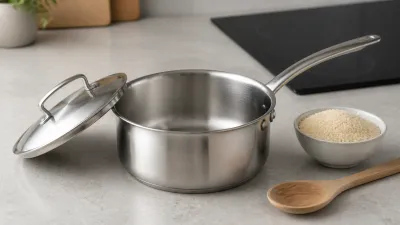
A smaller stainless steel saucepan can also move from stovetop to oven, but only when its handle and lid share a suitable rating.
Related guides
Continue with Use Stainless Steel Cookware on a Grill?, Use Stainless Steel Cookware on a Campfire?, Stainless Steel Cookware for Gas Stoves, Stainless Steel Cookware for Broiler Use.
Continue with Stainless Steel Cookware for Oven Use, Can Stainless Steel Cookware Go on a Gas Stove?, Stainless Steel Cookware for Electric Stoves, Use Stainless Steel for Sous Vide?.
Continue with Stainless Steel Pans Scratch Glass Cooktops?.