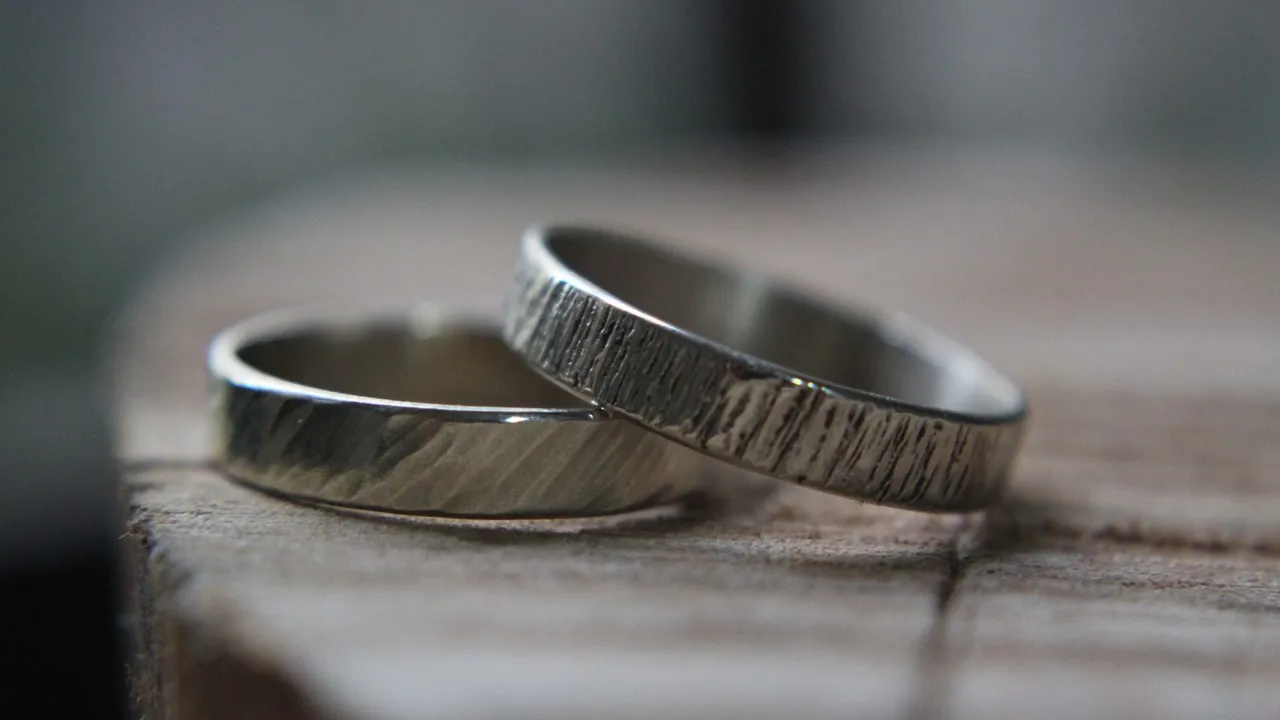
Stainless steel itself rarely turns skin green. When a ring or bracelet sold as stainless leaves a green mark, copper or brass in a base layer, solder, decorative part, or mixed-metal alloy is a more likely cause than the stainless surface.
Why can a ring leave a green mark?
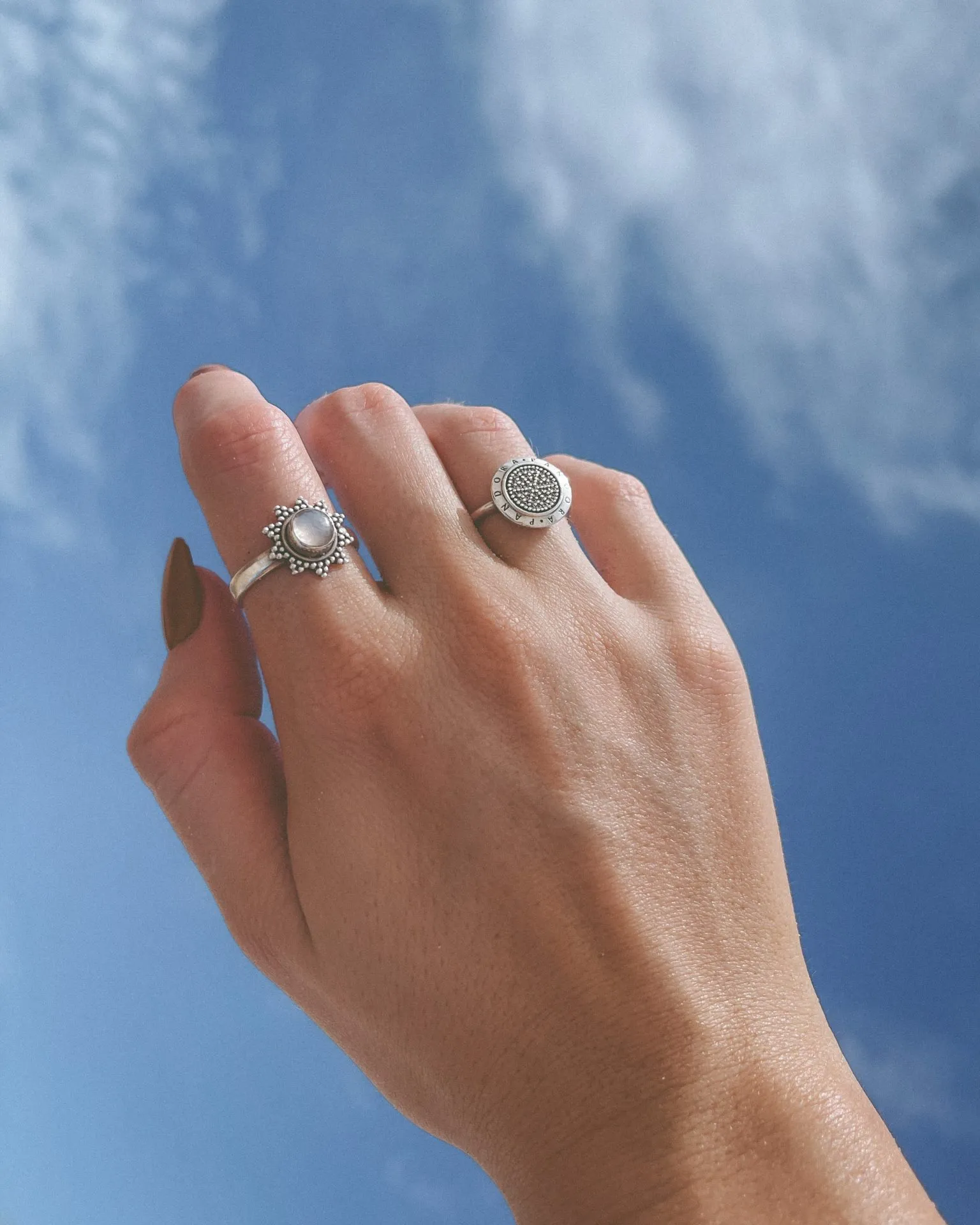
Green corrosion products are characteristic of copper and copper alloys such as brass and bronze. The Canadian Conservation Institute’s metals guidance documents green corrosion on copper alloys and explains that moisture, salts, oils, acids, and polish residue can contribute.
Sweat and lotions can create similar contact conditions on jewelry. The resulting copper compounds can transfer to skin as a green mark. This is especially plausible when plating wears through and exposes a copper-containing base metal.
That conclusion is an inference from the color and the materials involved, not a way to identify an unknown ring with certainty. Ask the seller or a jeweler what every part is made from if the composition matters.
What color is stainless steel corrosion?
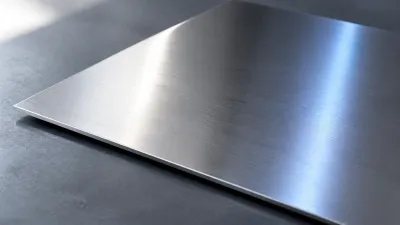
Stainless steel’s normal protective film is not green or black. It is a very thin, transparent, chromium-rich oxide layer. The World Stainless Association’s corrosion guidance explains that this passive film forms naturally and can reform when oxygen reaches a clean surface.
Stainless steel can still corrode when the grade, finish, or environment overwhelms that film. Chlorides, tight crevices, contamination, and damaged surfaces can contribute to pitting or rust-colored staining. A green deposit on “stainless” jewelry points more strongly to another metal in the piece or to material transferred onto it.
For related care questions, read why stainless steel tarnishes and what prolonged water exposure can do.
Is a green mark the same as a nickel allergy?
No. A green stain and allergic contact dermatitis are different signs. Nickel allergy can cause itching, redness, swelling, blisters, or a recurring rash where the metal touches skin. It does not create the green pigment.
The American Academy of Dermatology’s nickel-allergy guidance identifies jewelry as a common source of nickel exposure. If the area itches, swells, blisters, becomes infected, or keeps returning, stop wearing the item and seek a dermatologist’s assessment.
A painless green mark often washes away after the jewelry is removed, but do not use color alone to diagnose the cause. Irritation, broken skin, or persistent discoloration deserves more care than a simple stain.
How can you keep jewelry from turning skin green?
Start with the product rather than a home remedy:
- Ask for the exact alloy, plating, solder, and base-metal composition.
- Choose a responsible maker that documents nickel-release compliance for prolonged skin contact.
- Remove jewelry before swimming, heavy exercise, cleaning, or applying products that the maker says can damage the finish.
- Dry the piece after it gets wet and store it clean and dry.
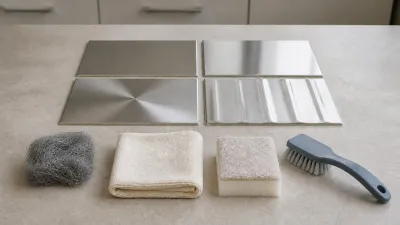
- Clean it only with the method recommended for its metal, plating, stones, and adhesives.
European rules restrict nickel release from jewelry intended for direct and prolonged skin contact. REACH Annex XVII entry 27 provides those release limits. Nickel compliance addresses allergy risk, while the green color usually points to copper-containing parts.
Do not put jewelry in an oven or heat it with a flame. Heat can damage plating, stones, adhesives, coatings, and heat-treated parts. Avoid overnight acid soaks and abrasive pastes unless the item’s manufacturer specifically approves them.
If a plated or stone-set piece has changed color, a jeweler can identify the construction and recommend a compatible cleaning or replating method.
Can clear nail polish prevent green skin?
The American Academy of Dermatology notes that clear nail polish can create a temporary barrier on some nickel-containing items, but it needs frequent reapplication. It does not change the underlying alloy or repair worn plating. A properly made or professionally repaired piece is a more dependable choice for regular wear.
Before buying another stainless piece, read how nickel affects stainless steel jewelry.
Frequently asked questions
Does green skin mean the jewelry is dangerous?
Not by itself. A green surface stain is often transferred copper corrosion. Remove the item and wash the skin gently. Seek medical care for pain, swelling, broken skin, infection, or a persistent rash rather than assuming the color is harmless.
Does stainless steel oxidize green?
The normal stainless steel passive film is transparent and chromium-rich, not green. Green corrosion is more characteristic of copper or copper alloys in a mixed-metal item.
Why did a ring marked stainless steel turn my finger green?
The marking may describe only one part of the ring. A copper-containing base, solder joint, decoration, or worn plating can react with sweat or products on the skin and leave a green mark.
How should I clean a ring that leaves a green mark?
Follow the maker’s directions for the complete piece. Plain metal, plated jewelry, glued settings, and porous stones need different care. If you do not know the construction, ask a jeweler instead of using heat, acid, or abrasive polish.
Sources
- Canadian Conservation Institute, Caring for metal objects (retrieved 2026-07-10)
- World Stainless Association, Corrosion properties (retrieved 2026-07-10)
- American Academy of Dermatology, Nickel allergy: How to avoid exposure and reduce symptoms (retrieved 2026-07-10)
- European Union, REACH Annex XVII entry 27 on nickel release (retrieved 2026-07-10)