No. Bare, uncoated stainless steel does not contain BPA. BPA is used to make certain plastics and epoxy resins, not the steel alloy itself. A stainless product can still have a plastic lid, straw, gasket, paint, or resin lining, so check the whole product if avoiding BPA matters to you.
Where can BPA appear in a stainless steel product?
The stainless steel shell, pan, or bottle body is not a source of BPA. The U.S. Food and Drug Administration’s BPA overview explains that BPA has been used in polycarbonate plastics and epoxy resins, including some protective food-can coatings.
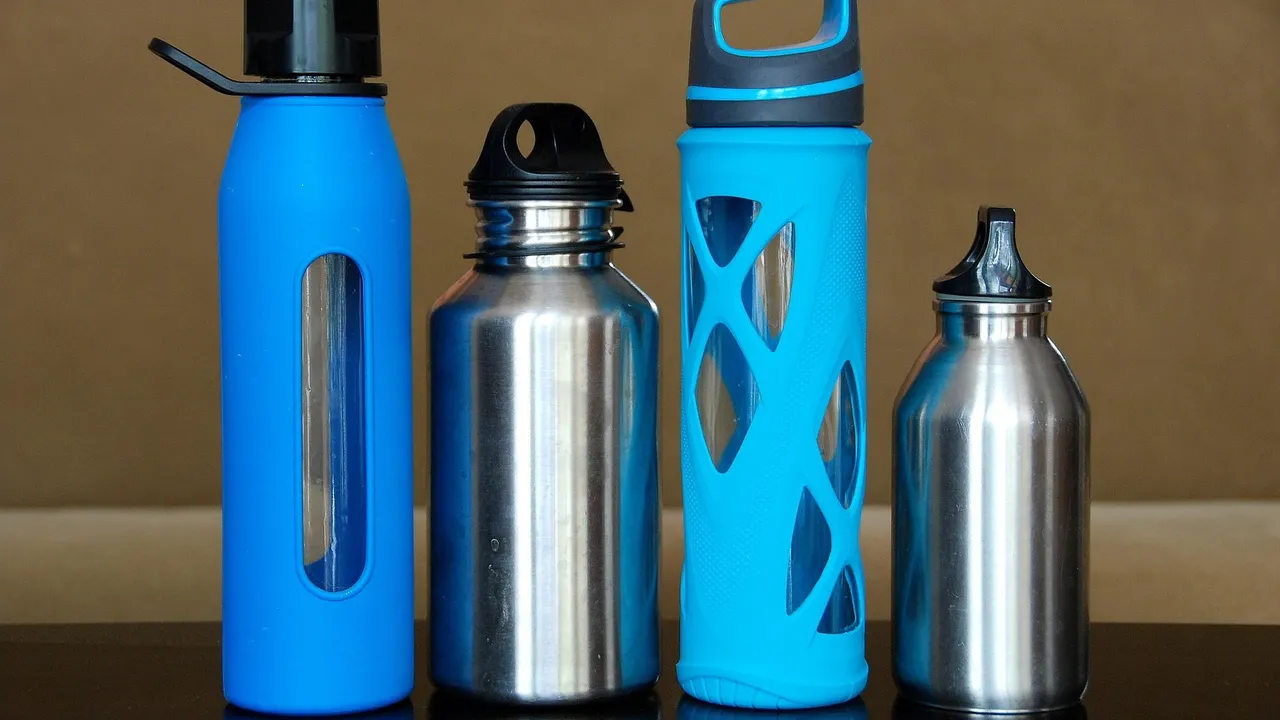
That distinction matters when a product combines materials. A steel bottle may have a plastic lid and straw. A metal container may have a resin coating. A travel mug may use plastic seals. The label or manufacturer’s material disclosure should say whether those non-steel parts are BPA-free.
If you want a bottle for sparkling water, check both the materials and whether the closure is rated for pressure. Our guide to carbonated drinks in stainless steel bottles covers that separate question.
What does BPA-free tell you?
BPA-free means the manufacturer says the product does not use BPA. It does not describe every other substance in the product, and it does not prove that every BPA-free plastic has the same composition or intended use.
Regulators do not describe BPA risk in identical terms. The FDA says its current review supports the safety of BPA at the levels occurring in foods from approved U.S. uses. In 2023, the European Food Safety Authority concluded that dietary BPA exposure was a health concern and lowered its tolerable daily intake after evaluating immune-system evidence. In 2024, the European Union adopted Regulation (EU) 2024/3190, which broadly restricts BPA in covered food-contact materials, with exemptions and transition periods.
Those different assessments are a reason to avoid sweeping claims. A BPA-free label answers one material question. It does not establish that all plastics are dangerous, that steel is risk-free in every use, or that one material is right for every person.
Does stainless steel have other food-contact concerns?
Stainless steel has different considerations from BPA. Depending on the grade, it may contain nickel and chromium. A primary cooking study found that some nickel and chromium migrated into acidic tomato sauce, with the amount affected by the steel, cooking time, and prior use of the cookware. The researchers tested specific stainless steels and cooking conditions, so the results should not be turned into a claim that every steel product releases the same amount.
This migration is not BPA, and it does not make stainless steel a plastic. People with a known nickel allergy may need more specific guidance when choosing cookware or jewelry. Read our separate guide to food-safe stainless steel containers for storage and handling details.
How should you choose a BPA-free bottle or container?
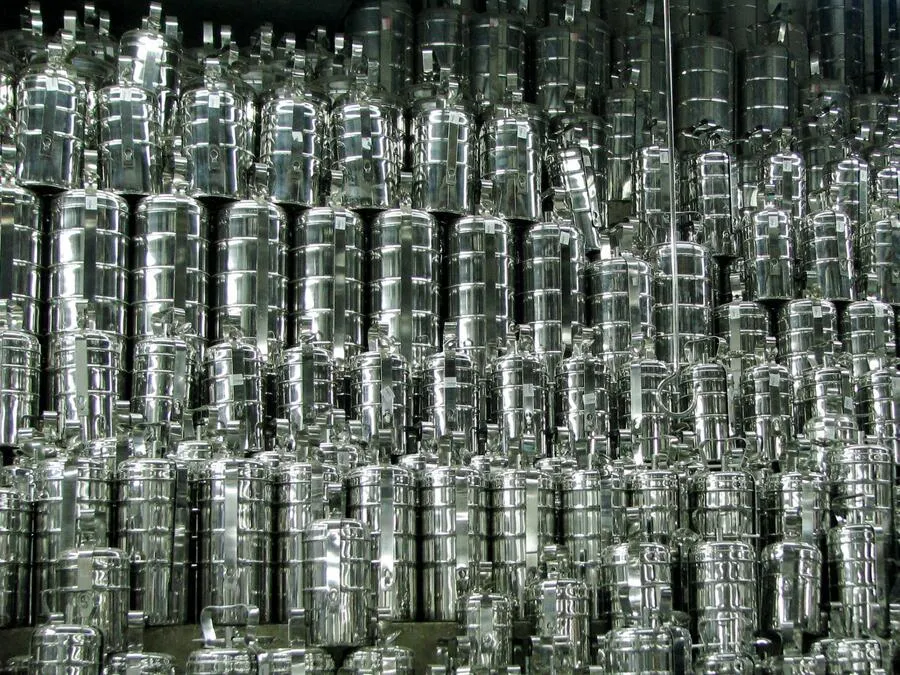
Start with the product’s intended use rather than the shell material alone:
- Check whether the complete product, including its lid, liner, gasket, and straw, is labeled BPA-free.
- Follow the manufacturer’s temperature, cleaning, and beverage instructions.
- Replace damaged seals, peeling coatings, and cracked plastic parts.
- Choose a size and closure you can clean fully.
If you are comparing current options, see our recommended stainless steel water bottles. A well-made reusable bottle can be durable and easy to clean, but its lid design and care instructions still matter.
Frequently asked questions
Is every grade of stainless steel BPA-free?
The bare steel is BPA-free regardless of grade because BPA is not part of the steel alloy. The complete item may include a plastic component or resin coating, so the manufacturer’s disclosure still matters.
Can a stainless steel bottle have plastic in it?
Yes. Lids, straws, gaskets, handles, and protective coatings may be plastic or resin even when the main vessel is stainless steel. Check each food-contact component instead of assuming the steel body describes the whole product.
Does BPA-free mean a product is free of every bisphenol?
Not necessarily. BPA-free is a claim about BPA. If you want information about other bisphenols or the complete formulation, look for a detailed manufacturer declaration or applicable food-contact compliance documentation.
Does stainless steel leach BPA into food?
No. Bare stainless steel cannot leach BPA because it contains no BPA. Some stainless cookware can release small amounts of alloying metals under certain conditions, but that is a separate food-contact question rather than BPA exposure.
Sources
- U.S. Food and Drug Administration, Bisphenol A (BPA): Use in Food Contact Application (retrieved 2026-07-10)
- European Food Safety Authority, Bisphenol A in food is a health risk (retrieved 2026-07-10)
- European Union, Regulation (EU) 2024/3190 (retrieved 2026-07-10)
- Kamerud, Hobbie, and Anderson, Stainless Steel Leaches Nickel and Chromium into Foods During Cooking (retrieved 2026-07-10)