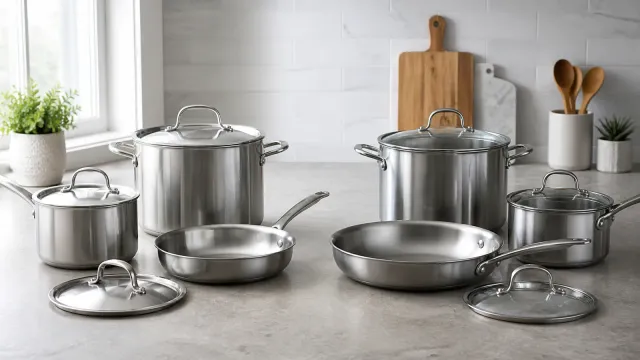
Cuisinart vs Calphalon Stainless Cookware
Cuisinart wins the default comparison on current set availability and accessory coverage. Compare exact stainless lines by cladding, lids, care, and limits.
60 posts with this tag
Cuisinart wins the default comparison on current set availability and accessory coverage. Compare exact stainless lines by cladding, lids, care, and limits.
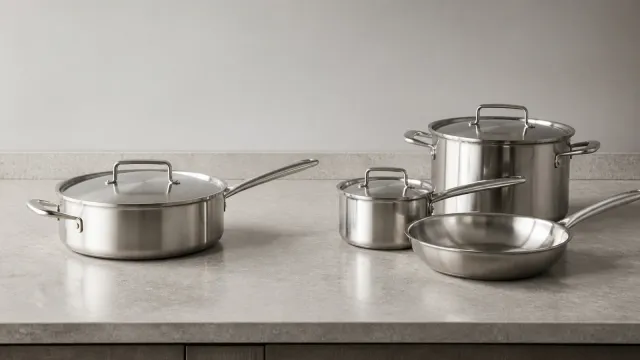
Compare Demeyere Essential 5 and Hestan ProBond by construction, handles, vessel mix, care, induction, oven limits, warranty, and current maker evidence.
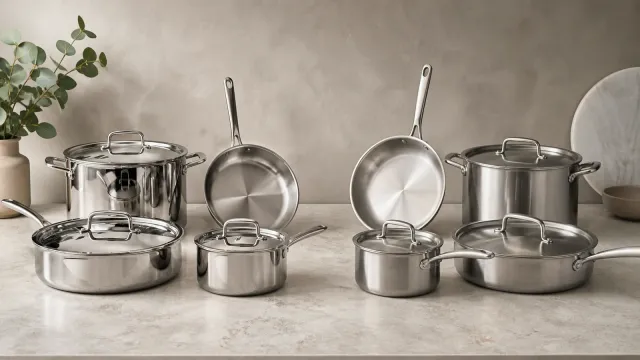
Choose Le Creuset for dishwasher-safe care and a 9-quart stockpot. Choose All-Clad D3 for fully bonded tri-ply construction and a 600°F oven limit on this set.
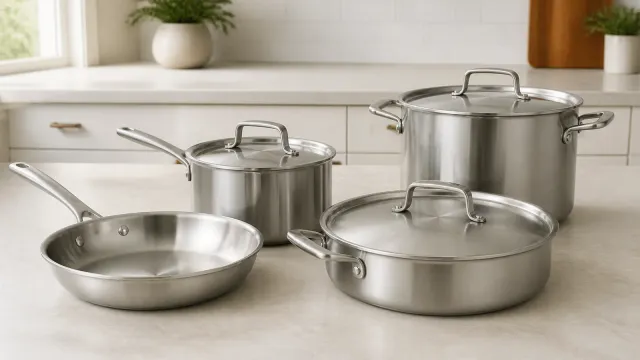
All-Clad D3 is our top 3-ply stainless cookware set for most kitchens. Compare full cladding, vessel mix, cores, induction, oven limits, care, and warranties.
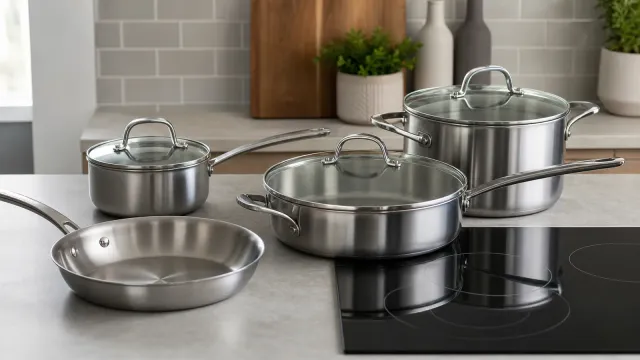
Compare cookware sets checked under a 300-dollar cap by vessel mix, construction, food-contact surfaces, lids, oven limits, care, availability, and warranty.
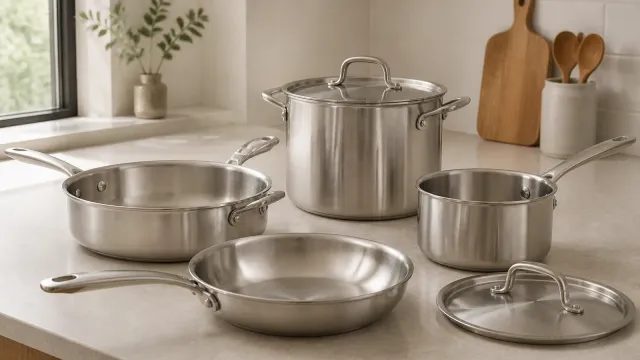
The Cuisinart MultiClad Pro leads this meal-prep roundup with an 8-quart stockpot and steamer. Compare batch size, vessel mix, lids, storage, and care.
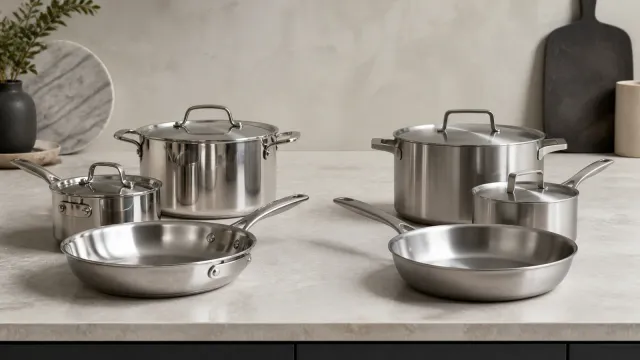
Compare Made In Stainless Clad and Hestan ProBond by construction, pan sizes, handles, care, heat limits, warranties, origin evidence, and current availability.
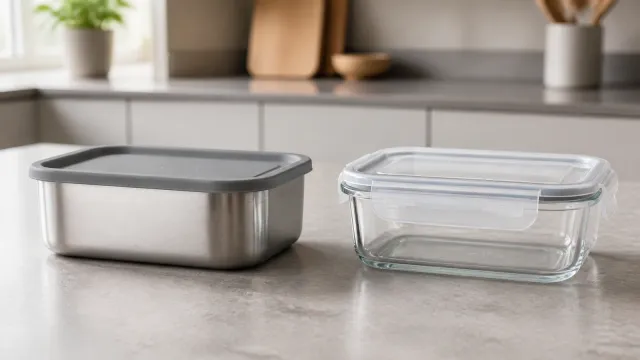
Compare stainless steel and glass food storage containers by visibility, weight, breakage, lids, appliance limits, food contact, care, and end-of-life.
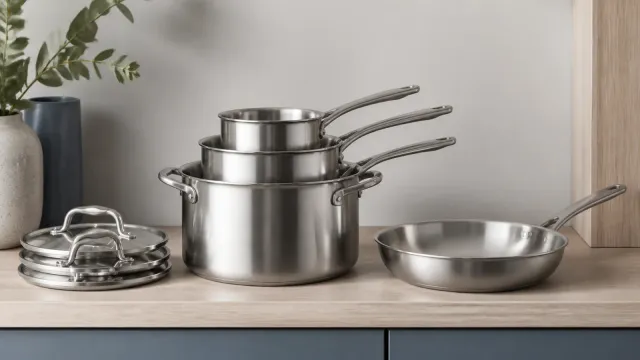
Compare compact stainless cookware sets by nesting, storage footprint, vessel coverage, handle clearance, food-contact layers, care, and dated product evidence.
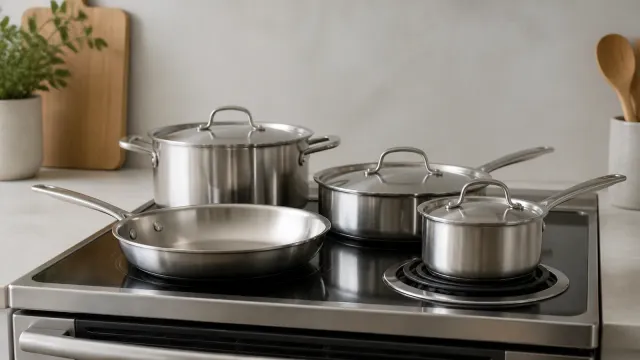
Compare stainless steel cookware for exposed-coil and radiant electric stoves by base fit, construction, size, components, oven limits, and maker care guidance.
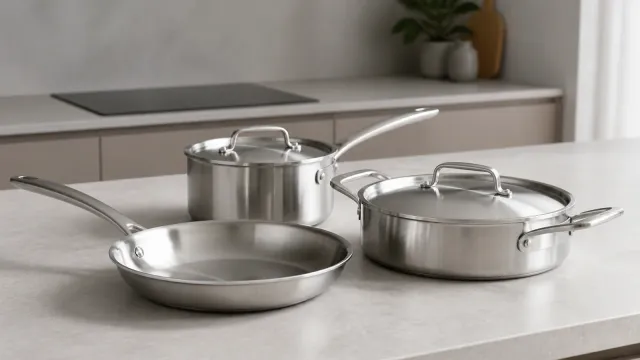
Choose fully clad stainless steel cookware by documented body layers, vessel coverage, cores, handles, cooktop fit, oven limits, and maker care guidance.