
Heritage Steel vs All-Clad: Which Cookware Is Better?
Choose Heritage Steel Eater for a saucier, 4-quart sauté pan, five-ply body, and 800°F limit. Choose All-Clad D3 for simpler tri-ply construction.
Page 4 of 6 - 60 posts with this tag
Choose Heritage Steel Eater for a saucier, 4-quart sauté pan, five-ply body, and 800°F limit. Choose All-Clad D3 for simpler tri-ply construction.

Hestan vs All-Clad: compare ProBond's flush rivets and dishwasher care with D3's smaller skillets and cookware made in the USA with global components.
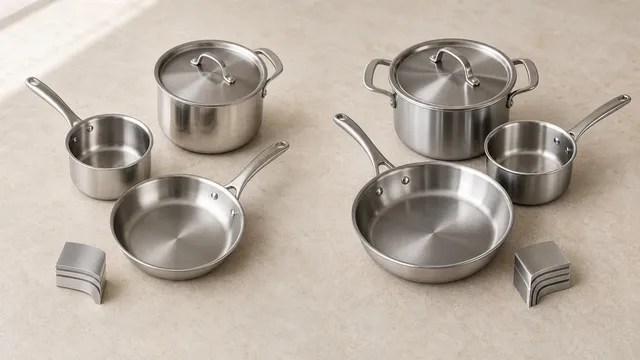
All-Clad D3 is the better buy for most cooks because it responds faster and costs less. D5 gives steadier heat and larger handles. Both work on induction.
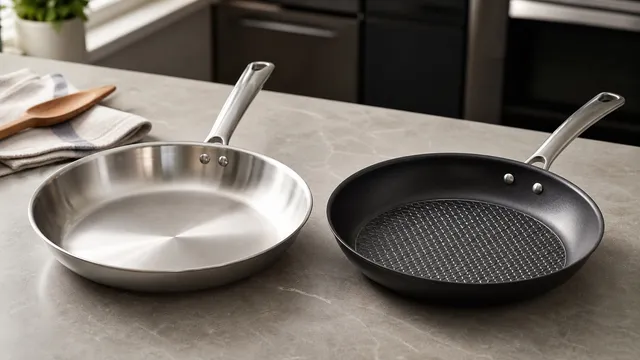
Choose All-Clad D3 for a durable bare stainless cooking surface. Choose HexClad only if easier release matters more than avoiding a coated hybrid surface.
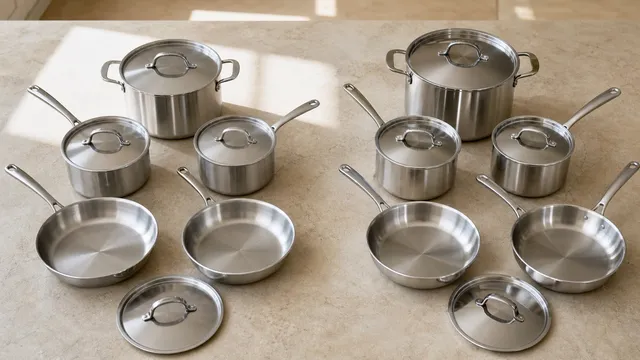
Tramontina Tri-Ply Clad is the value pick when its offer costs less; All-Clad D3 adds steel lids, oven headroom, and U.S. manufacture with global components.
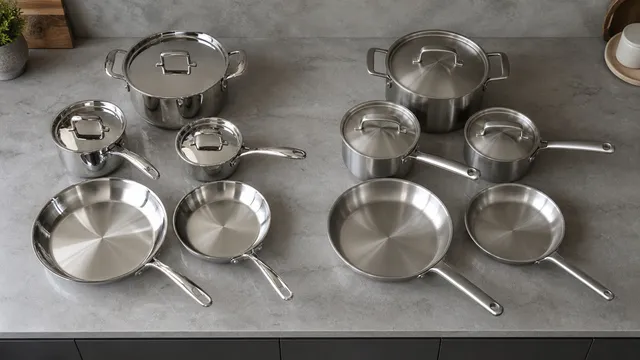
All-Clad D3 is our default over Viking 3-Ply. Compare exact 10-piece stainless cookware sets by construction, handles, vessel mix, origin, and overall value.

Choose a stockpot for boiling, pasta, and large liquid batches. Choose a Dutch oven for browning, braising, baking, and steady oven heat.
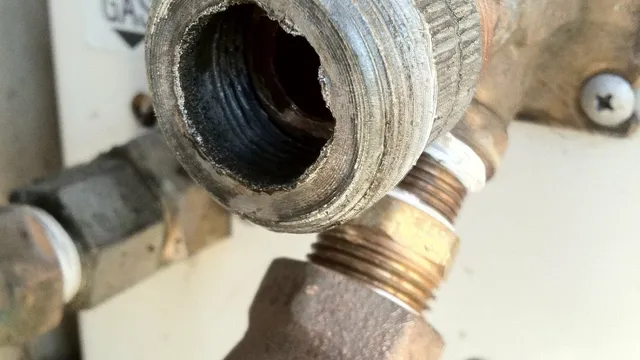
18/0 stainless steel is magnetic grade 430 with almost no nickel. 18/10 adds about 10% nickel and resists rust better. Compare them for flatware.
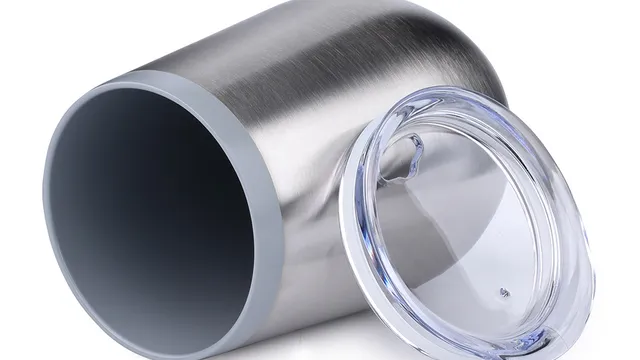
Three-ply cookware is usually lighter and more responsive. Five-ply may feel steadier, but layer count alone does not prove better heat distribution.
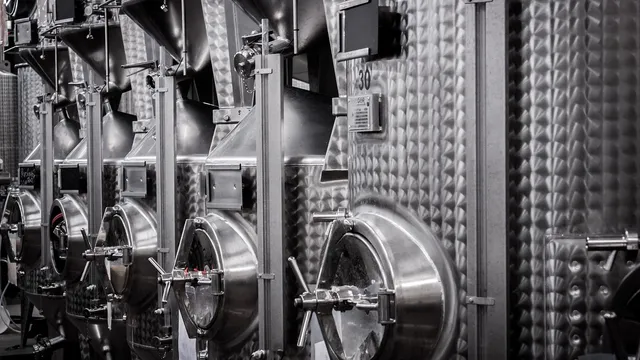
Compare 304 and 316 stainless steel by corrosion resistance, cost, magnetism, food use, and the environments where each grade makes sense.

Compare 304 and 430 stainless steel for corrosion resistance, magnetism, food contact, induction cookware, appliances, and flatware.