
304 vs 316 Stainless Steel: Which Grade Is Better?
Compare 304 and 316 stainless steel by corrosion resistance, cost, magnetism, food use, and the environments where each grade makes sense.
Page 2 of 2 - 20 posts with this tag
Compare 304 and 316 stainless steel by corrosion resistance, cost, magnetism, food use, and the environments where each grade makes sense.

Compare 304 and 430 stainless steel for corrosion resistance, magnetism, food contact, induction cookware, appliances, and flatware.
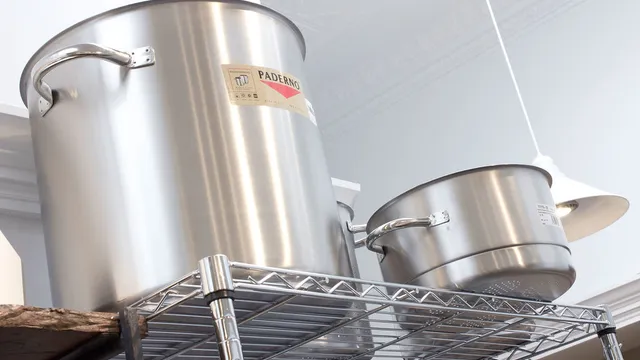
HOMICHEF's Whole-Clad set is our best documented nickel-free stainless cookware pick. Compare three available options and the alloy caveats.

Nickel can migrate from some stainless cookware. See what studies measured, which cooking conditions matter, and practical choices for nickel sensitivity.

Food-grade stainless steel is suitable for a stated food-contact use. Learn why grade, finish, fabrication, and use conditions all matter.

Stainless steel bends with the right grade, radius, and tooling. Learn how thickness, work hardening, and springback change a successful bend.
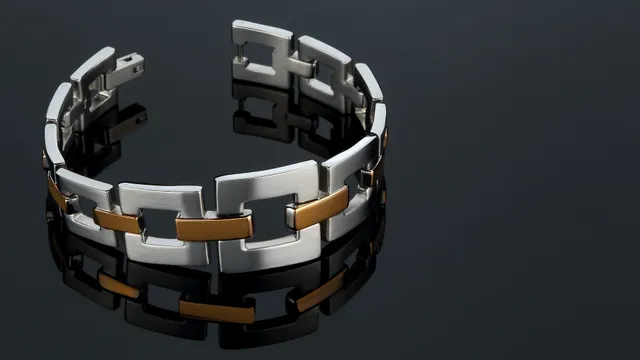
Stainless steel jewelry is not automatically hypoallergenic. Grades 304 and 316L contain nickel, so sensitive wearers should check nickel-release claims.

Metal detectors can detect stainless steel. Whether an item triggers an alarm depends on its alloy, size, shape, orientation, detector type, and settings.

Some stainless steel is magnetic. Ferritic grades like 430 and 409 are; austenitic 304 and 316 usually aren't. A grade-by-grade guide with a magnet test.