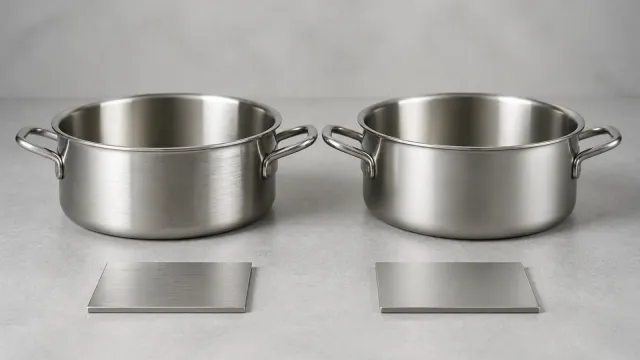
201 vs 304 Stainless Steel for Cookware
Compare 201 and 304 stainless steel for cookware by composition, corrosion, forming, magnetism, food-contact evidence, and exact product documentation.
18 posts with this tag
Compare 201 and 304 stainless steel for cookware by composition, corrosion, forming, magnetism, food-contact evidence, and exact product documentation.
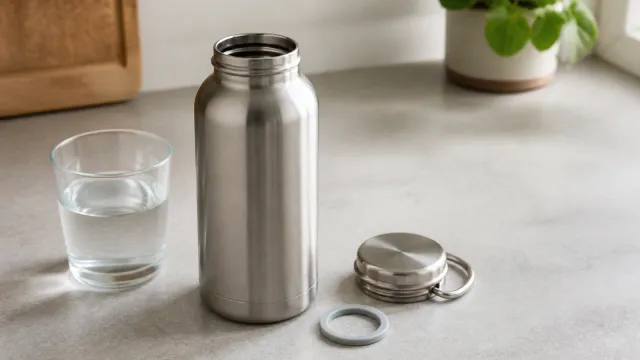
Stainless steel bottles can release trace nickel in some tests. Learn how alloy, drink, time, temperature, surface damage, and sensitivity change the question.
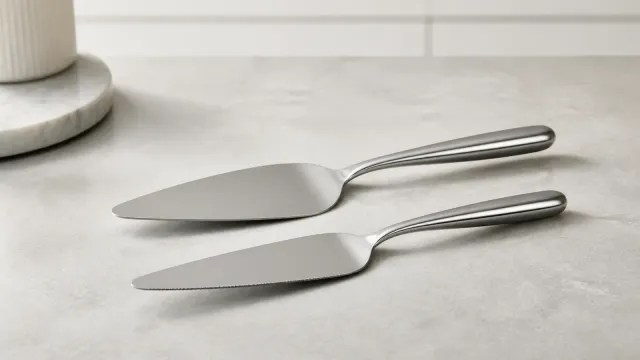
Compare stainless steel cake and pie servers by food-contact material, edge profile, handle construction, size, care, set contents, and dated product evidence.
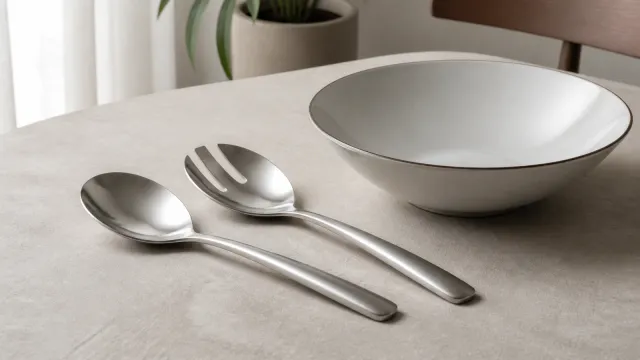
Choose salad servers by spoon and fork geometry, food-contact steel, length, finish, and care. These Oneida, WMF, Rösle, and Mikasa picks use current evidence.
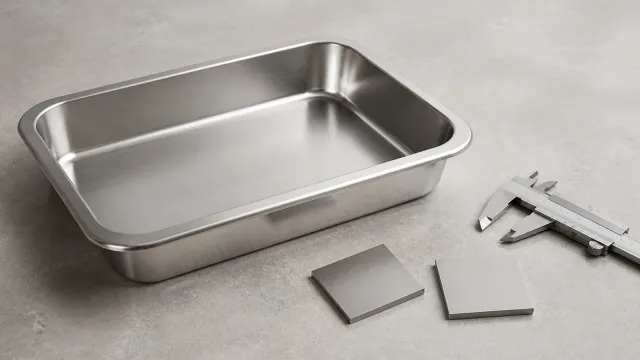
201 stainless steel can suit food-contact uses, but the grade alone is not proof. Learn how corrosion, finish, fabrication, and documentation change the answer.
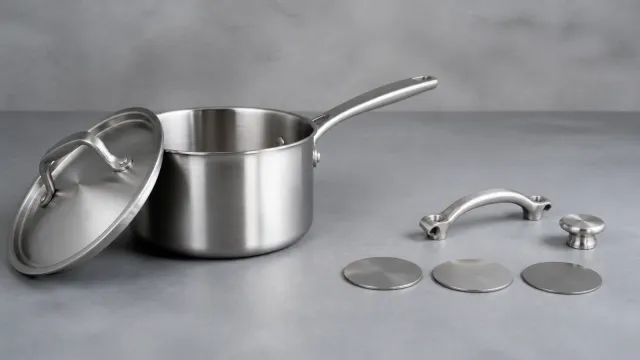
Common cookware stainless grades do not specify lead, but specialty alloys, contamination, and separate components matter. Learn what testing can show.
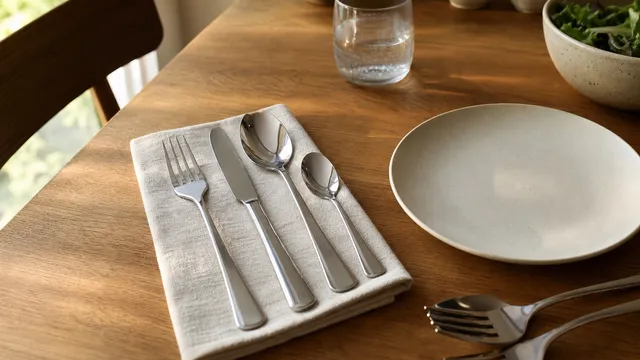
Mikasa Satin Loft is the best stainless steel flatware set for most tables. Compare it with polished, lighter, and four-place-setting alternatives.
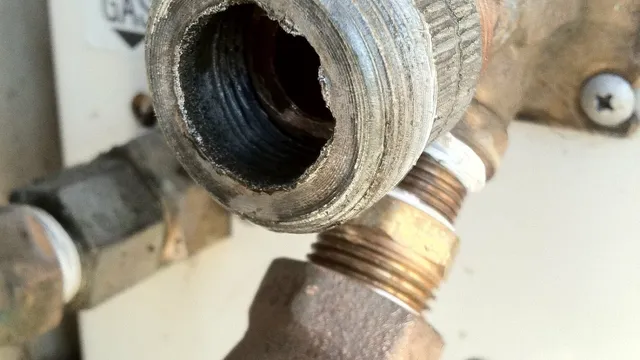
18/0 stainless steel is magnetic grade 430 with almost no nickel. 18/10 adds about 10% nickel and resists rust better. Compare them for flatware.
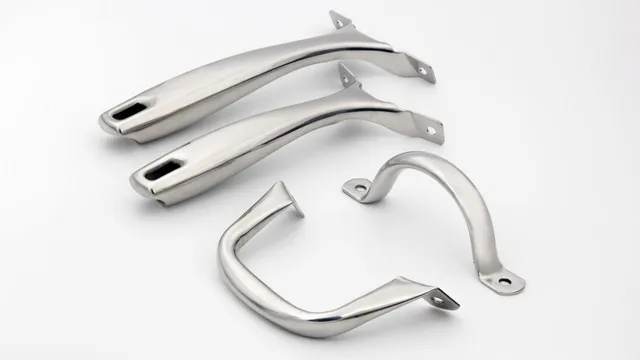
Learn what 18/10 and 18/8 mean, how they affect corrosion and finish, and which cookware construction details matter more when you buy.
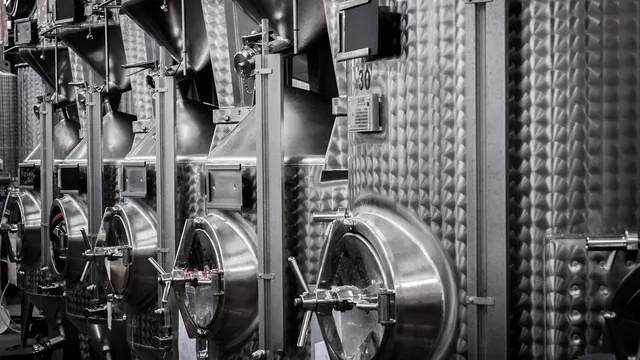
Compare 304 and 316 stainless steel by corrosion resistance, cost, magnetism, food use, and the environments where each grade makes sense.

Compare 304 and 430 stainless steel for corrosion resistance, magnetism, food contact, induction cookware, appliances, and flatware.