A clean, intact stainless cup designed for wine should not be assumed to add a metallic flavor during normal serving. The same wine can still taste different from steel because the vessel changes aroma access, temperature, visibility, rim contact, and expectations. Detergent, a dirty gasket, coating damage, or another residue can add an off-odor too.
The useful question is not whether “stainless steel” has zero effect under every condition. It is whether the complete vessel is intended for that beverage, clean and undamaged, used within its temperature and storage limits, and shaped for the tasting experience you want.
A four-part check before you pour
| Check | What to confirm | Why it matters |
|---|---|---|
| Vessel | Made for beverages or wine, intact food-contact surface | Decorative metalware and damaged coatings may not share the same use |
| Residue | Cup, lid, threads, and gasket are clean and odor-free | Detergent, old wine, and trapped water can alter aroma |
| Temperature | Wine and vessel are near the intended serving temperature | Insulation, pre-chilling, and hand contact affect sensory perception |
| Shape | Opening, bowl, rim, and lid suit the occasion | Aroma concentration and rim contact change the experience |
This framework is more reliable than a blanket promise that all steel vessels are inert or that every perceived difference is chemical.
Is stainless steel drinkware suitable for wine?
An intact reusable cup sold for wine or compatible beverages is generally suitable when used as directed. The FDA Food Code describes food-contact materials in terms of safety, corrosion resistance, cleanability, durability, and not imparting colors, odors, or tastes under normal use. It is a model code for retail food service, not a certification of every consumer tumbler, but its performance criteria are useful.
Check the actual product rather than relying on “food grade” as an unsupported slogan. The body, interior coating, seam, solder, lid, gasket, and straw can be different materials. Avoid unidentified decorative goblets. Stop using a vessel with deep pitting, a peeling interior, a cracked seam, or an unexplained exposed layer.
Stainless steel’s passive surface supports corrosion resistance, but grade, fabrication, finish, contamination, temperature, chemistry, and contact time still matter. World Stainless describes those corrosion variables. A suitable serving cup is not automatically approved for long storage, heating, freezing, or pressurized contents.
Why the same wine can taste different
Taste during drinking is a combined sensory experience. A vessel can change what reaches your nose, lips, eyes, and hands without proving that it chemically altered the liquid.
Aroma access
Wine-glass shape influences the space above the liquid and how aroma reaches the nose. Peer-reviewed sensory research has found that glass shape can change perceived wine aroma. A wide steel tumbler, narrow mug, lidded cup, and conventional wine glass do not present aroma in the same way.
Remove the lid for comparison when the product permits open use. A small sip opening can suppress aroma and direct the wine differently across the mouth. That can make flavors seem muted or shifted.
Temperature
A vacuum-insulated cup may slow temperature change. A single-wall metal cup can respond differently to room temperature and hand contact. Pre-chilling the vessel can cool the first pour. None of those outcomes is universally better because serving preference varies by wine and context.
Compare vessels at the same starting temperature and volume. Do not infer a material flavor when one sample is warmer or colder.
Rim contact and mouthfeel
Rim thickness, edge geometry, surface texture, and material change lip contact and flow. A study of identically shaped spoons found sensory differences among metals, with stainless rated less metallic than zinc or copper in that experiment. The study does not prove that a stainless wine cup leaches flavor. It supports treating direct contact as one sensory variable.
Appearance and expectation
Opaque steel hides color, clarity, bubbles, and movement. Those visual cues can influence expectation and attention. This makes steel practical where glass breakage is a concern but less informative for deliberate visual assessment.
Residue is often the first thing to investigate
Smell the empty cup before pouring. Then smell every removable seal, lid, straw, and thread. A clean steel body can seem “metallic” when an old gasket holds detergent, coffee, flavored drink, or damp-storage odor.
Follow the manufacturer’s cleaning instructions. Wash approved parts with warm water and mild dish soap, using a nonabrasive sponge or brush permitted by the maker. Use an approved brush to reach threads and seals, rinse fully, and dry components before reassembly. Dishwasher compatibility is product-specific. So are vinegar, cleaning tablets, bleach, and abrasive powder.
If odor remains after approved cleaning, compare the wine in a clean glass at the same temperature. If the empty vessel still smells, contact the manufacturer. Taste and smell cannot identify a migrated substance or establish safety.
What winery tanks do and do not prove
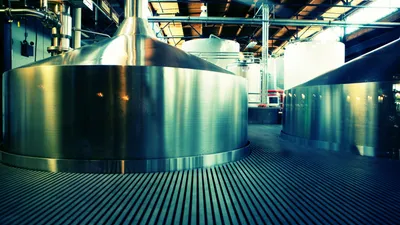
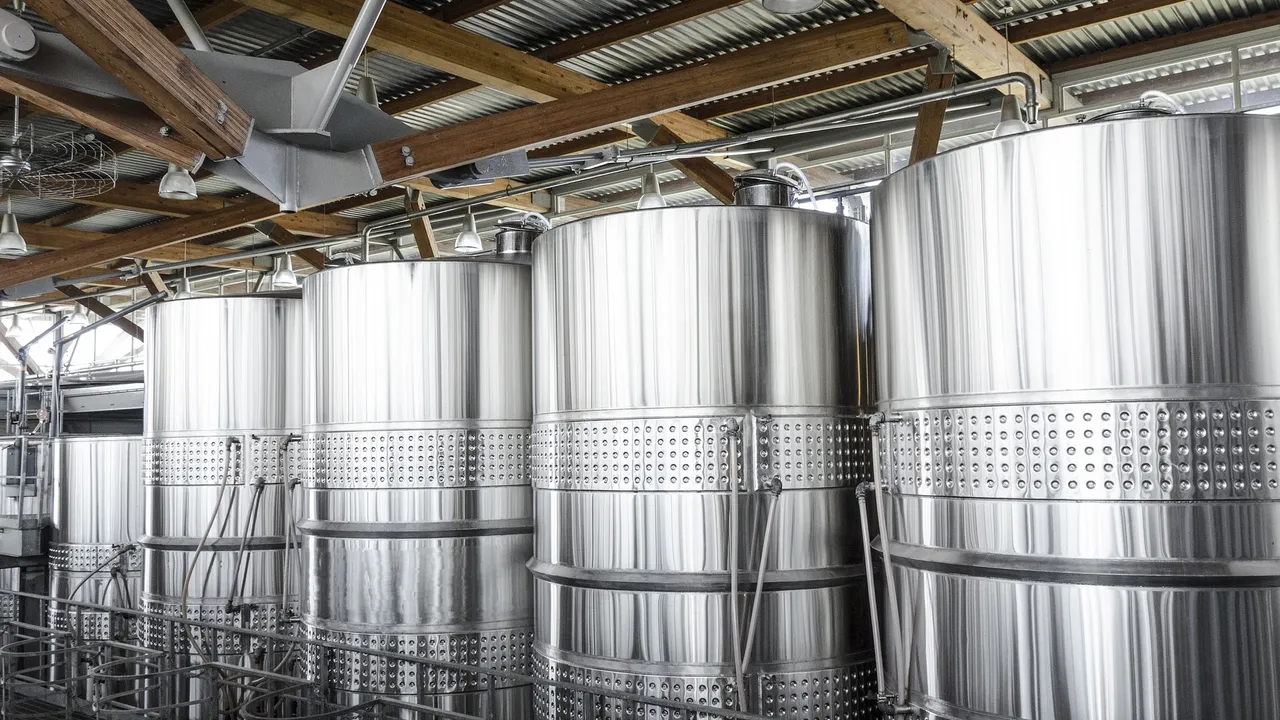
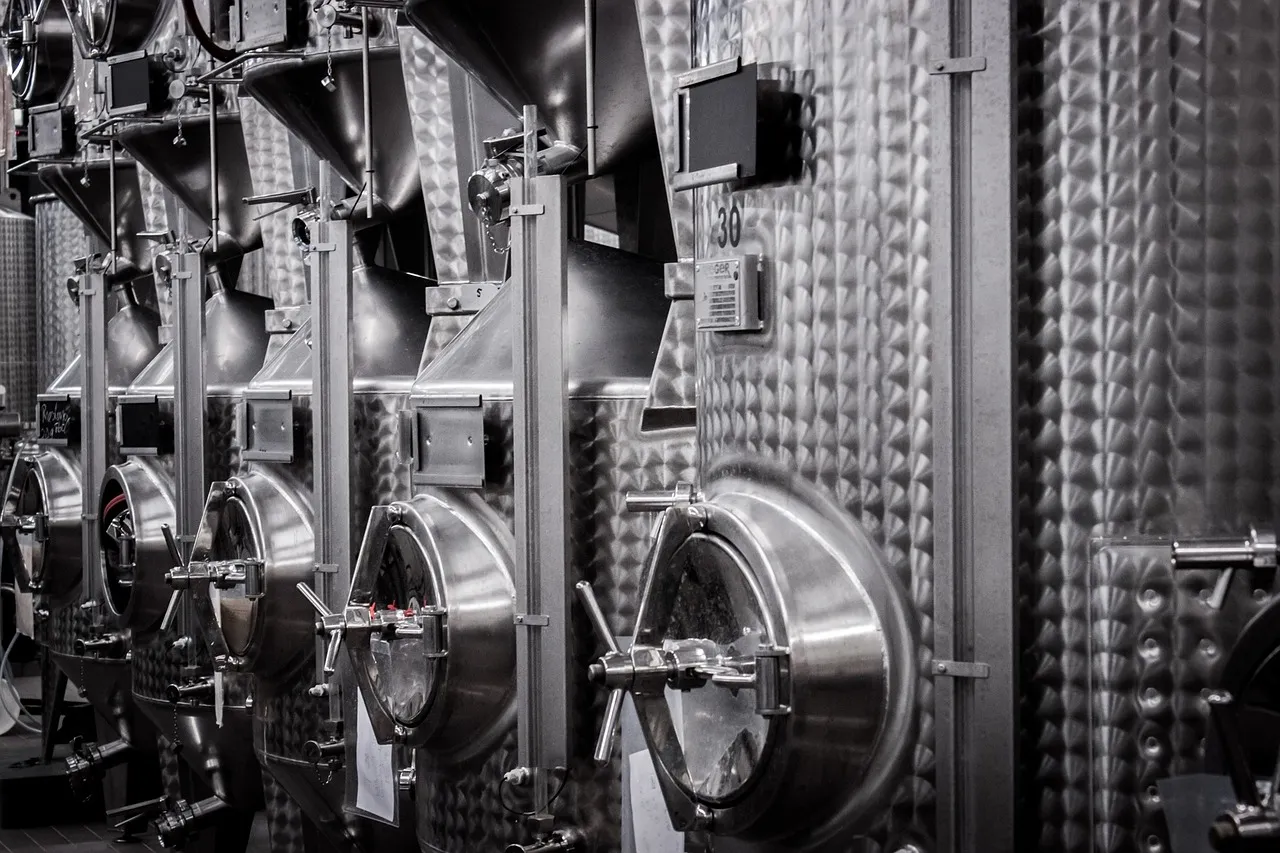
Wineries use purpose-built stainless tanks because they can be durable, cleanable, and controllable and because they do not intentionally contribute oak character. Tank choice also supports temperature control and particular fermentation or storage goals.
Commercial tanks are engineered systems with specified alloys, welds, finishes, valves, cleaning procedures, and operating conditions. Penn State Extension’s winery-equipment sanitation review discusses cleaning stainless tanks and fittings and notes that stainless can stain, discolor, or collect soils in service.
A winery tank supports the proposition that properly selected and maintained stainless is useful in winemaking. It does not prove that every cup, flask, coating, solder joint, or lid is suitable for every wine, temperature, and contact time.
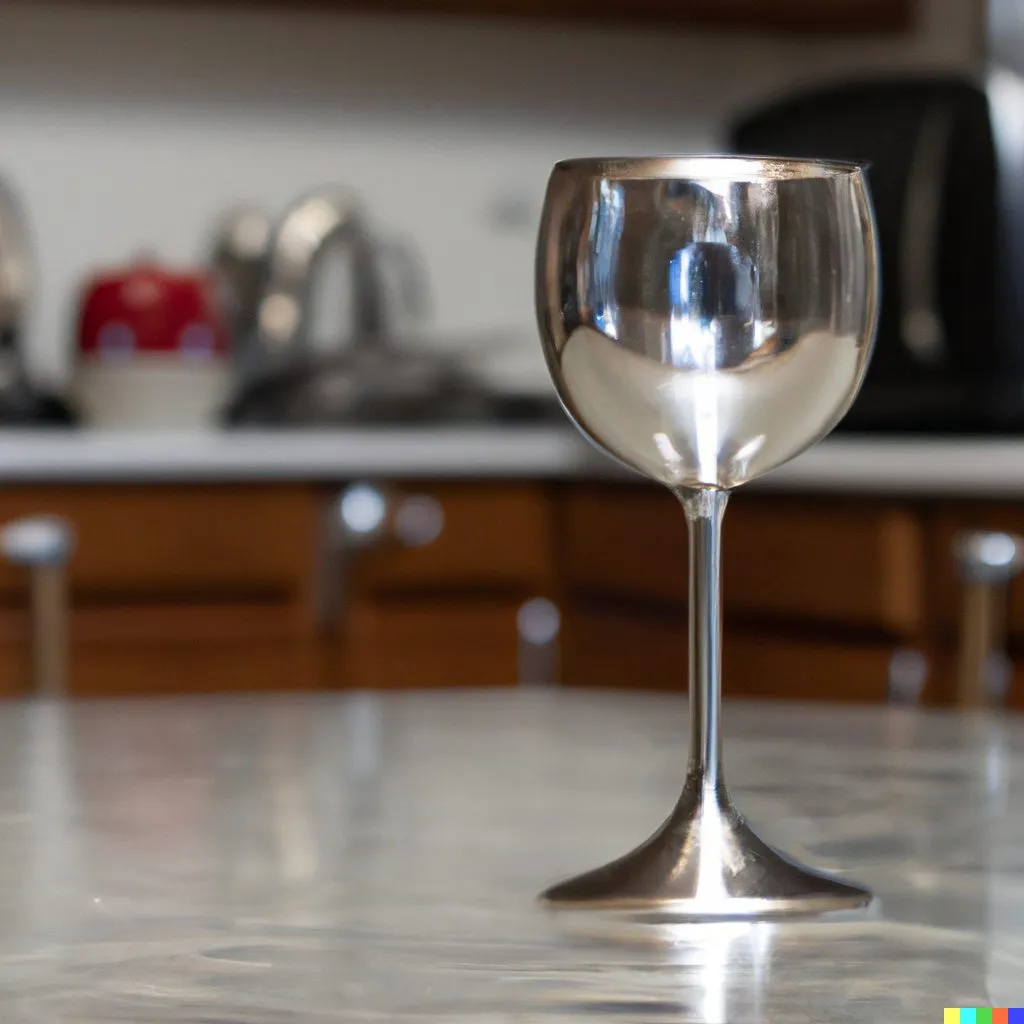
When a steel wine cup makes sense
Stainless drinkware can be practical at a picnic, campsite, pool area, or boat where broken glass is a concern. Insulated models can slow warming or cooling. A lid can reduce splashes while moving.
Those advantages involve tradeoffs. Opacity removes visual cues, insulation can hold a wine away from your preferred temperature, and a lid can limit aroma. A casual outdoor serving and a structured tasting have different priorities.
Do not make broad sustainability or lifetime claims without evidence for the exact product and its use. Reuse frequency, manufacturing, transport, cleaning, damage, and eventual disposal all matter.
A fair side-by-side comparison
- Clean and air-dry both vessels without scented residue.
- Use the same bottle and pour equal amounts.
- Keep starting temperature and tasting time as similar as possible.
- Remove the steel cup’s lid if open use is permitted.
- Alternate tasting order or ask someone else to randomize it.
- Record aroma, temperature, rim feel, and flavor separately.
This can reveal which vessel you prefer. It is not a migration test and cannot establish chemical safety. The most useful comparison names the variables instead of declaring that the metal “ruined” or “could not affect” the wine.
What to do if wine tastes metallic
First test the empty, clean vessel by smell. Inspect the interior under good light for pitting, peeling, damaged seams, or residue. Clean the body and accessories by the maker’s directions, then rinse and dry completely.
Next compare the same wine from a clean glass at the same temperature. If the note appears in both, investigate the wine, closure, storage, or serving equipment. If it appears only in the steel cup and persists after approved cleaning, stop using the cup and contact its maker.
Do not use a home tasting as a safety assay. Do not scrub aggressively, apply an acid, or mix cleaners in an attempt to remove an unexplained taste. Damage and residue can worsen the problem.
How long can wine stay in stainless drinkware?
Serving compatibility does not establish indefinite storage. Product instructions may distinguish a stemless cup from a sealed flask or vacuum bottle. Wine acidity, alcohol, temperature, coating, closures, and cleaning access all matter.
Empty and rinse the cup soon after serving unless the manufacturer expressly approves longer storage. Never assume a vessel suitable for water has been evaluated for wine, and never use an unidentified decorative container for storage.
Sparkling wine and pressure
Pouring sparkling wine into an open cup is different from sealing it. Do not close carbonated wine in an ordinary flask, growler, bottle, or tumbler. Confirm that the complete body and closure are pressure-rated for carbonation, obey fill and temperature limits, and inspect seals.
Our guide to carbonated drinks in stainless steel bottles explains why the closure is part of the safety decision.
Can wine stain stainless steel?
Suitable, intact stainless drinkware should be cleanable after normal serving, but residue and discoloration can occur. Pigment can remain in scratches, seals, threads, or surface film. Mineral deposits, chlorides, harsh cleaners, and contamination can create marks unrelated to wine pigment.
Start with the approved routine wash. If a rough, pitted, peeling, or rust-colored area remains, stop aggressive cleaning and ask the manufacturer. Cleaning cannot rebuild a failed coating or missing metal.
Frequently asked questions
Does stainless steel react with wine?
Suitable stainless is used because of its corrosion resistance, but “no reaction under any condition” is too broad. Grade, finish, residue, damage, wine chemistry, temperature, and contact time qualify the answer.
Why does wine seem muted in a metal tumbler?
A narrow opening or lid may restrict aroma, opacity removes visual cues, and temperature may differ. Check those variables before blaming a chemical change.
Is stainless better than oak for winemaking?
They support different production goals. Stainless can avoid intentionally adding oak character; oak can contribute flavor compounds and oxygen exposure. Neither vessel is universally better.
Can I put wine in a stainless water bottle overnight?
Only if the manufacturer approves that beverage and duration for the complete bottle and closure. Water compatibility does not establish wine-storage compatibility.
Is a metallic taste proof of metal exposure?
No. Taste cannot identify a substance or measure migration. Residue, temperature, rim feel, the wine itself, and expectation can all contribute. Stop using damaged drinkware and ask the maker about persistent off-odors.
The bottom line
Clean, intact stainless drinkware made for wine can be appropriate for normal serving, but the vessel can still change perceived taste through aroma, temperature, opacity, shape, and rim contact. Evaluate the complete cup, clean every component, respect storage and temperature limits, and do not generalize from winery tanks to every consumer vessel.
The same method helps evaluate stainless steel with beer and stainless steel with coffee.