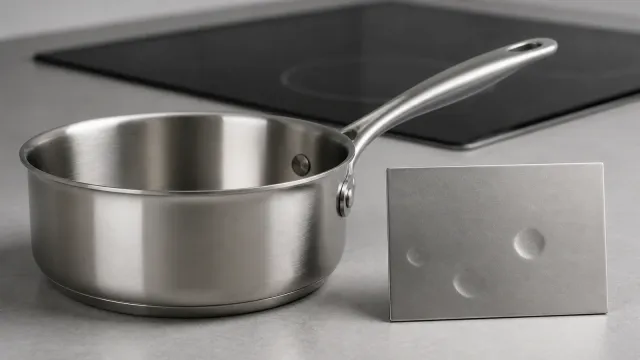
What Causes Pitting in Stainless Steel Cookware?
Learn why chloride, salt concentration, heat, deposits, and surface condition can cause pitting in stainless cookware and when to seek maker assessment.
51 posts with this tag
Learn why chloride, salt concentration, heat, deposits, and surface condition can cause pitting in stainless cookware and when to seek maker assessment.
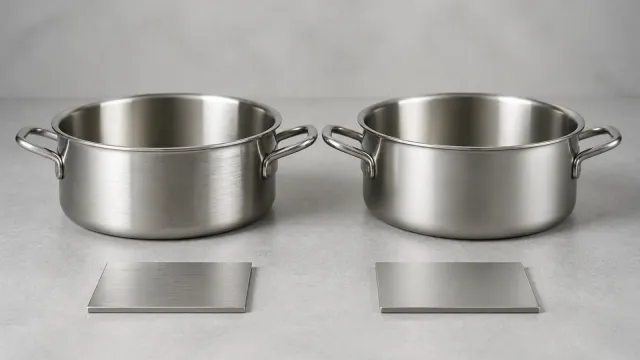
Compare 201 and 304 stainless steel for cookware by composition, corrosion, forming, magnetism, food-contact evidence, and exact product documentation.
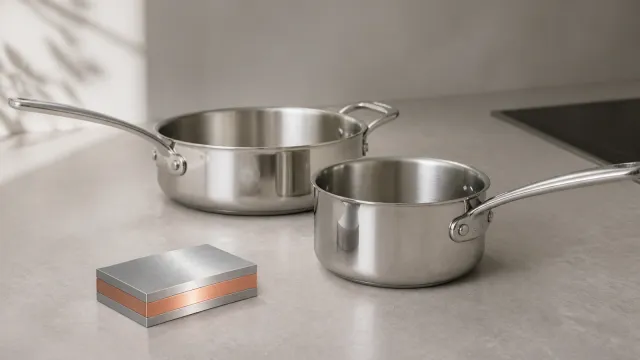
Compare stainless steel copper-core cookware by cladding pattern, food-contact surface, vessel lineup, induction, oven limits, care, and maker evidence.
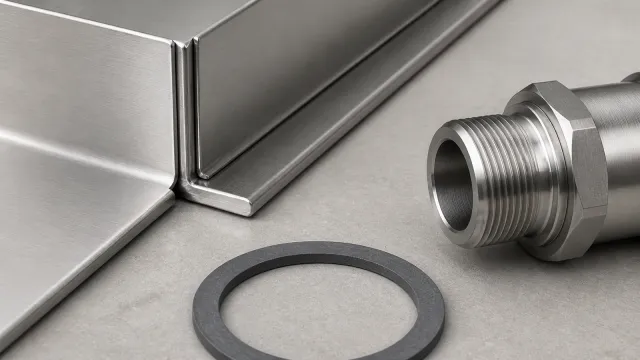
Crevice corrosion starts in oxygen-starved seams, gaskets, joints, or deposits. Learn the mechanism, clues, prevention limits, and when to stop using an item.
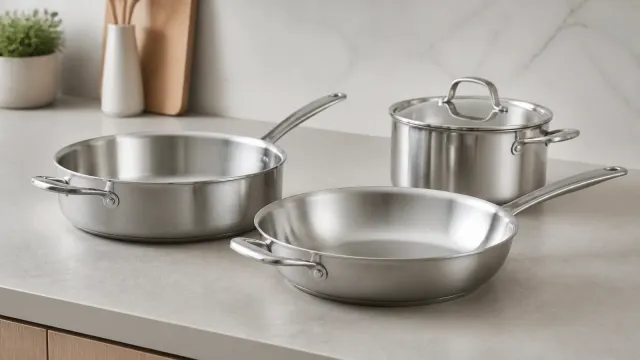
Compare stainless steel cookware with helper handles by vessel size, body construction, clearance, lids, cooktops, oven limits, care, and evidence gaps.
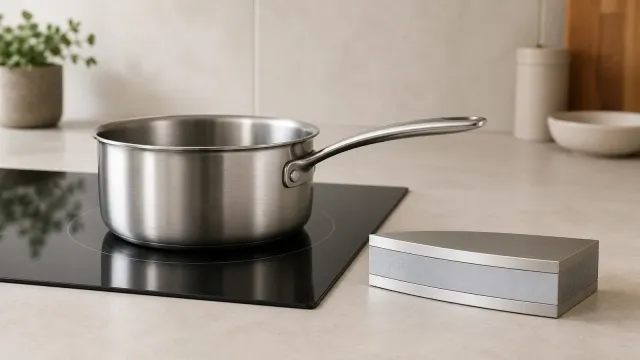
Stainless steel is not a fast conductor, but clad cookware uses cores, thickness, and geometry to spread heat and limit hot spots in practice for cooking.
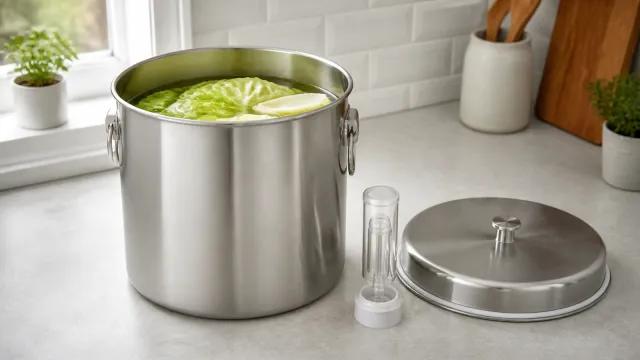
Yes, stainless steel can suit some food fermentation, but a documented vessel and tested process must control the food, brine, gas, and storage conditions.
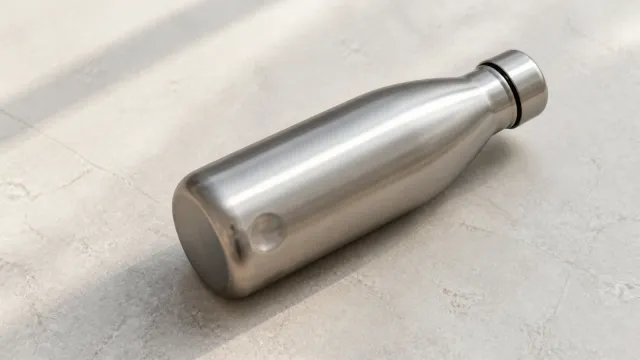
A shallow dent may be cosmetic, but sharp creases, leaks, exposed liner, lid damage, vacuum loss, or unknown contamination mean stop use and ask the maker.
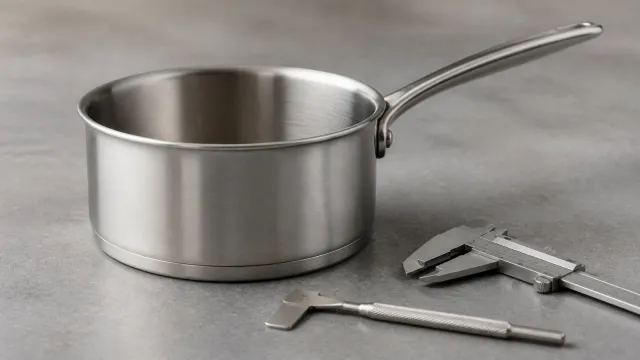
Learn what a stainless steel cookware gauge claim measures, how it differs from total, layer, and base thickness, and what a simple caliper cannot reveal.
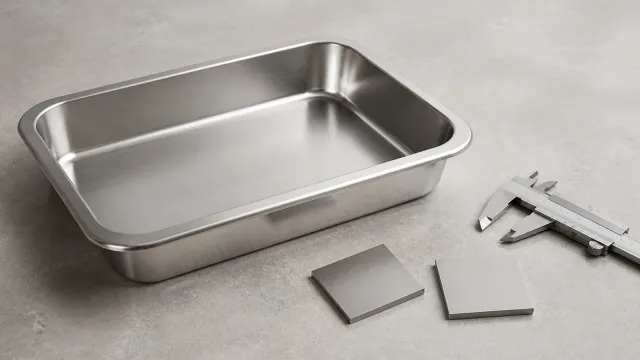
201 stainless steel can suit food-contact uses, but the grade alone is not proof. Learn how corrosion, finish, fabrication, and documentation change the answer.
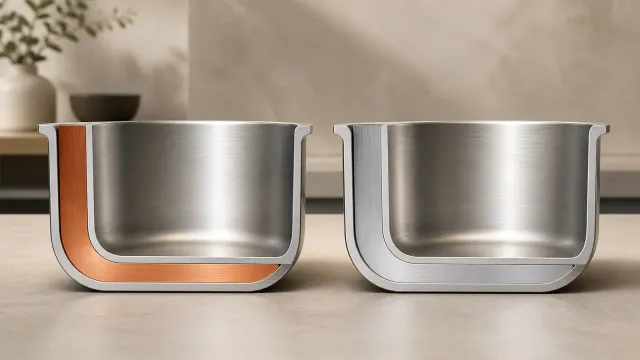
Stainless steel cookware with copper vs aluminum core: compare heat response, weight, price, construction evidence, and food-contact limits before choosing.