
Saucepan vs Sauté Pan: What Is the Difference?
Choose a saucepan for liquids and small portions or a sauté pan for browning and one-pan meals. Compare shape, capacity, evaporation, and handling.
Page 18 of 21 - 229 posts by this author
Choose a saucepan for liquids and small portions or a sauté pan for browning and one-pan meals. Compare shape, capacity, evaporation, and handling.

Compare stainless steel and nonstick cookware by food release, browning, durability, heat limits, care, and the jobs each surface handles best.
Compare titanium-labeled and stainless steel cookware by construction, cooking surface, weight, durability, heat control, care, and buying value.
Food-grade stainless steel is suitable for a stated food-contact use. Learn why grade, finish, fabrication, and use conditions all matter.
Fully clad cookware bonds conductive and durable metals across the base and sidewalls. Learn when that construction matters and what ply counts miss.

A 12-inch stainless frying pan suits most households, while 10-inch and 8-inch pans fit smaller portions. Choose by flat cooking area and burner size.
White spots on stainless steel pans are usually mineral deposits. Wash first, then use a maker-approved diluted vinegar treatment and dry the pan.
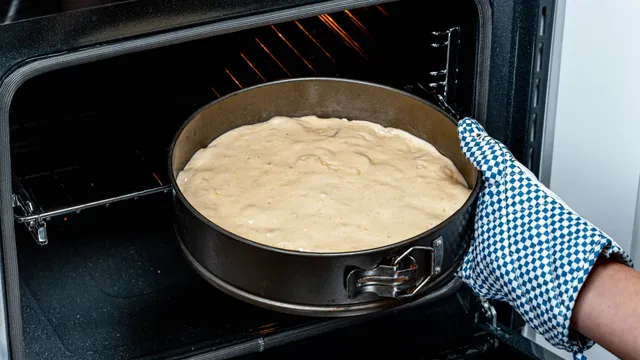
Stainless pans warp when one area heats or cools faster than the rest. Learn to judge a warp, why DIY fixes risk clad pans, and which bases resist it.
A brown stainless steel pan has baked-on oil or heat tint. Tell them apart by touch, see if it is safe to cook in, and use the right fix for each mark.
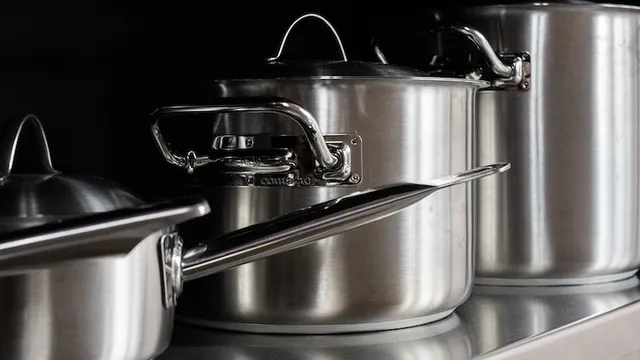
All-Clad D3 beats Made In for most cooks because its 12-inch pan includes a lid. Made In wins on bare-pan weight, a broader handle, and an 800°F oven limit.
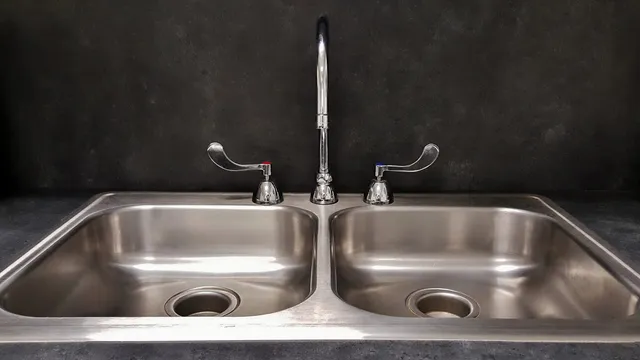
The Weiman kit is the best stainless steel cleaner for most appliance surfaces. Compare four picks for appliances, cookware, sinks, and gentler cleaning.