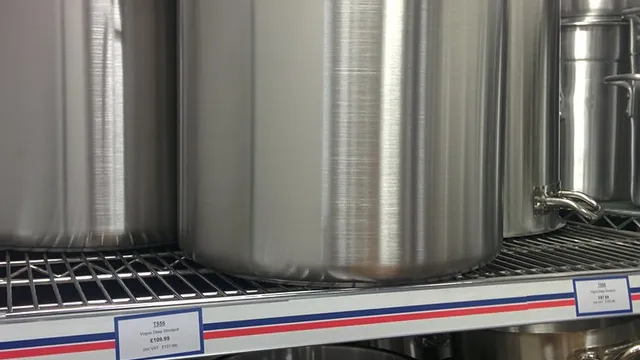
Demeyere vs All-Clad: Which Cookware Fits Your Kitchen?
Demeyere vs All-Clad: compare Industry 5 welded handles, dishwasher care, and published base diameter with D3 rivets, handwashing, and a 600°F oven limit.
Page 17 of 21 - 229 posts by this author
Demeyere vs All-Clad: compare Industry 5 welded handles, dishwasher care, and published base diameter with D3 rivets, handwashing, and a 600°F oven limit.
Disc-bottom cookware concentrates conductive metal under the base. Fully clad cookware carries it into the walls. The right choice depends on vessel and task.

Nickel can migrate from some stainless cookware. See what studies measured, which cooking conditions matter, and practical choices for nickel sensitivity.
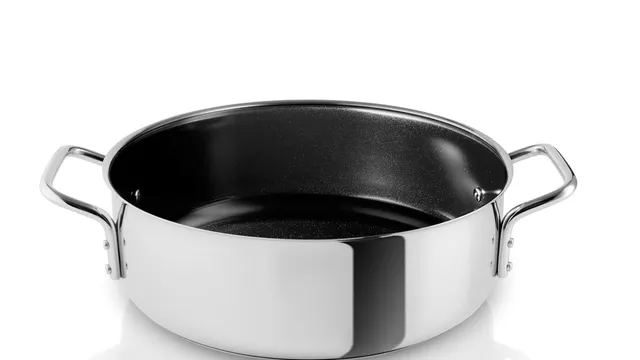
Compare enameled cast iron and stainless steel by heat retention, responsiveness, weight, food compatibility, care, durability, and ideal recipes.

Compare hard-anodized and stainless steel cookware by cooking surface, release, weight, durability, acidic foods, induction use, care, and replacement.
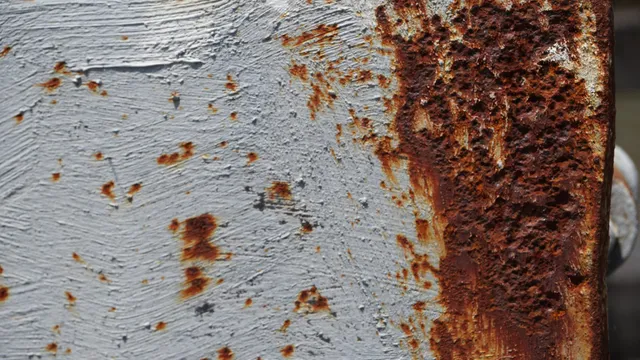
Clean a burnt stainless steel pan by cooling it, soaking it in warm soapy water, loosening residue gently, then treating only the marks that remain.
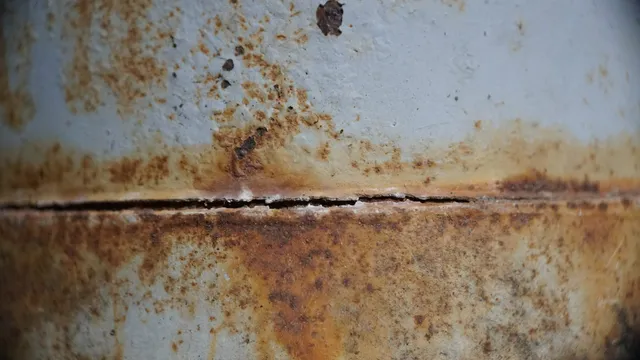
Clean a stainless steel pan bottom by identifying grease, burnt oil, or heat color, then treating only that residue with a finish-safe method.
Clean stainless steel pans by identifying the residue first, starting with soap and water, and using a targeted treatment only for marks that remain.
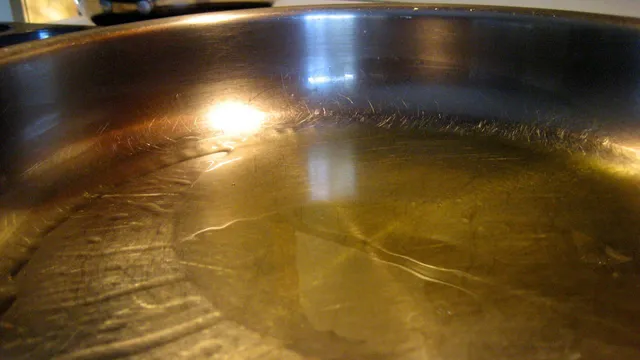
Remove burnt oil from stainless steel by washing off loose grease, softening the film, then using a cookware-approved cleanser with light pressure.
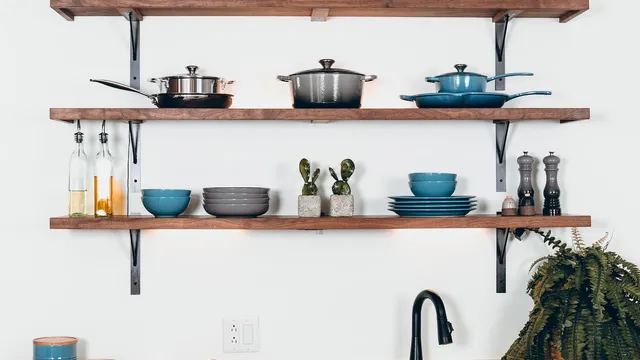
Store stainless steel pans clean and dry, with stable handle support and soft separators when stacking would rub polished surfaces or other coatings.
Rainbow stains on stainless steel pans are usually heat tint. Wash the pan, then use diluted vinegar if the cookware maker permits it and rinse well.