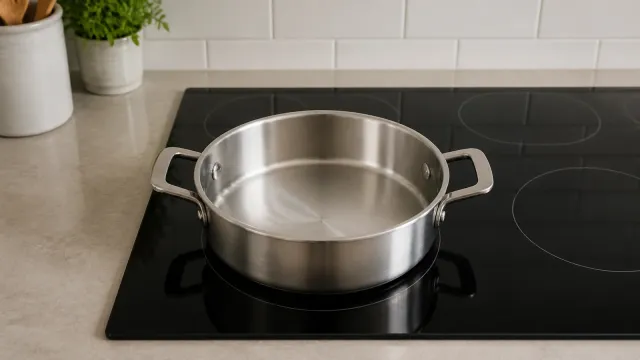
Does Stainless Steel Cookware Work on a Glass Top Stove?
Does stainless steel cookware work on a glass top stove? Learn when a flat, clean base is suitable, how to lift pans, and why radiant glass is not induction.
The (Almost) Indestructible Metal!
Page 6 of 20
Does stainless steel cookware work on a glass top stove? Learn when a flat, clean base is suitable, how to lift pans, and why radiant glass is not induction.
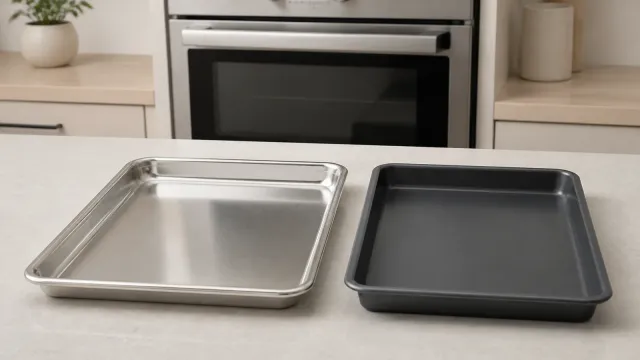
Compare stainless steel and nonstick bakeware by release, browning, care, coating wear, and maker-stated oven limits across common home baking pan shapes.
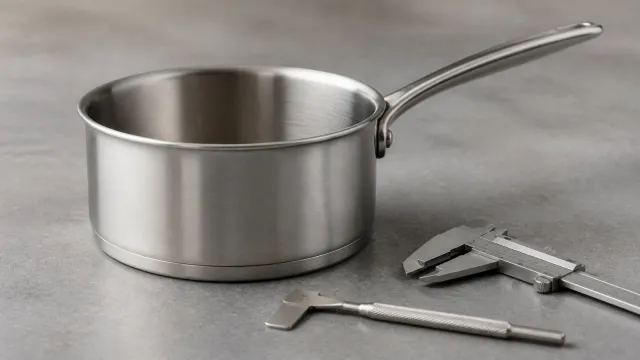
Learn what a stainless steel cookware gauge claim measures, how it differs from total, layer, and base thickness, and what a simple caliper cannot reveal.
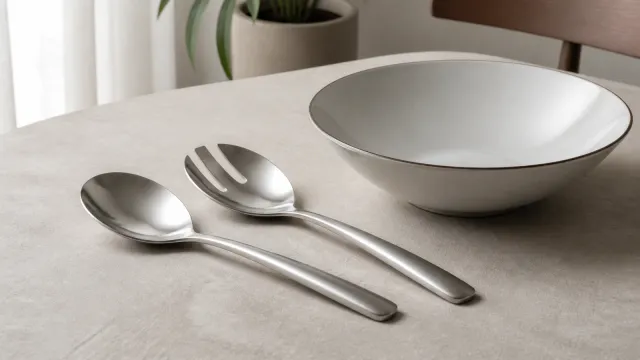
Choose salad servers by spoon and fork geometry, food-contact steel, length, finish, and care. These Oneida, WMF, Rösle, and Mikasa picks use current evidence.

Find the best stainless steel egg poacher for your kitchen by comparing pan, insert, cup coating, lid, cooktop fit, and care with current maker evidence.
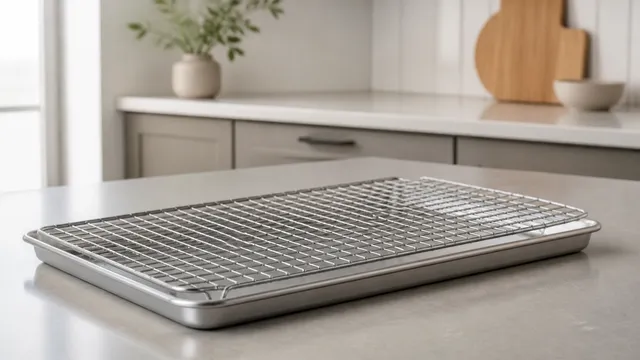
Compare three verified stainless steel cooling racks by dimensions, grid, feet, pan fit, material, oven guidance, and cleaning needs.
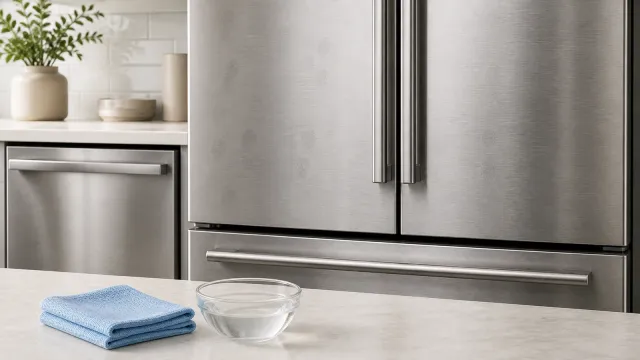
Learn how to clean stainless steel appliances without streaks using mild soap, a soft cloth, the grain direction, and finish-specific care for coated panels.
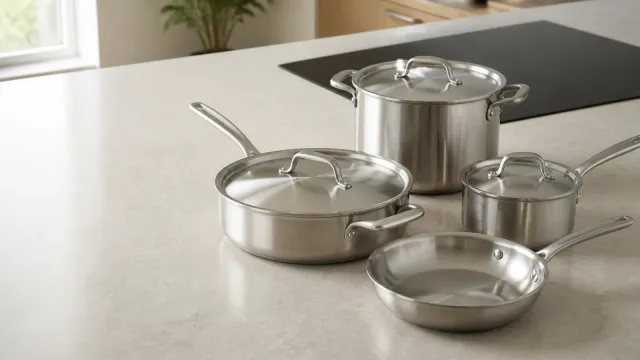
Find stainless steel cookware for large-family batch cooking by comparing stockpot size, skillet coverage, construction, care, and documented set contents.

Compare three verified stainless steel whisks by wire profile, handle, size, cleaning needs, and best use, with current manufacturer evidence.
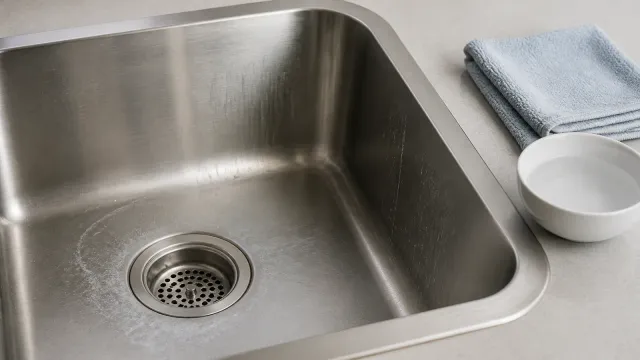
Remove hard water stains from a stainless steel sink by identifying mineral film, starting mild, following maker-approved acid care, rinsing, and drying.
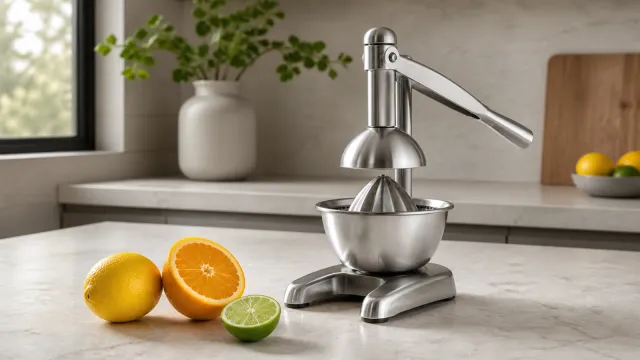
Compare three manual stainless steel citrus juicers by cone, bowl, strainer, fruit fit, construction, care, and dated Amazon and maker evidence for home use.
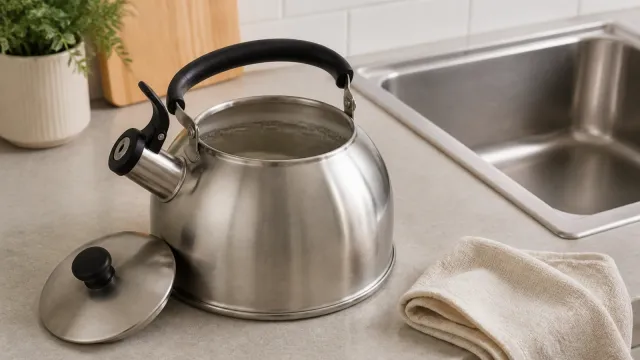
How to descale a stainless steel kettle: identify mineral scale, follow maker-approved acid directions, rinse thoroughly, and keep electric bases dry.