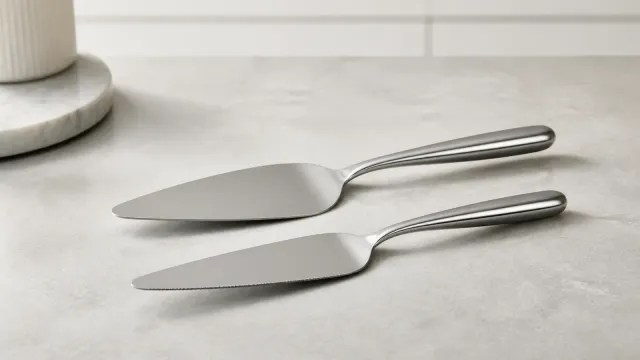
Best Stainless Steel Cake Servers
Compare stainless steel cake and pie servers by food-contact material, edge profile, handle construction, size, care, set contents, and dated product evidence.
The (Almost) Indestructible Metal!
Page 4 of 20
Compare stainless steel cake and pie servers by food-contact material, edge profile, handle construction, size, care, set contents, and dated product evidence.
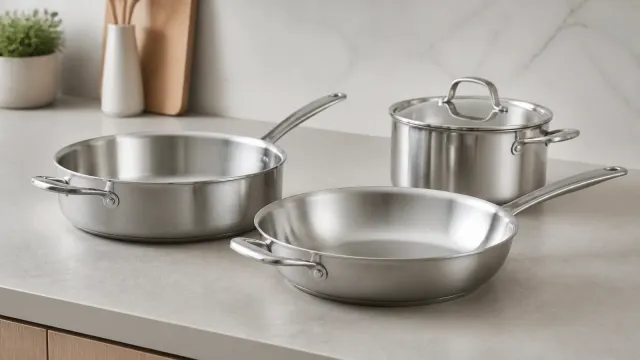
Compare stainless steel cookware with helper handles by vessel size, body construction, clearance, lids, cooktops, oven limits, care, and evidence gaps.
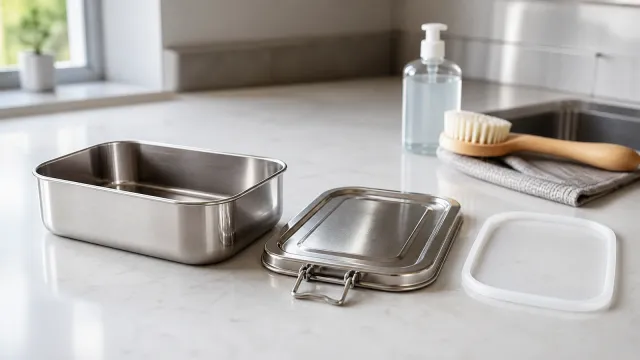
Clean a stainless steel lunch box with mild dish soap, a soft brush, and complete drying. Learn to handle gaskets, lids, odors, stains, and dishwasher limits.
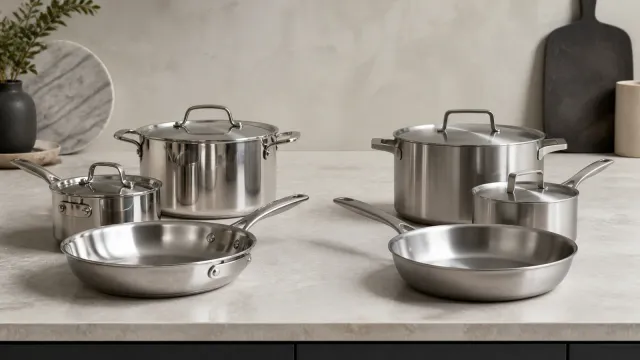
Compare Made In Stainless Clad and Hestan ProBond by construction, pan sizes, handles, care, heat limits, warranties, origin evidence, and current availability.
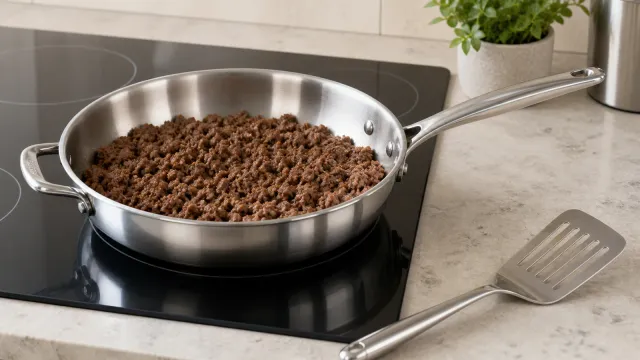
Yes, you can cook ground beef in stainless steel. Learn how to brown it, check the safe 160°F endpoint, prevent cross-contamination, and drain fat carefully.
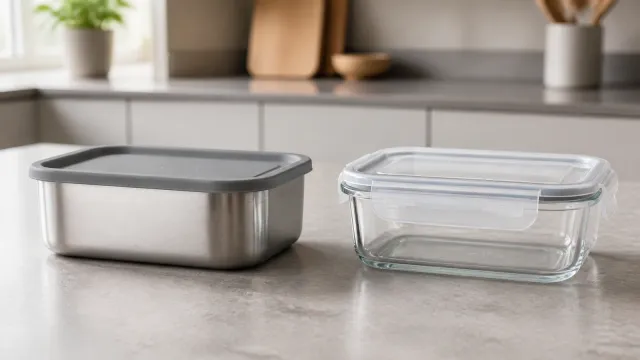
Compare stainless steel and glass food storage containers by visibility, weight, breakage, lids, appliance limits, food contact, care, and end-of-life.
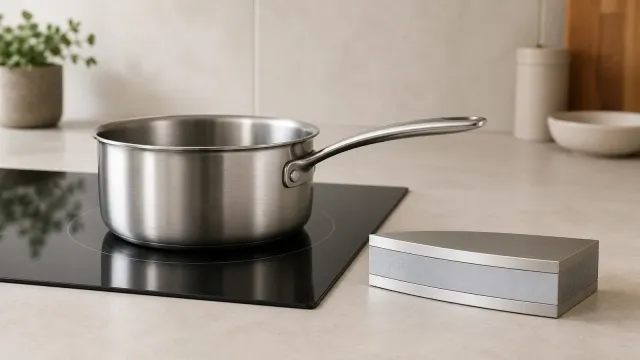
Stainless steel is not a fast conductor, but clad cookware uses cores, thickness, and geometry to spread heat and limit hot spots in practice for cooking.
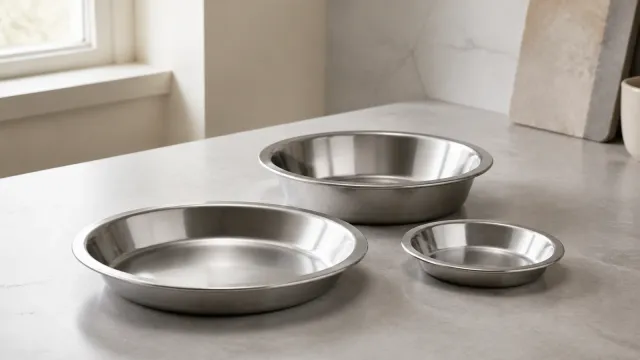
Compare verified stainless steel pie pans by food-contact material, diameter, rim, depth, oven guidance, care, and the limits of current product evidence.
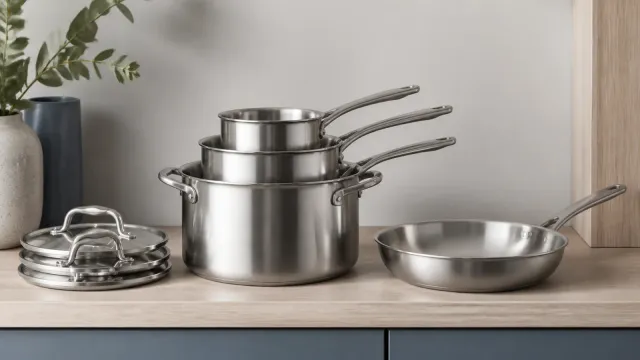
Compare compact stainless cookware sets by nesting, storage footprint, vessel coverage, handle clearance, food-contact layers, care, and dated product evidence.
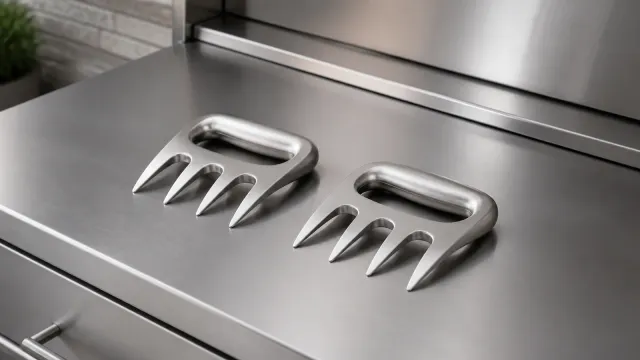
Compare stainless steel meat claws by verified material, tine geometry, handles, care, and maker-stated uses. See dated ratings and limits before buying.
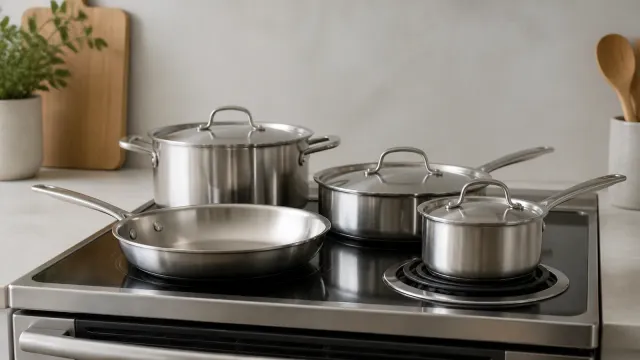
Compare stainless steel cookware for exposed-coil and radiant electric stoves by base fit, construction, size, components, oven limits, and maker care guidance.
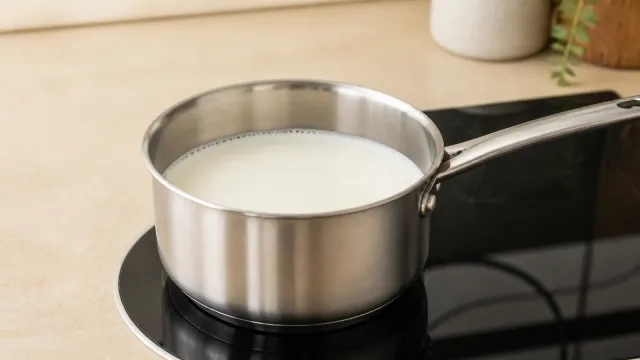
Yes, you can boil milk in stainless steel, but gentle heat, stirring, and attention matter more than a high burner setting. Learn the safe boundaries.