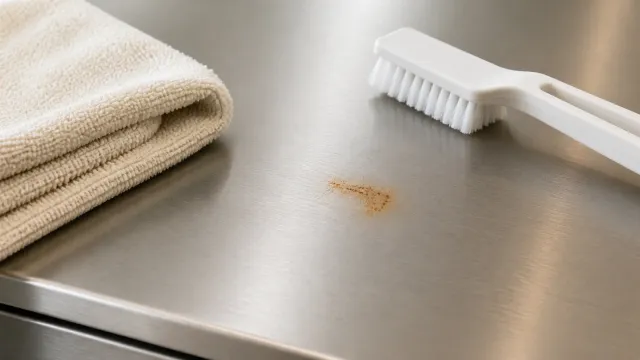
How to Remove Rust From Stainless Steel Without Making It Worse
Learn how to remove rust from stainless steel safely by identifying iron transfer, heat tint, active corrosion, or pitting before you clean and rinse.
Page 12 of 21 - 229 posts by this author
Learn how to remove rust from stainless steel safely by identifying iron transfer, heat tint, active corrosion, or pitting before you clean and rinse.
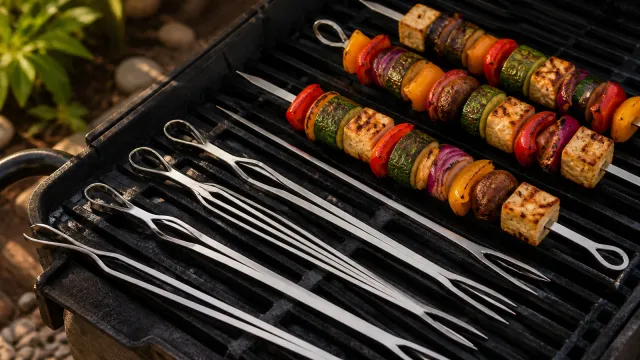
Compare the best stainless steel skewers by length, shape, handles, food loading, grill clearance, cleaning, and current maker-documented material evidence.
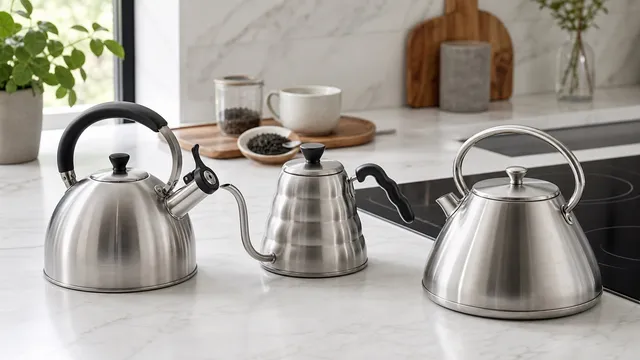
Le Creuset's Stainless Classic leads our stovetop picks. Compare it with Hario's pour-over kettle and Fellow's 1.5-liter electric Clyde for countertop boiling.
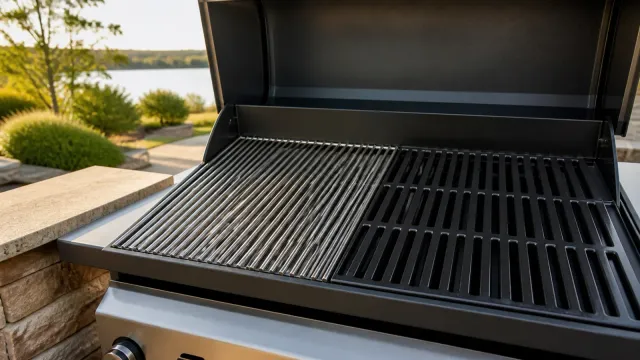
Stainless steel grill grates resist rust and clean easily, while cast iron holds heat for sear marks. Compare care, fit, weight, and replacement tradeoffs.
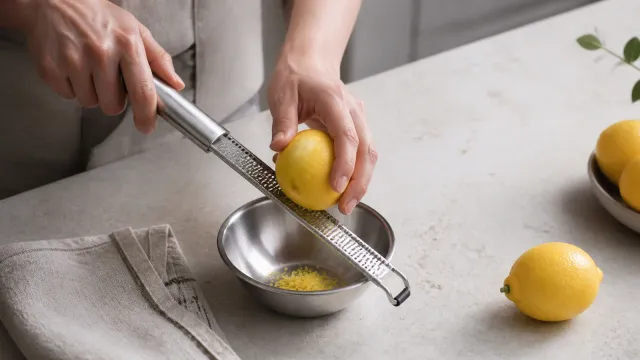
Microplane all-stainless zester is our top pick. Compare grippy, rigid, and walnut-handle options for citrus, cheese, and easy cleanup, plus care notes.
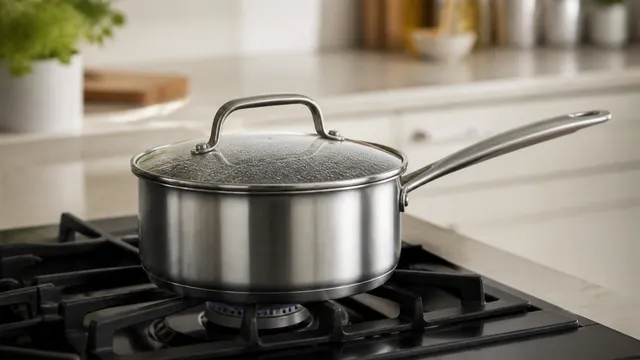
Learn what vapor-seal cooking means, how a fitted lid and low heat manage moisture, how the method differs from pressure cooking, and what can go wrong.
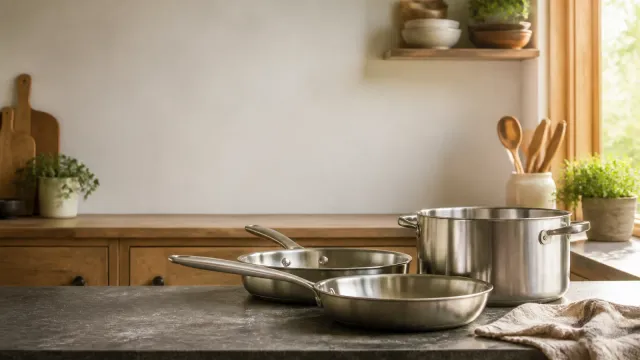
Compare affordable stainless steel cookware by construction, vessel coverage, cooktop fit, care, and warranty, with value-focused picks for pans and stockpots.
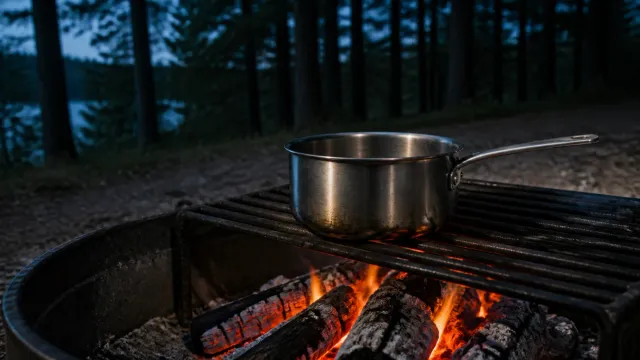
You can use stainless steel cookware on a permitted campfire, but direct flame, unstable support, coatings, handles, soot, and thermal shock set strict limits.
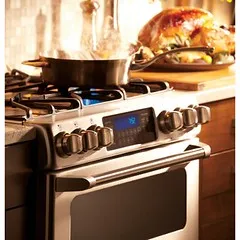
Choose Made In Stainless Clad for lighter, chef-shaped five-ply cookware and an 800°F limit. Choose Demeyere Industry 5 for welded handles and Silvinox.
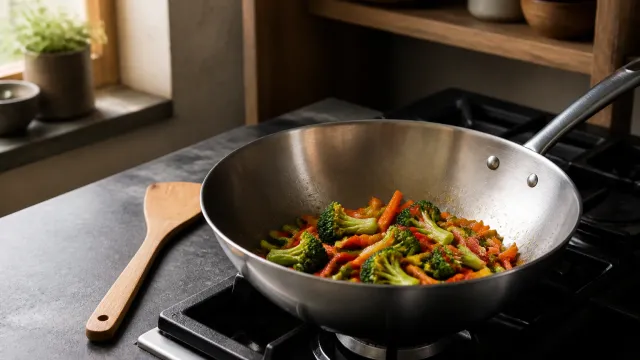
The Tramontina Signature is the best stainless steel wok for most cooks. Compare 4 bare-steel picks by cladding, lid, shape, stove fit, and oven limit.
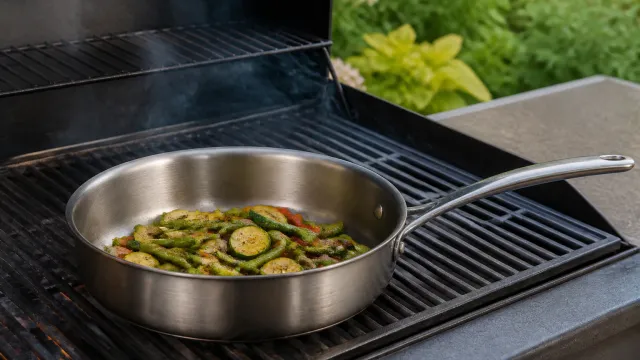
Yes, stainless steel cookware can go on a grill when the pan and every part are heat-rated. Use indirect heat, secure the pan, and follow maker limits.