Usually, no. Ordinary steel wool is a poor default for stainless steel because it can leave visible scratches and transfer tiny carbon-steel particles that later rust on the surface. Start with a microfiber cloth, soft sponge, or clean nylon brush instead, and use a nonwoven pad only when the exact maker and finish allow it.
The short answer needs a surface qualification. A brushed sink, a polished appliance, an uncoated pan, a fingerprint-resistant refrigerator, and a colored or plated finish do not share one care rule. The item’s manual and finish-specific instructions take priority over a general tip about stainless steel.
Can steel wool scratch stainless steel?
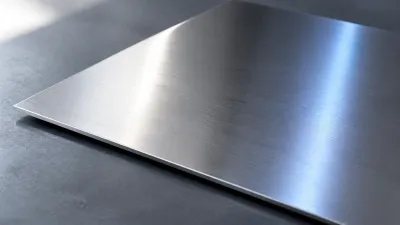
Yes. Steel wool can scratch stainless steel, with the risk depending on the wool grade, pressure, direction, surface finish, and whether the item has a coating. Even when the metal remains functional, cross-grain marks can change the appearance of brushed steel and permanent scuffs can stand out on a polished surface.
The British Stainless Steel Association recommends soft cloths, soft sponges, or soft-fibre brushes for routine cleaning, then moves to mild non-scratching products before more aggressive methods. Its cleaning-methods guidance says nylon-type pads can be used for some tougher work, but they should follow the grain on brushed or polished finishes and be tested on an unobtrusive area first.
A scratch is not always a safety emergency on bare, uncoated stainless steel. It is still a reason to stop using the same abrasive. The separate guide to whether scratched stainless steel pans are safe explains the difference between fine cosmetic lines and deep gouges, pits, exposed core metal, or separating layers.
Why can steel wool make stainless steel rust?
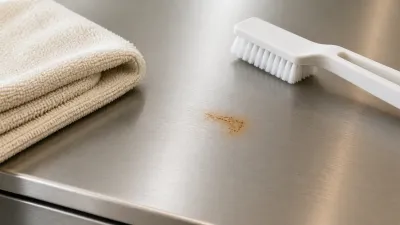
Ordinary steel wool can leave free iron on stainless steel. Moisture can then make those particles rust, creating an orange or brown mark that looks as though the stainless substrate itself has failed.
This is contamination, not proof that the stainless alloy suddenly became ordinary steel. The BSSA describes rust staining from carbon-steel particles becoming attached or embedded in stainless surfaces. World Stainless also warns that ordinary carbon-steel scouring pads can cause both scratch marks and corrosion. The World Stainless home-cleaning guide lists ordinary carbon-steel pads among unsuitable tools.
The distinction matters because more steel wool is the wrong response to a rust-colored mark caused by steel wool. It may make the surface rougher and add more iron. Remove the source, wash with the item’s approved mild method, rinse well, dry completely, and use a finish-compatible rust-stain treatment only if the maker allows it. Do not assume a quick polish has removed every particle from a seam, scratch, or crevice.
What should you use instead of steel wool?
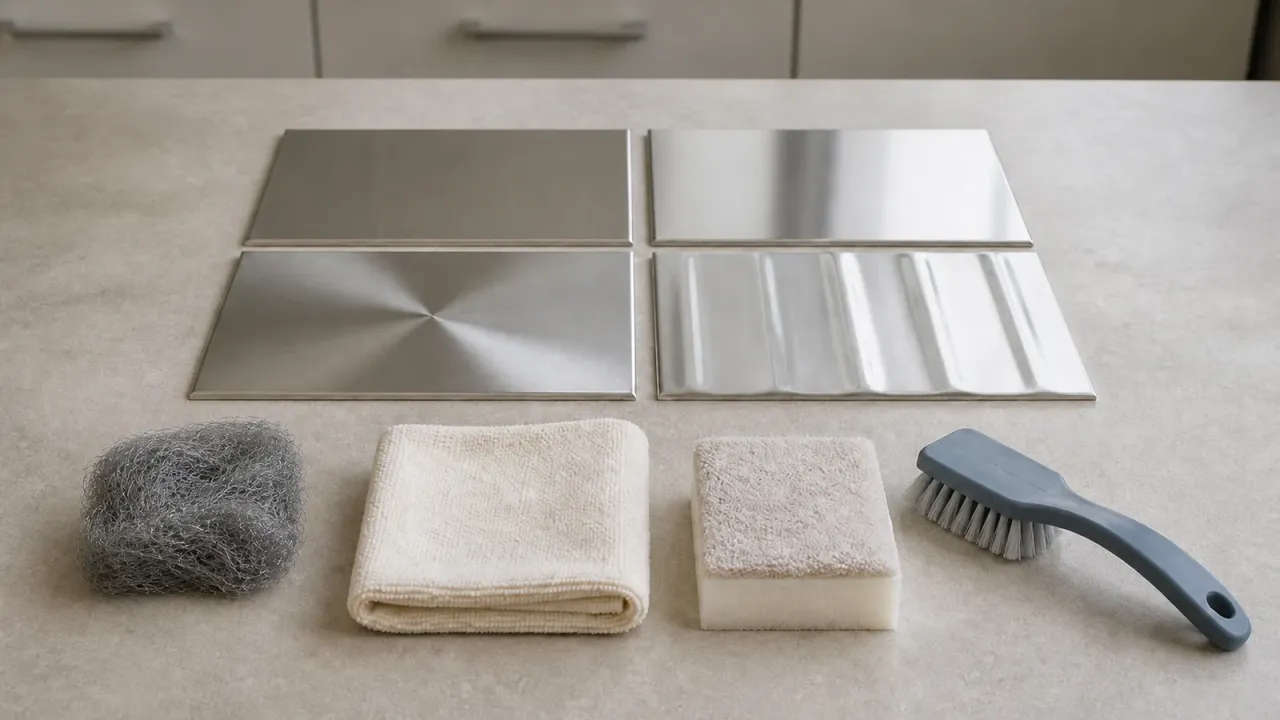
Use the least aggressive clean tool that can do the job. A microfiber cloth or soft sponge is the starting point for loose soil, while a clean nylon brush or maker-approved nonwoven pad can handle residue that needs more mechanical help.
| Tool | Best starting use | Main risk or limit |
|---|---|---|
| Microfiber cloth | Fingerprints, dust, light film, and final drying | A dirty cloth can drag grit across the finish |
| Soft sponge | Mild food soil and routine washing | The abrasive side may scratch; use the soft side unless the maker says otherwise |
| Soft nylon brush | Seams, corners, sink drains, and stuck residue | Stiff bristles can mark a delicate or coated finish |
| Clean nonwoven nylon pad | Some stubborn soil on a compatible satin or bare finish | It is still abrasive, so test a hidden spot and follow the grain |
| Ordinary steel wool | No general stainless-steel cleaning role | Scratch risk plus free-iron contamination |
The tool must also be clean. A pad used on carbon steel, cast iron, rusty hardware, or a dirty garage surface can carry iron and grit to stainless steel even if the pad itself is labeled for a different task. Do not share abrasive tools between dissimilar metals.
Do not treat “stainless steel wool” as automatic permission. Some food-processing guidance allows stainless-steel wool or other controlled abrasives for hard deposits, but that advice assumes a suitable grade, clean tool, appropriate equipment, and trained handling. It does not override the care instructions for a household sink, appliance, pan, or coated product.
Which stainless steel surface are you cleaning?
The finish and application decide whether any abrasive is appropriate. Identify the surface before choosing a pad, and treat an unknown finish as delicate until the maker confirms otherwise.
Brushed stainless-steel appliances
Use warm soapy water and a microfiber cloth or nonabrasive sponge first, wiping in the direction of the grain. GE Appliances says not to use steel wool or gritty cleansers on stainless appliance surfaces and recommends drying with a soft cloth along the grain in its appliance-cleaning guidance.
Whirlpool gives a similar direction for traditional stainless surfaces, but it is stricter for fingerprint-resistant and black stainless finishes. Its surface-care instructions prohibit steel wool pads and other abrasives for those finishes because the coating or treatment can be damaged. A maker’s “stainless” label does not tell you whether the outside is bare metal.
Polished or mirror stainless steel
Choose a soft cloth and a surface-approved cleaner, not steel wool. Polished surfaces show fine scratches and hazing readily, and a pad that seems mild on a satin sink can change the gloss on a mirror finish. Wipe lightly, rinse away residue where the care guide requires it, and dry with a clean cloth.
Stainless steel sinks
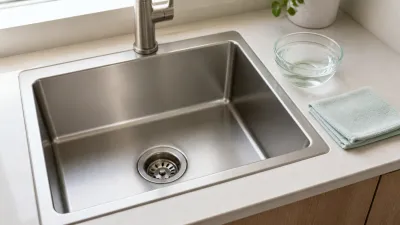
Use a soft sponge or microfiber cloth for routine cleaning, then a clean nylon tool for seams and hard-to-reach spots if the sink maker permits it. Franke says to work in the grain, rinse thoroughly, dry the basin, and never use steel-wool pads in its stainless sink FAQ. It also identifies tiny iron particles from wire pads or utensils as a source of recurring rust spots.
Some sink makers distinguish a satin bowl from a mirror-finish rim. Franke’s care material allows a very mild abrasive on some satin finishes while prohibiting abrasive material on mirror finishes. That is why “use a Scotch-Brite pad” is not a universal instruction. Use the exact sink manual, a clean nonmetallic pad, and the grain direction only when the finish-specific instructions allow it.
Uncoated stainless cookware
Avoid steel wool on both the cooking surface and the exterior unless the exact cookware maker expressly permits a particular tool. All-Clad’s care and use guidance recommends nylon scrubbing pads or a soft sponge and advises against steel wool, steel scouring pads, and harsh cleaners.
For stuck food, soak first. A wooden or silicone utensil can lift softened edges, followed by a soft sponge or the maker’s approved nylon pad. The stainless steel pan cleaning guide separates stuck food from burnt oil, mineral deposits, and heat tint so you do not solve every mark with more abrasion.
Rinse a food-contact surface completely after any cleaner, and dry it before inspecting. A surface that looks clean but retains grit, cleaner, or free iron is not finished.
Coated, colored, plated, or unknown finishes
Do not use steel wool while the finish is unidentified. Fingerprint-resistant, black, colored, painted, plated, enamel, ceramic, and nonstick surfaces can be more sensitive than bare stainless steel. Abrasion can remove a coating or create a visible patch that cannot be blended back at home.
Find the model number and read the maker’s care page or manual. If the finish is damaged, the surface has a coating you cannot identify, or the manual does not address the proposed tool, stop at a soft cloth and contact the maker.
How do you remove stuck food without steel wool?
Soak the residue and increase mechanical force gradually. You usually do not need steel wool to remove stuck food from stainless steel, and starting with it makes a finish or contamination problem more likely.
- Let a hot pan, sink, or appliance part cool before adding water or touching it.
- Remove loose material with a wooden or silicone utensil, not a knife or metal edge.
- Cover the residue with warm water and a small amount of ordinary dish soap if the item’s instructions allow it. Give the deposit time to soften.
- Wipe with a soft sponge or microfiber cloth. For seams and corners, use a clean soft nylon brush.
- If the maker allows a nonwoven pad or cleanser, spot-test it first and work with the grain using light pressure.
- Rinse away every trace of soap or cleaner, then dry with a clean cloth.
- Inspect the dry surface under angled light. Stop if the finish changes, the mark is actually a pit, or a scratch catches an edge.
Do not combine cleaners to make the residue “work faster.” Use one product at a time, follow its label and the item’s manual, and rinse fully before changing methods. For product categories and surface limits, see the guide to stainless steel cleaners. A cleaner designed for uncoated cookware is not automatically suitable for a coated appliance.
When should you stop scrubbing?
Stop and ask the maker or a qualified professional when cleaning reveals damage rather than removable soil. More pressure cannot repair missing metal, a damaged coating, or a separated bonded layer.
Stop using the abrasive and reassess when you see:
- A deep groove that catches a fingernail or a burr that can cut skin.
- Pits, pinholes, flaking, a spreading rough area, or a recurring orange mark.
- A coating, color layer, plating, or fingerprint treatment that is worn through.
- Another metal visible on a food-contact surface, a crack, or a separated cookware layer.
- A loose part, unstable base, sharp edge, or damage around a pressure-bearing component.
- Cleaner residue, unknown chemical exposure, or a surface you cannot identify.
Do not grind, sand, power-polish, or keep scrubbing a defect to make it disappear. Those actions can remove useful evidence for a warranty claim and change the geometry of a food-contact or load-bearing part. If the goal is appearance, making stainless steel look new again should still be treated as a finish-specific project, not a promise that every scratch can be erased.
Does steel wool remove rust from stainless steel?
It can remove a visible deposit while making the underlying problem worse, so it is not a safe default rust-removal tool. Steel wool can spread or add free iron, scratch the surface, and leave a rougher place for moisture to collect.
First remove the carbon-steel source and wash the item with its approved mild method. If a smooth orange mark remains, use only a labeled, finish-compatible product that the maker allows. Follow the product’s contact time, ventilation, protective-equipment, rinsing, and disposal directions. Do not mix cleaners or invent an acid recipe from a general internet tip.
If the mark returns quickly, remains rough, forms pits, or sits on a food-contact or coated surface, stop escalating. The visible stain may be a symptom of contamination, corrosion, water chemistry, or damage that cleaning alone cannot certify.
Can you use steel wool on stainless steel?
Not as a general household rule. Ordinary carbon-steel wool should be avoided on stainless steel because it can scratch the finish and leave iron particles that later rust. A specific industrial or food-equipment instruction may allow a clean stainless-steel abrasive under controlled conditions, but that does not transfer to every household item.
Can you use steel wool on stainless steel cookware?
Avoid it unless the cookware maker’s exact instructions say otherwise. Soak stuck food, use a soft sponge or clean nylon tool, and rinse the food-contact surface completely. If a scratch is deep, a layer is exposed, or the pan’s construction is uncertain, stop and ask the maker.
Is stainless-steel wool safer than ordinary steel wool?
It removes the carbon-steel contamination concern, but it is still an abrasive. The grade, pressure, finish, cleanliness, and direction can still determine whether it scratches or changes the surface. Treat it as a finish-specific tool that needs maker permission, not as a universal upgrade.
Why did stainless steel rust after scrubbing?
The likely explanations include iron particles from ordinary steel wool or another carbon-steel tool, water deposits, chloride exposure, or an existing damaged area. Clean and dry the surface, remove the contamination source, and stop if the mark keeps returning or pits remain.
Are scratches from steel wool dangerous?
Fine scratches on intact bare stainless steel are usually a finish problem, not proof of an immediate health hazard. Deep gouges, pits, exposed layers, sharp burrs, coating damage, or food-contact uncertainty need a separate safety assessment. Use the scratched-pan safety guide for that boundary.