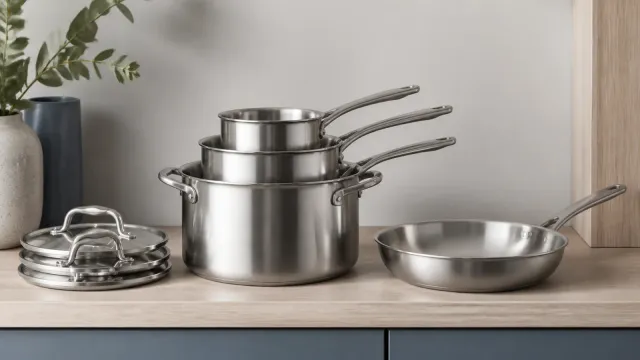
Best Stainless Steel Cookware for Small Kitchens
Compare compact stainless cookware sets by nesting, storage footprint, vessel coverage, handle clearance, food-contact layers, care, and dated product evidence.
Page 5 of 21 - 229 posts by this author
Compare compact stainless cookware sets by nesting, storage footprint, vessel coverage, handle clearance, food-contact layers, care, and dated product evidence.
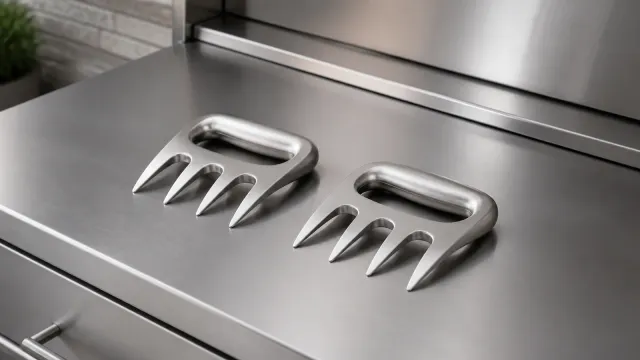
Compare stainless steel meat claws by verified material, tine geometry, handles, care, and maker-stated uses. See dated ratings and limits before buying.
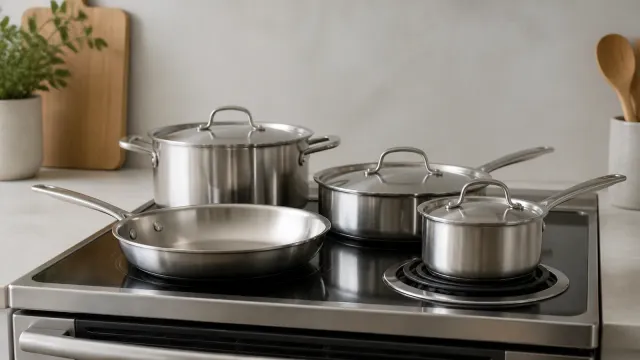
Compare stainless steel cookware for exposed-coil and radiant electric stoves by base fit, construction, size, components, oven limits, and maker care guidance.
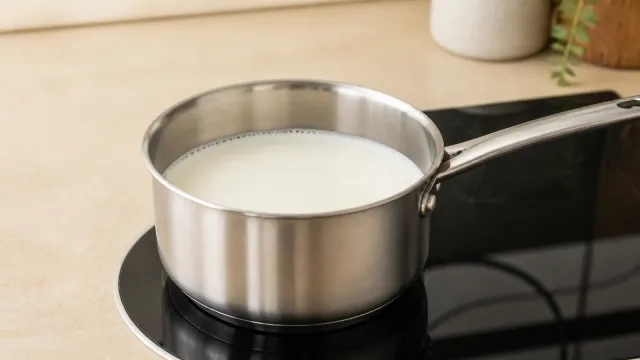
Yes, you can boil milk in stainless steel, but gentle heat, stirring, and attention matter more than a high burner setting. Learn the safe boundaries.
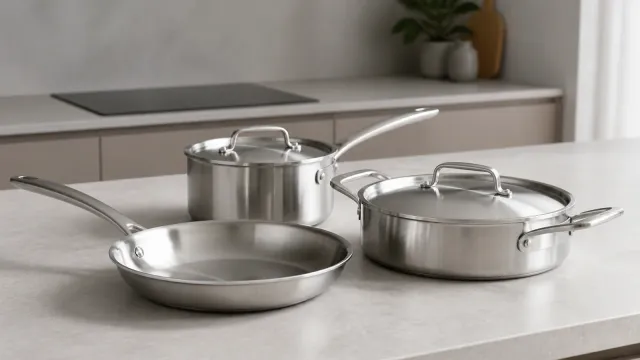
Choose fully clad stainless steel cookware by documented body layers, vessel coverage, cores, handles, cooktop fit, oven limits, and maker care guidance.
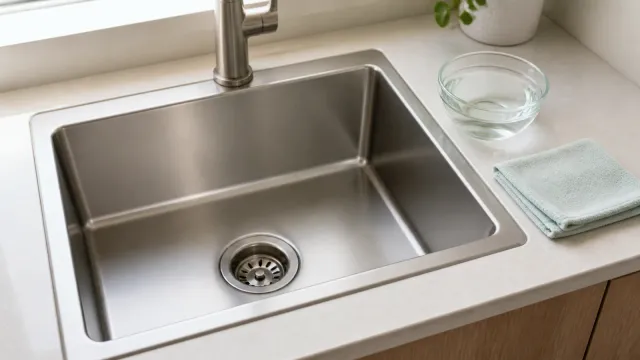
Clean a stainless steel sink without scratching it: use mild soap, wipe with the grain, rinse thoroughly, dry, and check the maker before stronger cleaners.
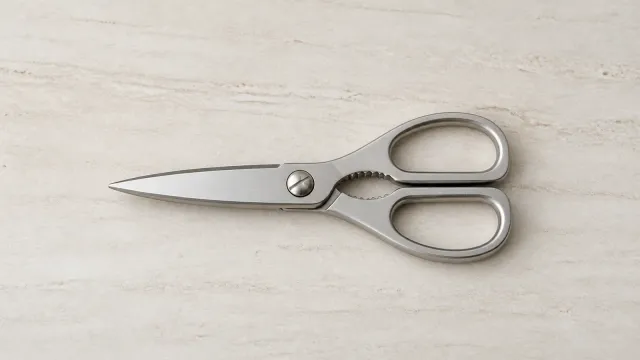
Compare four stainless steel kitchen shears by blade material, take-apart design, handles, features, dimensions, care limits, and evidence-backed use cases.
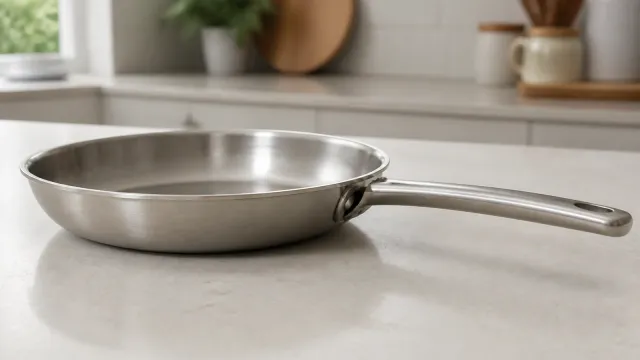
Do not cook with a loose pan handle. Learn when maker-approved tightening is reasonable, when to stop using the pan, and how to seek repair or replacement.
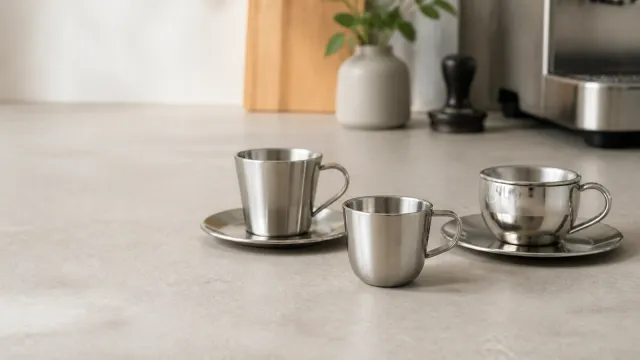
Compare small stainless steel espresso cups by exact capacity, wall construction, drink-contact material, rim, set count, saucers, and maker care guidance.
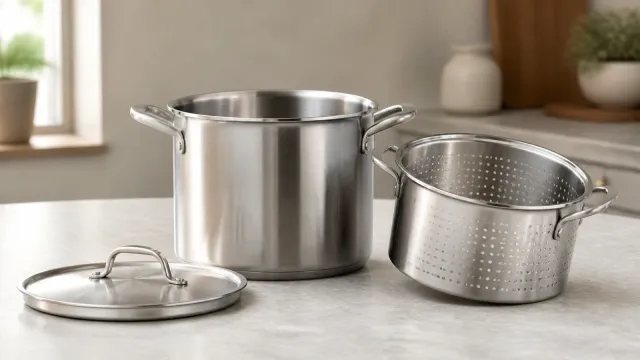
Compare stainless steel pasta pots by insert design, drain method, capacity, handles, cooktop fit, lid construction, food-contact materials, and care limits.
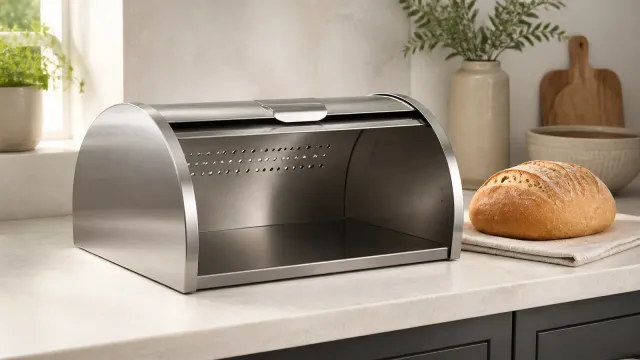
Compare stainless steel bread boxes by airflow, interior material, lid design, dimensions, and care. Brabantia leads with the clearest food-contact evidence.