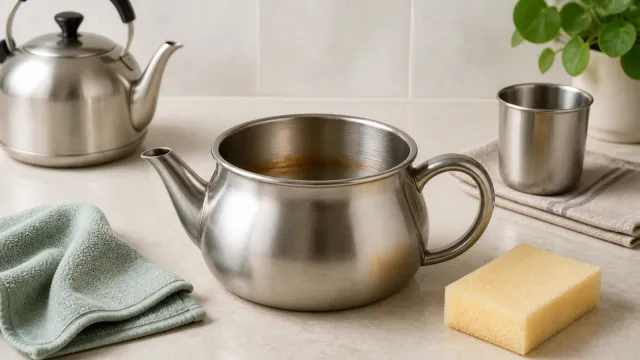
How to Remove Tea Stains From Stainless Steel
Learn how to remove tea stains from stainless steel with mild soap, a maker-approved washing-soda step, careful rinsing, and a finish-safe stain diagnosis.
Page 3 of 21 - 229 posts by this author
Learn how to remove tea stains from stainless steel with mild soap, a maker-approved washing-soda step, careful rinsing, and a finish-safe stain diagnosis.
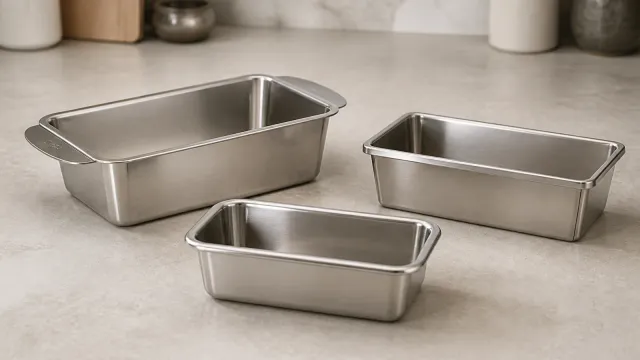
Compare stainless steel loaf pans by food-contact material, dimensions, depth, capacity, construction, oven guidance, care, and current exact-model evidence.
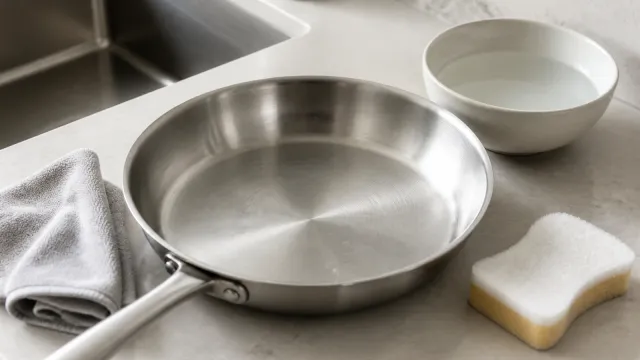
Bar Keepers Friend can work on compatible bare stainless steel, but variants and finish-maker directions control use, contact time, rinsing, and safety.
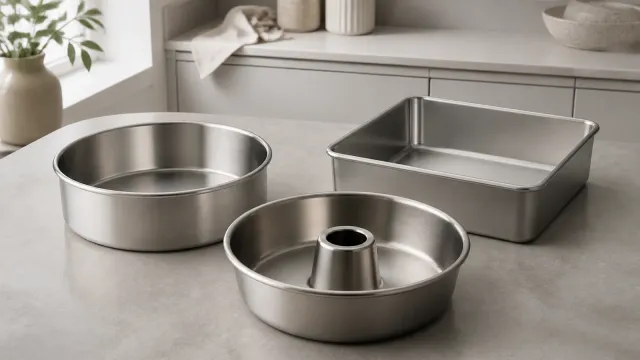
Compare stainless steel cake pans by round, square, and tube geometry, food-contact surface, size, seams, set count, oven guidance, care, and availability.
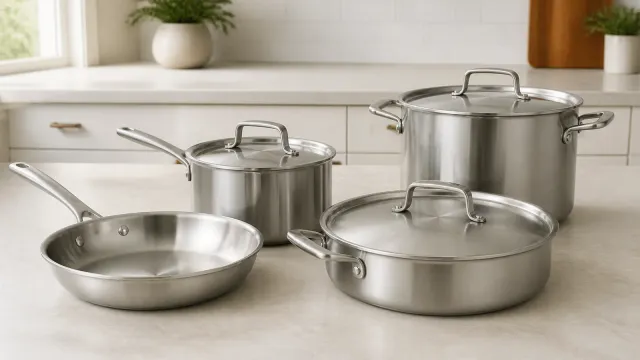
All-Clad D3 is our top 3-ply stainless cookware set for most kitchens. Compare full cladding, vessel mix, cores, induction, oven limits, care, and warranties.
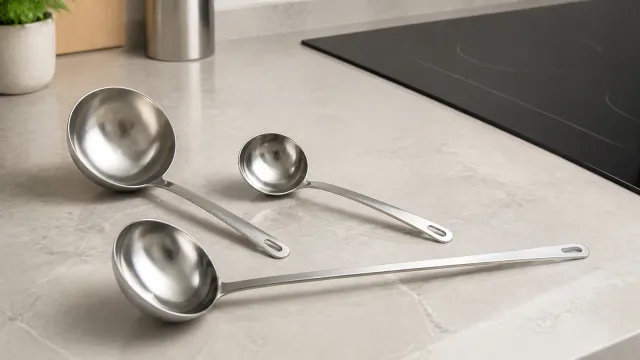
Compare stainless steel ladles by bowl capacity, dimensions, pour spouts, handle length, food-contact materials, one-piece construction, care, and availability.
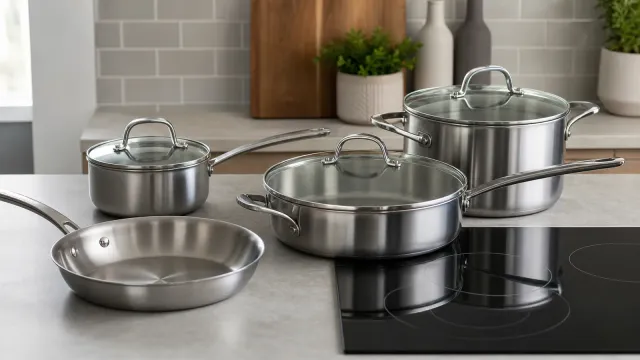
Compare cookware sets checked under a 300-dollar cap by vessel mix, construction, food-contact surfaces, lids, oven limits, care, availability, and warranty.
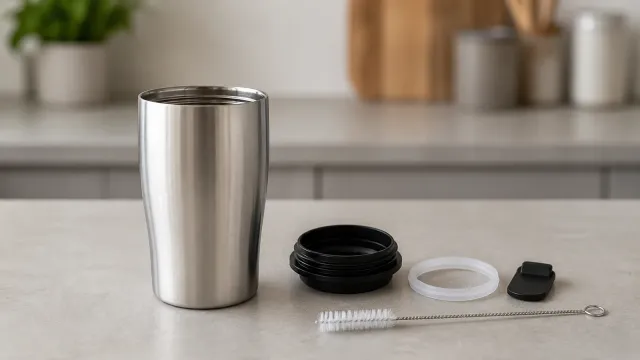
Learn how to clean a stainless steel travel mug, including its lid, gasket, slider, straw, coffee residue, odor, dishwasher limits, and drying routine.
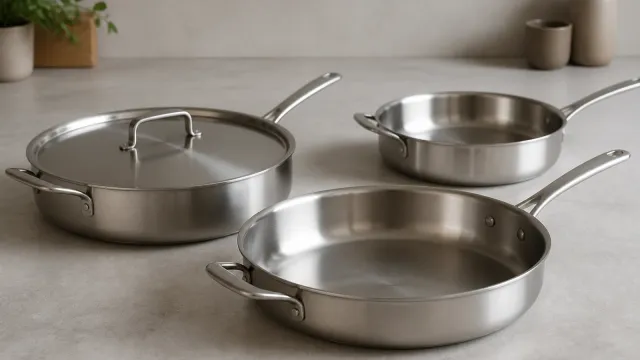
Compare stainless steel chef pans by high-sided geometry, capacity, core coverage, lids, handles, cooktops, oven limits, care, and current product evidence.
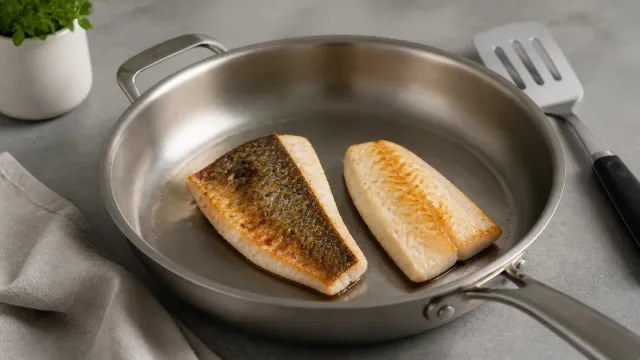
Cook fish in stainless steel without sticking by drying the fillet, warming the pan, using enough oil, waiting for release, and checking doneness safely.
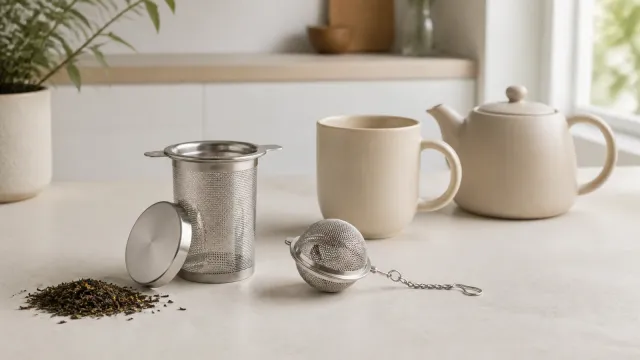
OXO Brew is our top stainless steel tea infuser for most loose-leaf tea. Compare basket, ball, mesh, fit, food-contact materials, and care with dated evidence.