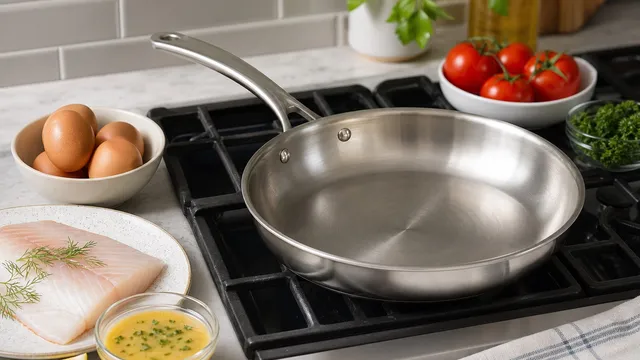
What Should You Not Cook in Stainless Steel?
Stainless steel can cook almost anything, but delicate eggs, dry lean fish, and sticky sugar are poor fits unless you control heat, fat, and timing.
The (Almost) Indestructible Metal!
Page 15 of 21
Stainless steel can cook almost anything, but delicate eggs, dry lean fish, and sticky sugar are poor fits unless you control heat, fat, and timing.
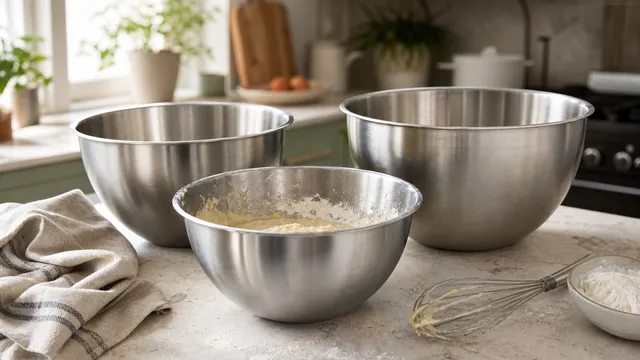
Cuisinart's three-piece set is the best stainless steel mixing bowl set for most kitchens. Compare it with lidded, non-slip, and six-size alternatives.
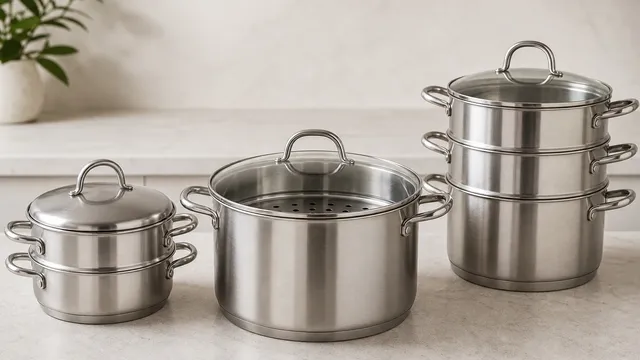
The Tramontina 5-quart set is the best stainless steel steamer pot for most homes. Compare 3 picks by capacity, insert, lid, cooktop, and batch sizes.
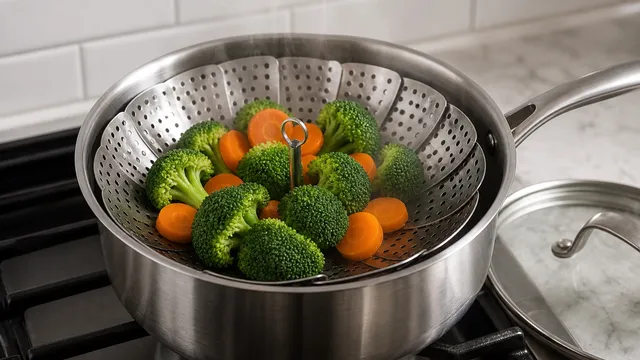
Add water below the basket, bring it to a simmer, arrange food in one layer, cover the pot, and steam until tender without letting the pot run dry.
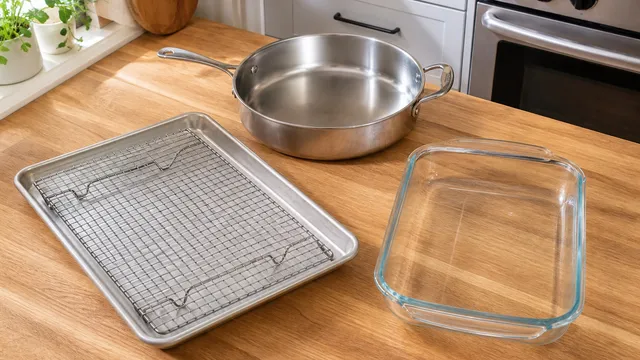
Use a rimmed sheet pan with an oven-safe rack for most roasts. An oven-safe skillet, baking dish, or Dutch oven also works when sized for the food.

The Cuisinart Chef's Classic 16-inch is the best stainless steel roasting pan for most cooks. Compare tri-ply picks and one pan sized for a 24 lb turkey.

Choose a stockpot for boiling, pasta, and large liquid batches. Choose a Dutch oven for browning, braising, baking, and steady oven heat.

18/0 stainless steel is magnetic grade 430 with almost no nickel. 18/10 adds about 10% nickel and resists rust better. Compare them for flatware.
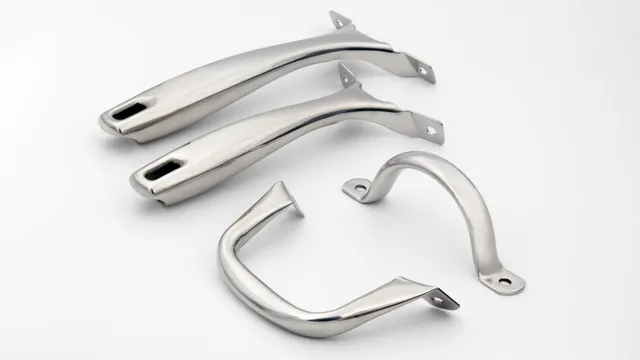
Learn what 18/10 and 18/8 mean, how they affect corrosion and finish, and which cookware construction details matter more when you buy.
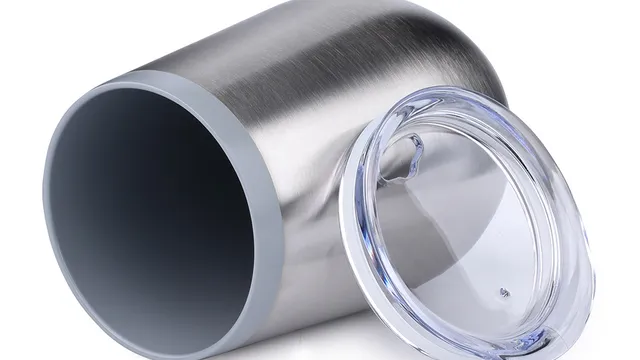
Three-ply cookware is usually lighter and more responsive. Five-ply may feel steadier, but layer count alone does not prove better heat distribution.
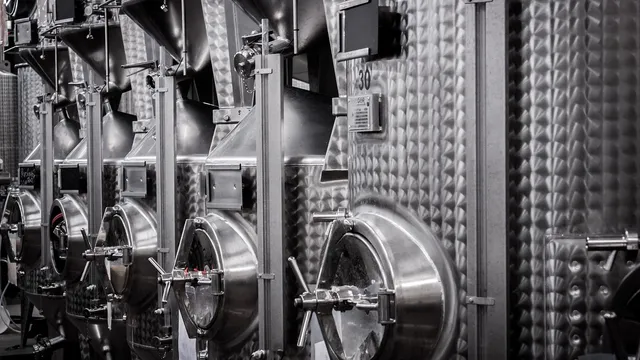
Compare 304 and 316 stainless steel by corrosion resistance, cost, magnetism, food use, and the environments where each grade makes sense.
Compare 304 and 430 stainless steel for corrosion resistance, magnetism, food contact, induction cookware, appliances, and flatware.