Choose lined copper when fast temperature response justifies its extra care, weight, and cost. Choose clad stainless steel for easier ownership, wider induction compatibility, and strong all-purpose performance.
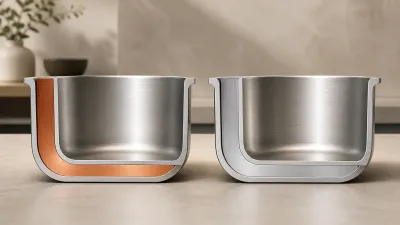
Keep the categories straight: lined copper and copper-core clad stainless are different constructions. Traditional lined copper places most of the copper outside a thin food-safe lining. Copper-core clad cookware encloses a copper layer between stainless and sometimes aluminum.
Copper vs stainless steel at a glance
| Decision | Lined copper | Clad stainless | Better choice |
|---|---|---|---|
| Temperature response | Fast with substantial copper | Depends on aluminum or copper core | Copper |
| Food-contact surface | Tin or stainless lining | Stainless steel | Depends on lining |
| Care | Hand care and lining inspection | Usually simpler | Stainless steel |
| Induction | Usually needs engineered base | Common with magnetic exterior | Stainless steel |
| Appearance | Copper exterior needs polishing if desired | Lower-maintenance finish | Preference |
| Price | Premium | Wide range | Stainless steel |
Construction and temperature control
Falk specifies 1.8 mm of copper under a 0.2 mm stainless lining in one of its lined copper pans. That is a copper vessel with a protective interior. All-Clad Copper Core uses five bonded layers: stainless, aluminum, copper, aluminum, and stainless. That is clad stainless cookware whose internal copper helps response.
Both designs use more than one metal because bare copper is reactive and stainless alone spreads heat poorly. The meaningful comparison includes layer materials and thickness, not merely a copper-colored band. Our fully clad cookware guide explains bonded sidewalls, while disc-bottom versus fully clad explains where the conductive material reaches.
Winner: Substantial lined copper for fastest response; construction-specific among clad pans.
Lining and food contact
Do not cook on unlined or badly damaged copper. Health Canada notes that copper cookware is generally lined to prevent transfer into food and advises replacing a damaged inner coating. Tin linings require lower heat and periodic professional attention; stainless linings tolerate higher temperatures and firmer utensils but can still be damaged.
Clad stainless keeps copper or aluminum away from food unless a bonded edge is exposed by damage. The stainless interior has its own alloy considerations, covered in what food-grade stainless steel means and the stainless cookware safety guide.
Winner: Clad stainless for lower-maintenance food contact.
Cooking jobs
Copper earns its place in temperature-sensitive work. Sauces, caramel, custard, and fish can benefit when a pan responds quickly after the burner changes. Thick lined copper also distributes heat well across a suitable burner.
Clad stainless handles those jobs capably and remains an excellent choice for searing and deglazing. All-Clad’s copper-core design shows that the decision is not binary: a stainless cooking surface can enclose copper for added response. Do not assume every copper-core product contains enough copper to behave like a thick traditional copper pan.
Winner: Copper for maximum response; stainless for broad everyday use.
Induction, care, and value
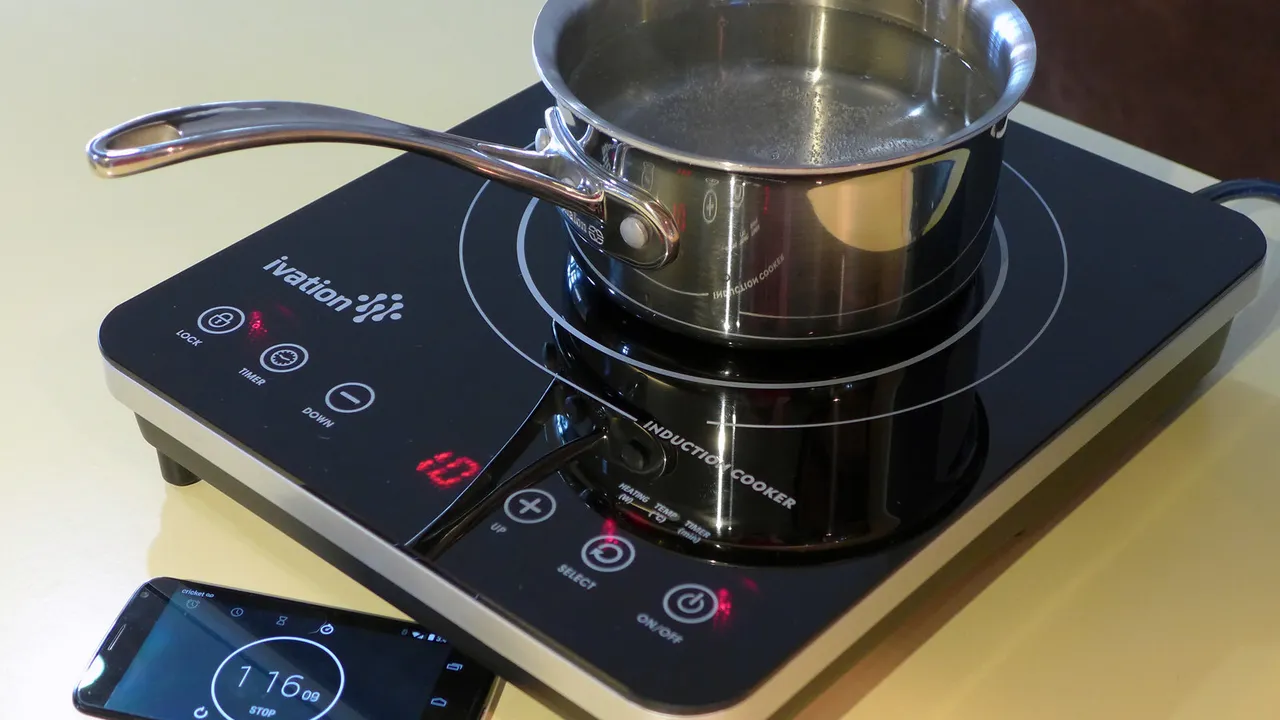
Copper is not inherently induction compatible. Some newer copper pans add a ferritic base, but verify the exact model. Clad stainless frequently uses a magnetic exterior, though “stainless” by itself still does not guarantee induction operation.
Hand-wash lined copper with soft tools, inspect its lining, and polish the exterior only if appearance matters. Stainless generally asks for less specialized care. Copper’s premium is easiest to justify for cooks who make temperature-sensitive dishes often, not for boiling water or routine stock.
Winner: Stainless steel.
Final verdict
Lined copper is the specialist winner for responsive heat control. Clad stainless is the better default because it is easier to maintain, easier to use on induction, and available at more price points. Compare tested constructions in our best stainless cookware sets and see Demeyere versus All-Clad for two approaches to premium clad steel.
Use the stainless versus nonstick gateway when surface release is the real decision. Nearby construction choices include aluminum versus stainless, titanium versus stainless, enameled cast iron, and hard-anodized cookware.
This is a research-based comparison, not a controlled thermal test. Manufacturer and government guidance was reviewed July 11, 2026.
Sources
- Health Canada, The safe use of cookware and bakeware (retrieved 2026-07-11)
- Falk, bonded copper and stainless construction (retrieved 2026-07-11)
- All-Clad, Copper Core construction (retrieved 2026-07-11)