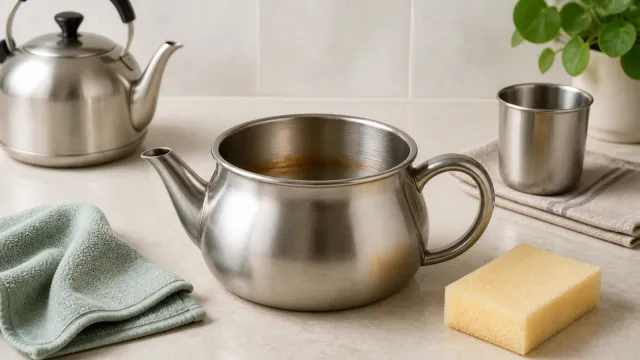
How to Remove Tea Stains From Stainless Steel
Learn how to remove tea stains from stainless steel with mild soap, a maker-approved washing-soda step, careful rinsing, and a finish-safe stain diagnosis.
29 posts with this tag
Learn how to remove tea stains from stainless steel with mild soap, a maker-approved washing-soda step, careful rinsing, and a finish-safe stain diagnosis.
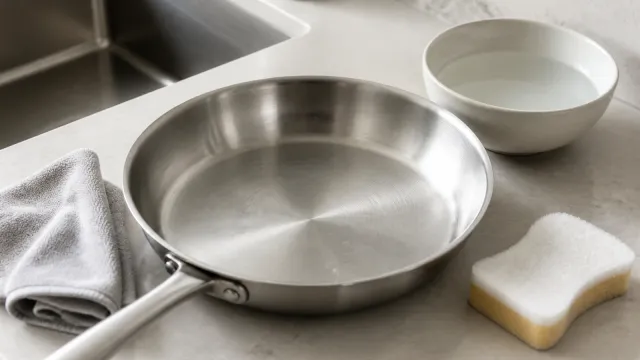
Bar Keepers Friend can work on compatible bare stainless steel, but variants and finish-maker directions control use, contact time, rinsing, and safety.
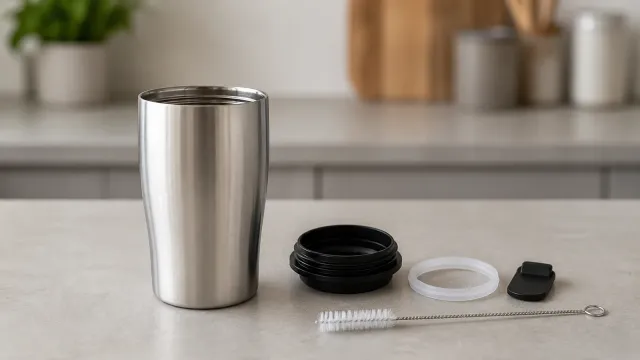
Learn how to clean a stainless steel travel mug, including its lid, gasket, slider, straw, coffee residue, odor, dishwasher limits, and drying routine.
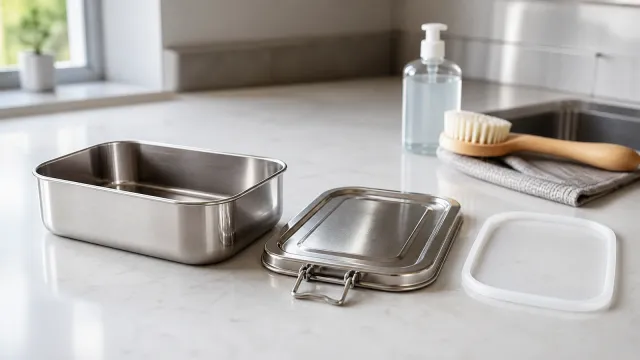
Clean a stainless steel lunch box with mild dish soap, a soft brush, and complete drying. Learn to handle gaskets, lids, odors, stains, and dishwasher limits.
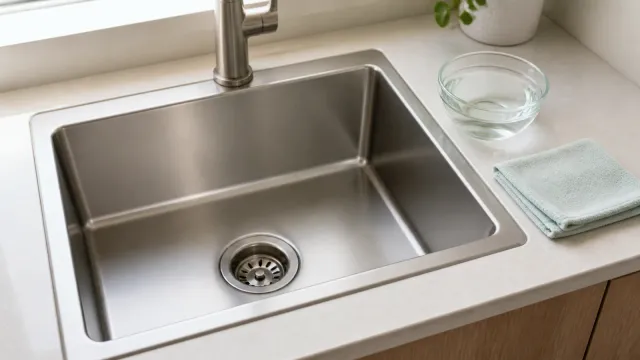
Clean a stainless steel sink without scratching it: use mild soap, wipe with the grain, rinse thoroughly, dry, and check the maker before stronger cleaners.
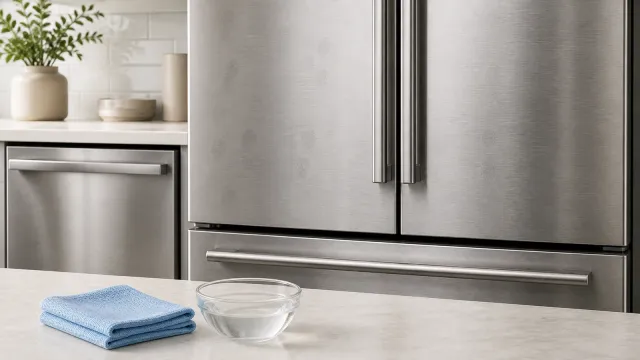
Learn how to clean stainless steel appliances without streaks using mild soap, a soft cloth, the grain direction, and finish-specific care for coated panels.
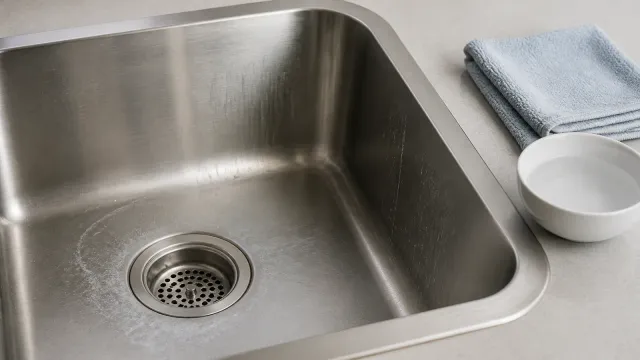
Remove hard water stains from a stainless steel sink by identifying mineral film, starting mild, following maker-approved acid care, rinsing, and drying.
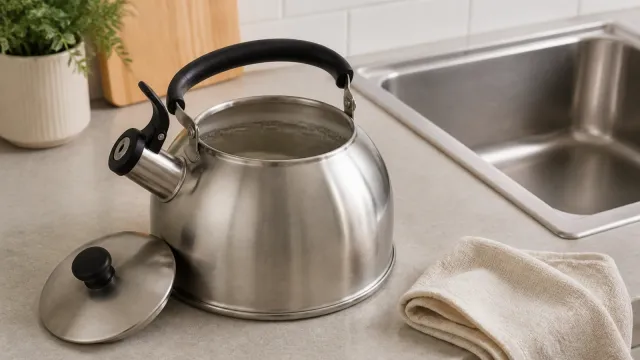
How to descale a stainless steel kettle: identify mineral scale, follow maker-approved acid directions, rinse thoroughly, and keep electric bases dry.
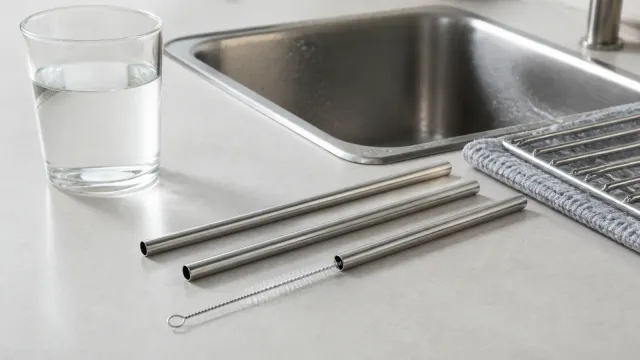
Learn how to clean stainless steel straws with warm water, mild dish soap, and a narrow brush. Rinse the bore, dry it fully, and follow the maker's care rules.
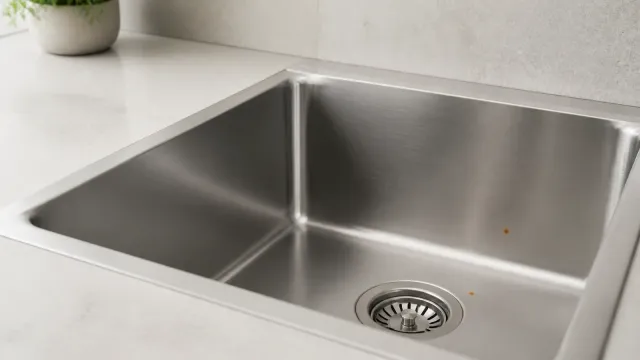
Stainless steel sink rust is often transferred iron or residue, but rough pits, chloride exposure, wet crevices, and returning spots need a maker check.
Stainless steel passivation forms a thin chromium-rich passive film. Learn how natural passivity differs from cleaning, pickling, and chemical treatment.