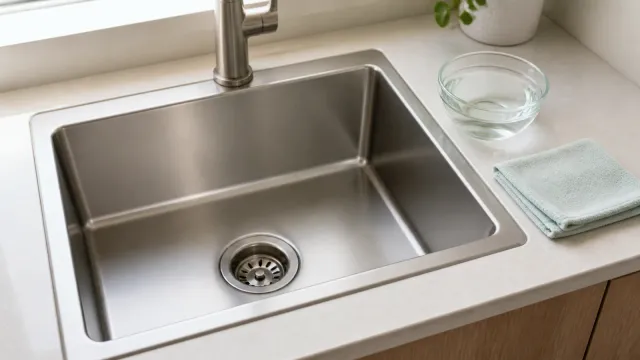
How to Clean a Stainless Steel Sink Without Scratching It
Clean a stainless steel sink without scratching it: use mild soap, wipe with the grain, rinse thoroughly, dry, and check the maker before stronger cleaners.
12 posts with this tag
Clean a stainless steel sink without scratching it: use mild soap, wipe with the grain, rinse thoroughly, dry, and check the maker before stronger cleaners.
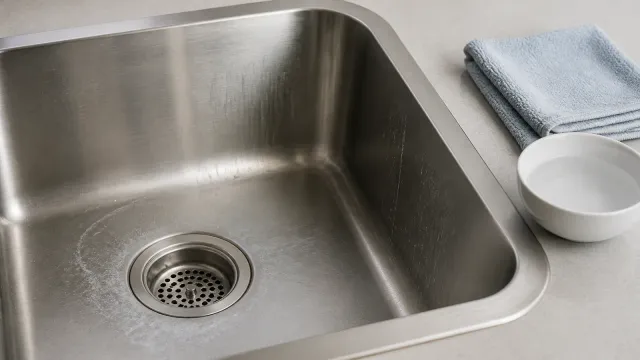
Remove hard water stains from a stainless steel sink by identifying mineral film, starting mild, following maker-approved acid care, rinsing, and drying.
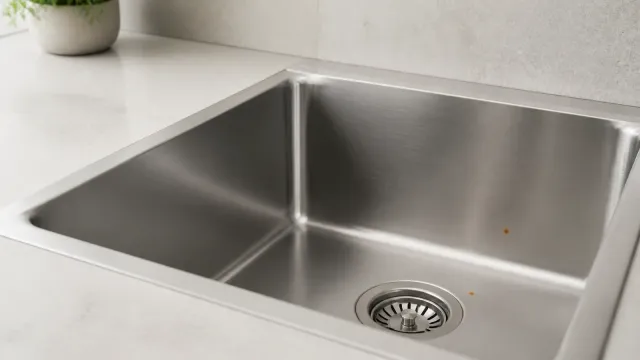
Stainless steel sink rust is often transferred iron or residue, but rough pits, chloride exposure, wet crevices, and returning spots need a maker check.
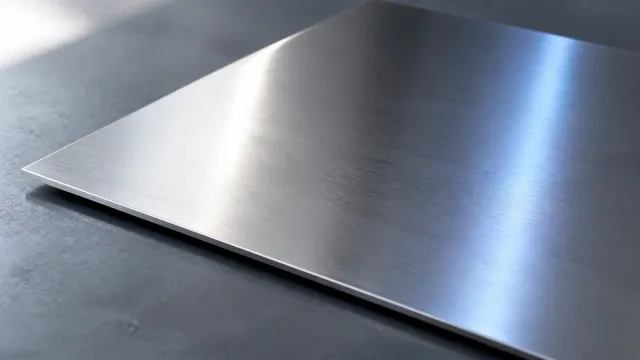
Stainless steel passivation forms a thin chromium-rich passive film. Learn how natural passivity differs from cleaning, pickling, and chemical treatment.
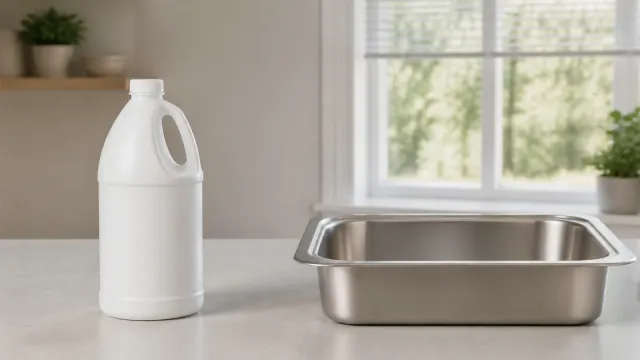
Bleach is usually a poor choice for stainless steel. Learn when maker-approved disinfection fits, what to do after contact, and when pitting needs inspection.
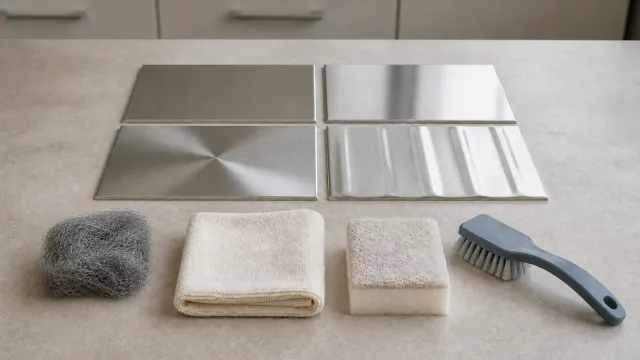
Steel wool can scratch stainless steel and leave iron behind. Compare safer nylon pads, soft brushes, and microfiber cloths, then learn when to stop safely.
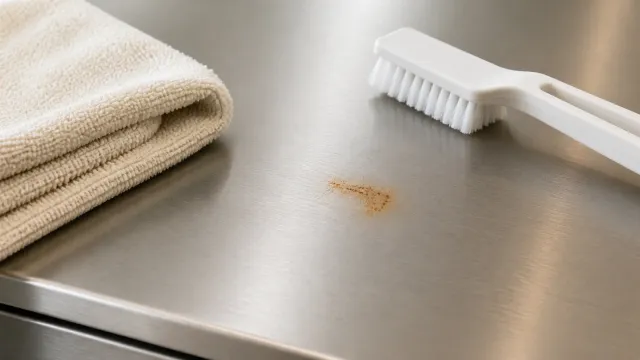
Learn how to remove rust from stainless steel safely by identifying iron transfer, heat tint, active corrosion, or pitting before you clean and rinse.
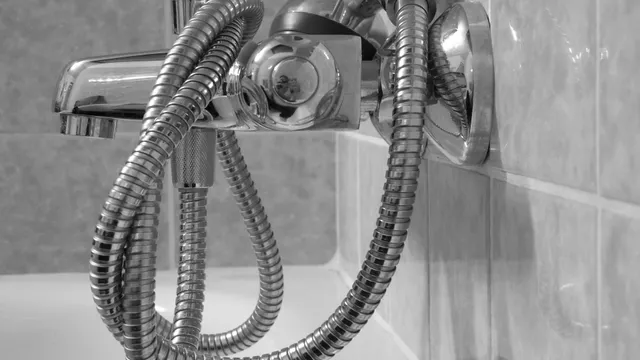
Stainless steel usually resists shower moisture, but grade, finish, chlorides, water deposits, crevices, contamination, and care determine whether it rusts.
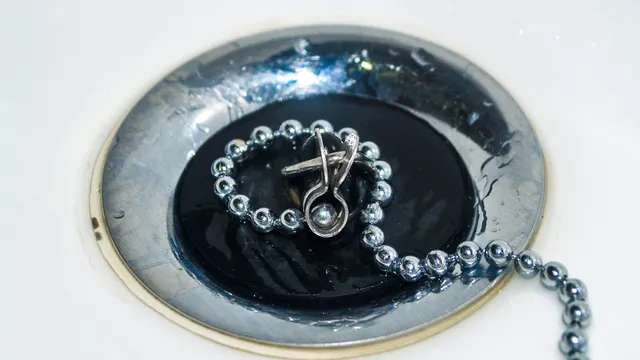
Start with warm water, mild dish soap, and the maker's care guide to restore stainless steel safely. Use only cleaners approved for that exact surface.
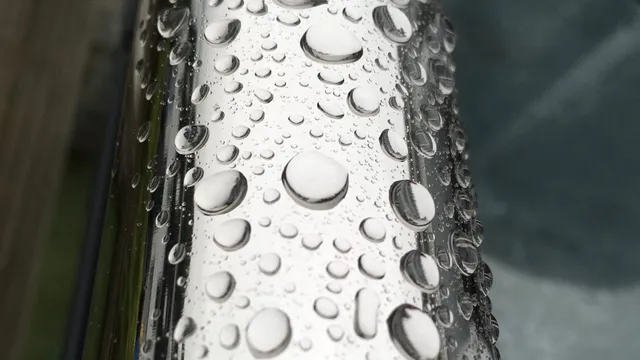
Stainless steel is water-resistant, not waterproof. See how fresh water, salt, chlorine, grade, deposits, and care change its corrosion risk over time.
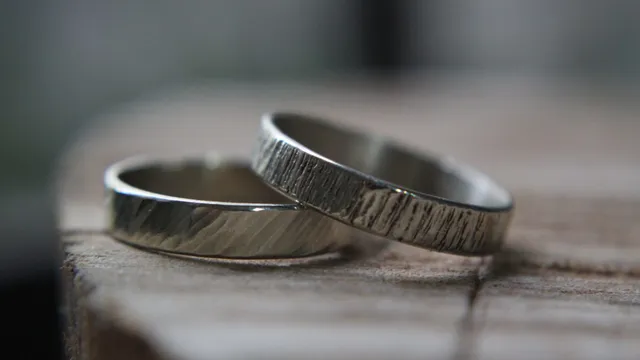
Stainless steel itself rarely turns skin green. A mark often points to copper or brass in mixed-metal jewelry. Learn what the color means and how to prevent it.