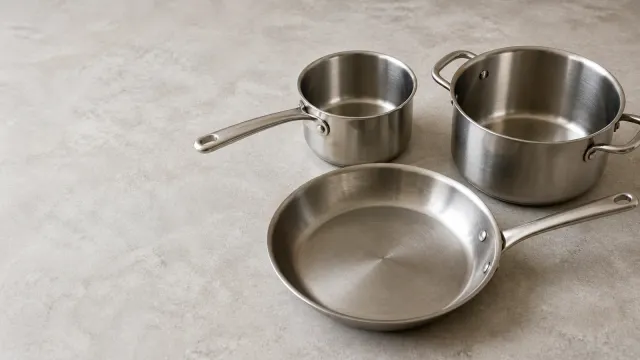
How Long Does Stainless Steel Cookware Last?
Stainless steel cookware has no fixed lifespan. Inspect its surface, base, welds, handles, and care history to decide whether to keep, repair, or replace it.
Page 2 of 5 - 51 posts with this tag
Stainless steel cookware has no fixed lifespan. Inspect its surface, base, welds, handles, and care history to decide whether to keep, repair, or replace it.
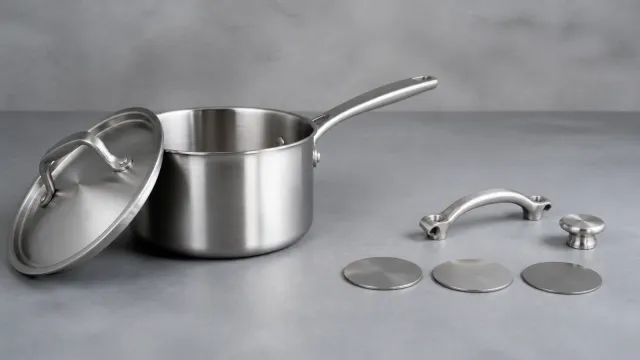
Common cookware stainless grades do not specify lead, but specialty alloys, contamination, and separate components matter. Learn what testing can show.
Stainless steel passivation forms a thin chromium-rich passive film. Learn how natural passivity differs from cleaning, pickling, and chemical treatment.
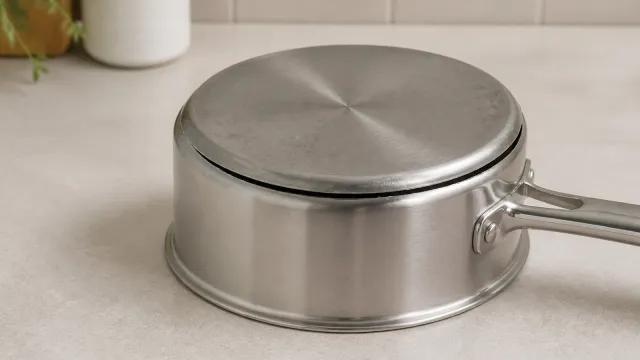
No. If a bonded base is separating, stop using the cookware, document the gap, and contact the manufacturer or retailer for a warranty review or replacement.
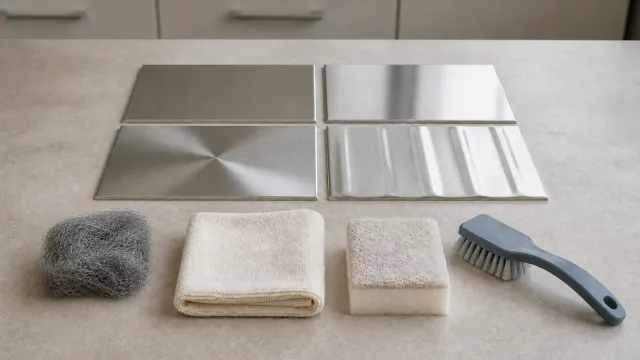
Steel wool can scratch stainless steel and leave iron behind. Compare safer nylon pads, soft brushes, and microfiber cloths, then learn when to stop safely.
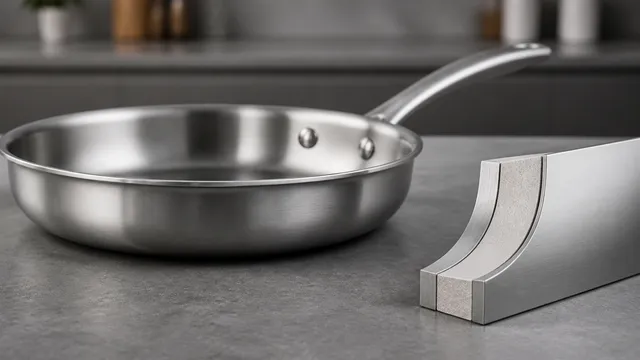
Learn why stainless steel pans use aluminum cores, how fully clad and disc-base construction differ, whether aluminum touches food, and what damage to inspect.
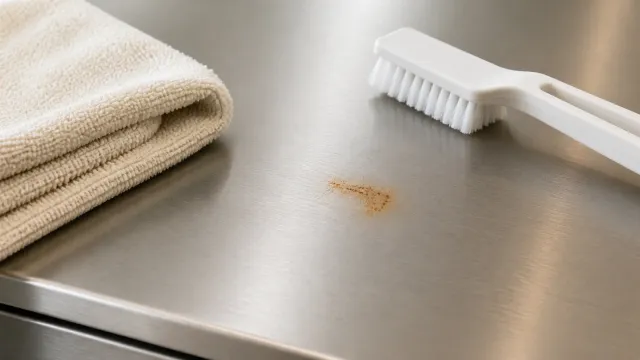
Learn how to remove rust from stainless steel safely by identifying iron transfer, heat tint, active corrosion, or pitting before you clean and rinse.
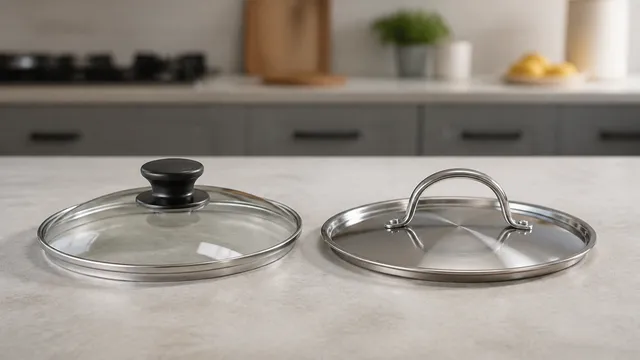
Compare glass and stainless steel cookware lids by visibility, durability, weight, fit, venting, heat limits, cleaning, and everyday cooking use.
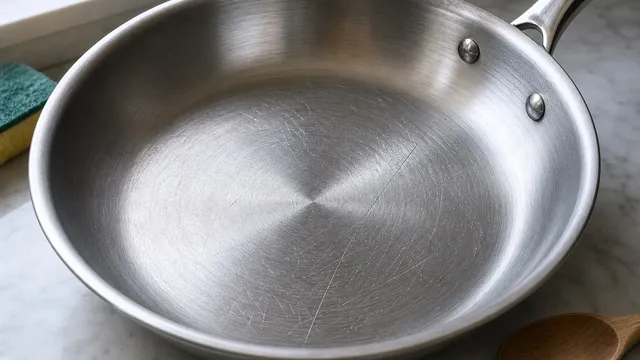
Yes, light scratches on uncoated stainless steel pans are cosmetic and safe. Use a quick fingernail and angled-light check to spot damage that means replace.
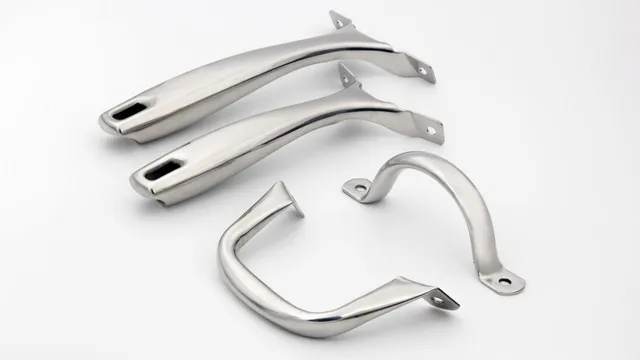
Learn what 18/10 and 18/8 mean, how they affect corrosion and finish, and which cookware construction details matter more when you buy.
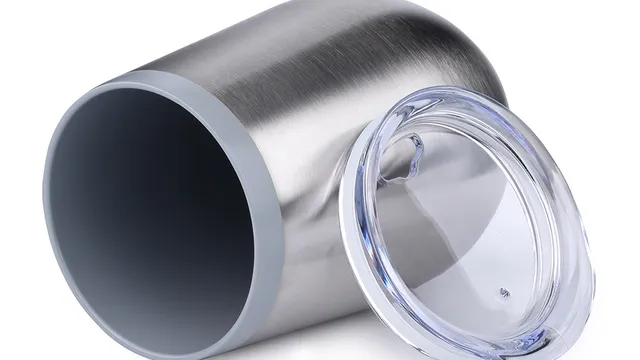
Three-ply cookware is usually lighter and more responsive. Five-ply may feel steadier, but layer count alone does not prove better heat distribution.