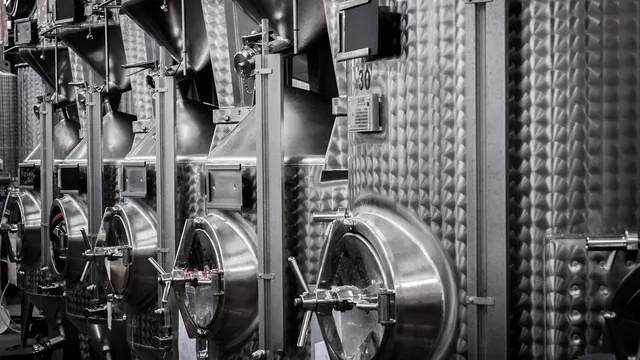
304 vs 316 Stainless Steel: Which Grade Is Better?
Compare 304 and 316 stainless steel by corrosion resistance, cost, magnetism, food use, and the environments where each grade makes sense.
Page 3 of 5 - 51 posts with this tag
Compare 304 and 316 stainless steel by corrosion resistance, cost, magnetism, food use, and the environments where each grade makes sense.

Compare 304 and 430 stainless steel for corrosion resistance, magnetism, food contact, induction cookware, appliances, and flatware.
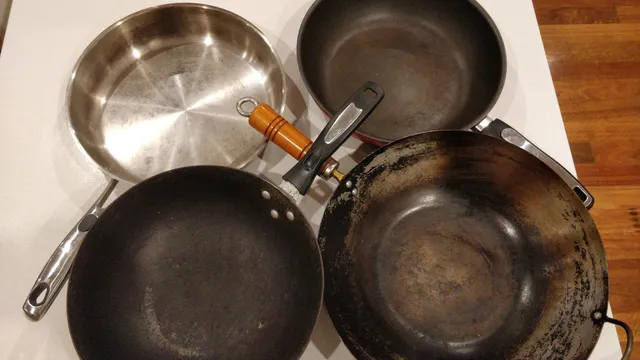
Compare bare aluminum, anodized aluminum, and clad stainless cookware by cooking surface, heat response, weight, care, induction use, and durability.

Compare carbon steel and stainless steel pans by seasoning, maintenance, heat behavior, weight, food compatibility, and cooking style.

Compare cast iron and stainless steel cookware by heat behavior, seasoning, weight, acidic foods, cleanup, and the meals each pan cooks best.
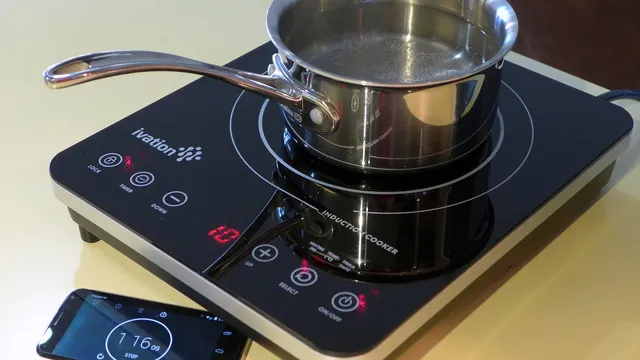
Compare lined copper and clad stainless cookware by temperature response, lining, care, induction use, weight, durability, and everyday value.

Disc-bottom cookware concentrates conductive metal under the base. Fully clad cookware carries it into the walls. The right choice depends on vessel and task.
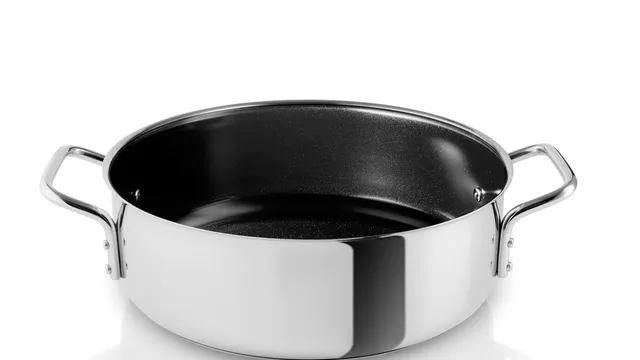
Compare enameled cast iron and stainless steel by heat retention, responsiveness, weight, food compatibility, care, durability, and ideal recipes.

Compare titanium-labeled and stainless steel cookware by construction, cooking surface, weight, durability, heat control, care, and buying value.

Food-grade stainless steel is suitable for a stated food-contact use. Learn why grade, finish, fabrication, and use conditions all matter.

Fully clad cookware bonds conductive and durable metals across the base and sidewalls. Learn when that construction matters and what ply counts miss.