Clean the outside bottom of a stainless steel pan only after it has cooled. Wash off loose grease with warm water, dish soap, and a non-scratch sponge. If marks remain, identify them before using a stronger treatment. Treat the residue on the exterior without damaging the pan’s finish.
The cooking surface and the outside of a pan do not always have the same finish. A polished wall, exposed aluminum edge, painted logo, or copper layer can limit which cleaners are suitable. Check the maker’s instructions for the exact cookware line first.
What is on the bottom of the pan?
Use touch and appearance to separate common marks.
| What you find | Likely cause | First treatment |
|---|---|---|
| Slick or fresh grease | Cooking splatter | Dish soap and warm water |
| Sticky amber or brown film | Polymerized oil | Approved cookware cleanser |
| Raised black material | Burnt food or oil | Warm soak, then a targeted cleanser |
| Smooth gold, blue, or brown color | Heat tint | Ordinary wash, then optional diluted vinegar if approved |
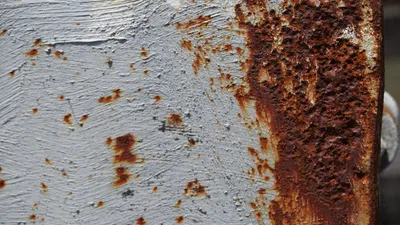
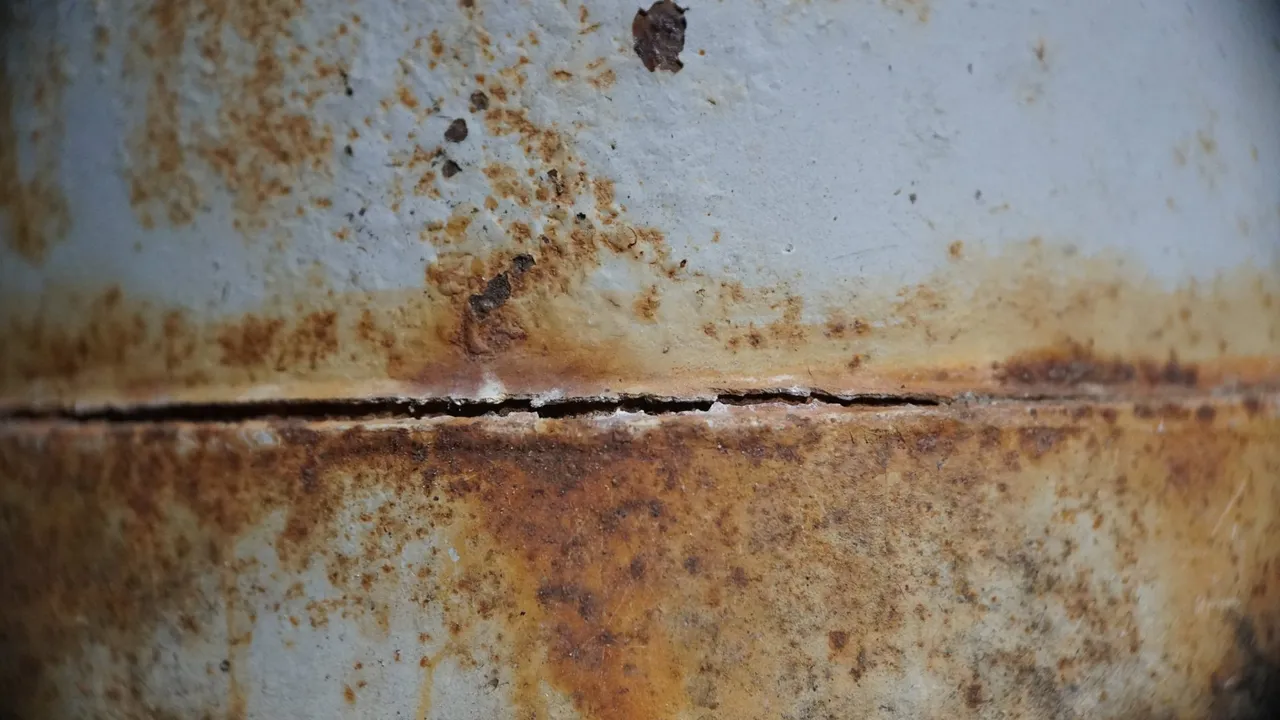
| Orange rough spots | Possible rust or transferred iron | Stop and inspect before polishing |
| Rocking or bulging base | Warping | Stop cleaning and assess the pan |
The full guide to cleaning stainless steel pans routes interior and exterior problems by residue. This page focuses on the exterior bottom, where burner heat and baked-on splatter often overlap.
How do you wash ordinary grease from the exterior?
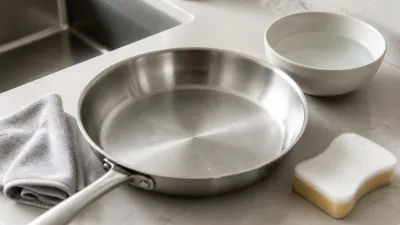
Let the pan cool completely. Put a small amount of dish soap on a wet non-scratch sponge and wash the exterior. Support the handle so the pan does not strike the sink. Rinse it well and towel-dry it.
Repeat that simple wash before moving to an abrasive product. Fresh grease left beneath a cleanser makes it harder to see which marks remain. Calphalon’s cookware care guidance recommends warm sudsy water and a nonabrasive sponge or soft brush for stainless cookware.
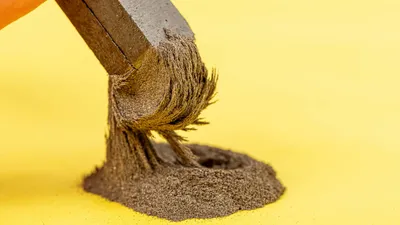
Do not use a knife, metal scraper, or steel wool. Ordinary steel fibers can leave particles behind, and aggressive scraping can alter a polished finish.
How do you remove a sticky brown film from the bottom?
A sticky amber or brown film is often oil that has polymerized under heat. After the soap wash, use a cookware cleanser only if the pan maker permits it on that exterior. Wet the surface, follow the product label, use light pressure, and rinse thoroughly.
Work on the marked area instead of scouring the entire pan. The focused guide to removing burnt oil from stainless steel explains why a bonded oil film needs a different method from brittle burnt food.
For thick black residue, follow the staged soak and spot-treatment approach in how to clean a burnt stainless steel pan. Never mix cleaning products, and rinse fully before changing methods.
How do you treat smooth brown or rainbow color?
If the surface feels clean and smooth, the color may be heat tint rather than residue. Wash first. If the maker permits an acidic treatment on that exterior, wipe briefly with diluted white vinegar and a soft cloth, then rinse and dry.
Color removal is cosmetic. Do not keep increasing abrasion merely to restore a mirror finish. The guide to diagnosing a stainless steel pan that turns brown separates heat color from bonded oil and physical damage. For a broader appearance routine, read how to make stainless steel look new again.
When should you stop cleaning the pan bottom?
Stop if you see separated bonded layers, a loose handle, deep pitting, a bulging base, or a pan that rocks on a flat surface. Cleaner cannot correct structural damage. Do not grind down the base or try to force it flat.
Sudden cooling can distort cookware. The guide to why stainless steel pans warp covers prevention and the warranty information worth collecting.
Once the pan is clean and dry, protect its exterior from contact with other cookware. The guide to storing stainless steel pans explains safe stacking and handle support.
Frequently asked questions
Can baking soda clean the outside bottom of a stainless steel pan?
It may help on compatible bare stainless steel, but it is mildly abrasive. Use it only if the cookware maker allows it on the exact exterior finish. Make a wet paste, use light pressure, test a small area, and rinse fully.
Can you use oven cleaner on a stainless steel pan bottom?
Do not default to oven cleaner. It can be unsuitable for cookware finishes, exposed layers, and food-contact items. Use a product named by the cookware manufacturer and follow its label.
Why does the pan bottom turn black on a gas stove?
Black material may be burnt grease, food, or soot from incomplete combustion. Wash the pan, then check whether the burner flame is mostly blue and operating normally. A persistently yellow, sooty flame needs appliance inspection rather than more pan cleaner.