A stainless steel pan turns brown when cooking oil bakes into a sticky film on the metal (polymerized oil) or when heat thickens the pan’s clear oxide layer until it looks gold or brown (heat tint). Both are usually cosmetic, and each needs a different fix. Wash and dry the cool pan, then run a finger over the mark. A sticky or varnish-like film is oil, and smooth color you cannot feel is heat tint.
Brown color is a diagnosis, not a cleaning method. Do not assume every brown mark is rust, and do not scrub harder until you know what is present. Raised residue, smooth color, rough corrosion, and a separated bonded layer call for different decisions.
Is the brown mark residue or discoloration?
Inspect the pan in good light after an ordinary soap-and-water wash, then match what you see and feel.
| What you see and feel | Likely cause | First fix |
|---|---|---|
| Sticky, slick, or varnish-like brown film | Polymerized oil | Dish soap, then a cookware-approved cleanser |
| Brittle or raised dark material | Burnt food or heavy carbon | Soak in warm soapy water, then loosen gently |
| Smooth gold-to-brown color with no texture | Heat tint | Diluted vinegar if the maker permits it |
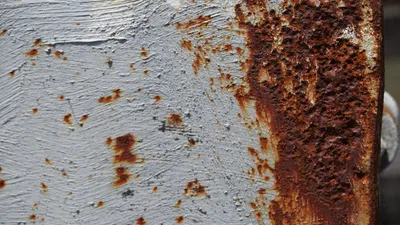
| Rough or powdery orange-brown spots | Rust from transferred ordinary steel, or corrosion | Clean gently, then inspect for pitting |
| A gap, bubble, or changed shape | Structural damage | Stop cleaning and contact the maker |
For burnt food, follow how to clean a burnt stainless steel pan. The diagnosis table in how to clean stainless steel pans covers the full set of common residues.
Why did my stainless steel pan turn brown after the first use?
A new pan has a uniform finish, so the first round of high heat shows up clearly. Preheating an empty pan for too long can tint the cooking surface gold or brown. Oil that splatters onto the sides or the exterior bottom can also bake into a thin brown film during that first meal.
Neither result means the pan is defective. Chantal names polymerized oil and burnt-on food as the usual causes of brown marks and lists an empty pan preheated for too long as a trigger for heat discoloration. Use the touch test above, clean the mark with the matching method, and preheat over medium heat next time.
Why does cooking oil leave a brown film?
Oil can polymerize when a thin layer remains on hot metal. America’s Test Kitchen explains that overheated oil breaks down and scorches into a sticky residue. The resulting film bonds to the surface instead of wiping away like fresh grease. It commonly develops around a pan’s sides or exterior where splatter repeatedly reheats.
Start with dish soap to remove loose grease. If a bonded film remains, use the steps in how to remove burnt oil from stainless steel. A cleanser approved for food-contact stainless cookware is more appropriate than an appliance polish.
Repeated high heat can make the problem return. Use enough heat for the cooking task, wipe exterior splatter after the pan cools, and avoid letting an oiled pan sit empty over a burner.
Can heat turn stainless steel brown?
Yes. Heating changes the thickness of the protective oxide layer on stainless steel. Reflected light can make the clean surface appear gold, brown, blue, or rainbow-colored. Smooth heat tint is usually cosmetic.
All-Clad’s care guidance describes vinegar as a treatment for discoloration on compatible stainless cookware. Check the exact pan’s instructions, use diluted vinegar briefly if permitted, then rinse and dry. The related guide to rainbow stains on stainless steel pans explains this color effect in more detail.
How do you clean brown marks on the outside bottom?
Wash loose grease first. For sticky film, use a maker-approved cookware cleanser with a wet non-scratch sponge. For a clean, smooth tint, use the maker-approved discoloration treatment. Do not use one aggressive method for both.
The step-by-step guide to cleaning the outside bottom of stainless steel pans accounts for polished exteriors, exposed bonded edges, and heavy burner residue. Stop if the base rocks or its layers appear to separate.
Does a brown pan need to be replaced?
Cosmetic tint or removable oil film alone does not mean a bare stainless steel pan has failed. Replacement becomes a concern when the base is badly distorted, bonded layers separate, a food-contact coating peels, deep corrosion develops, or a handle cannot be tightened safely.
Do not try to erase structural evidence before contacting the maker. Photograph the clean, dry pan on a flat surface, record its model and purchase information, and review its warranty. The guide to why stainless steel pans warp explains how to assess a rocking base without trying to flatten it.
Proper storage will not reverse discoloration, but it can prevent new exterior scratches and trapped moisture. See how to store stainless steel pans after the pan is clean and fully dry.
Frequently asked questions
Is it safe to cook in a brown or discolored stainless steel pan?
Usually, yes. Smooth heat tint and removable oil film are appearance and cleaning issues, not proof of unsafe cookware. All-Clad describes heat discoloration as cosmetic and says it does not usually affect how the pan performs. Clean off a sticky oil film before cooking so it does not keep building up. Stop using a pan with peeling food-contact material, separated layers, severe pitting, or an unstable handle and ask the manufacturer to assess it.
Is brown discoloration the same as rust?
No. Heat tint is smooth, while rust is often orange-brown and rough or powdery. Ordinary steel particles left by steel wool can also rust on top of stainless steel. Wash the pan and inspect the underlying surface rather than judging by color alone.
Will vinegar remove every brown mark?
No. Diluted vinegar may reduce compatible heat tint, but it does not reliably remove a thick polymerized oil film or repair damage. Use the treatment that matches the diagnosed mark.