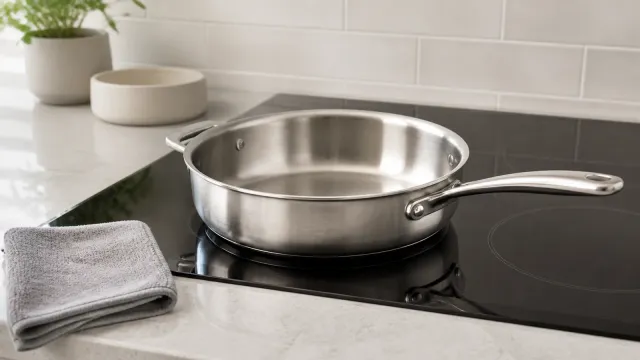
Do Stainless Steel Pans Scratch Glass Cooktops?
Stainless steel pans usually do not scratch glass cooktops when clean and lifted, but grit, burrs, sliding, impact, heat, and sugar can damage the surface.
30 posts with this tag
Stainless steel pans usually do not scratch glass cooktops when clean and lifted, but grit, burrs, sliding, impact, heat, and sugar can damage the surface.
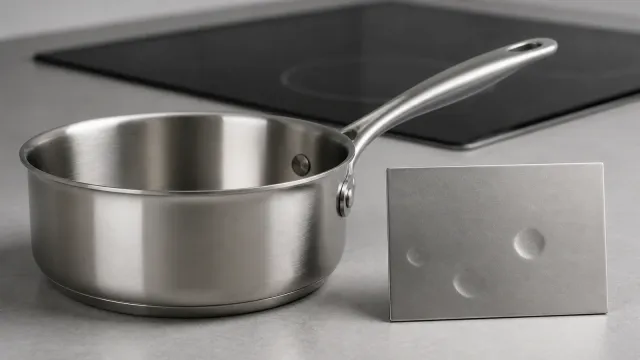
Learn why chloride, salt concentration, heat, deposits, and surface condition can cause pitting in stainless cookware and when to seek maker assessment.
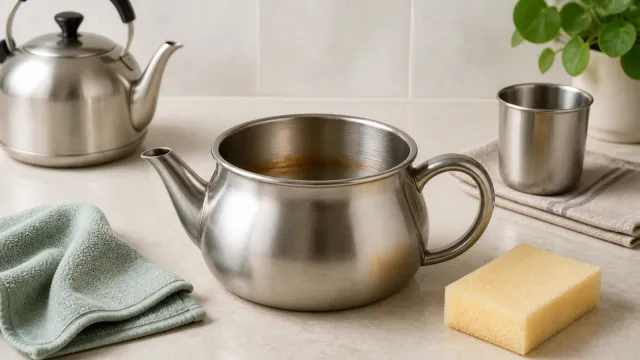
Learn how to remove tea stains from stainless steel with mild soap, a maker-approved washing-soda step, careful rinsing, and a finish-safe stain diagnosis.
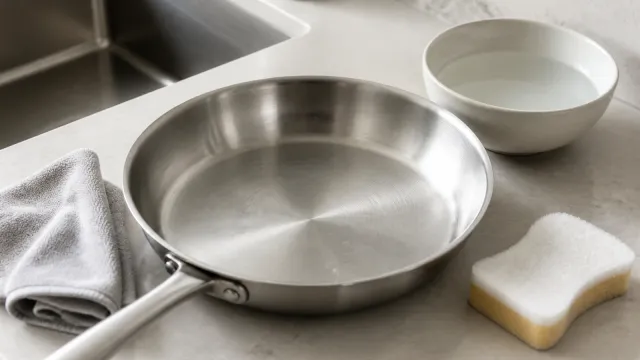
Bar Keepers Friend can work on compatible bare stainless steel, but variants and finish-maker directions control use, contact time, rinsing, and safety.
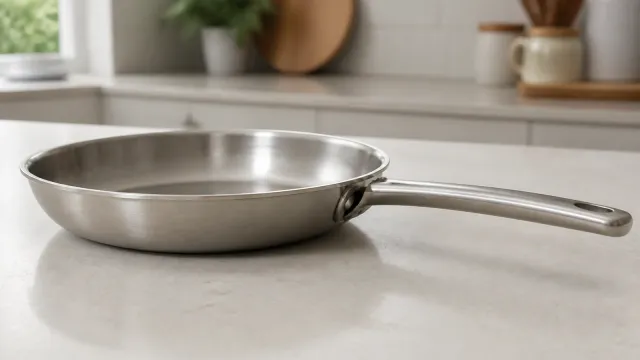
Do not cook with a loose pan handle. Learn when maker-approved tightening is reasonable, when to stop using the pan, and how to seek repair or replacement.
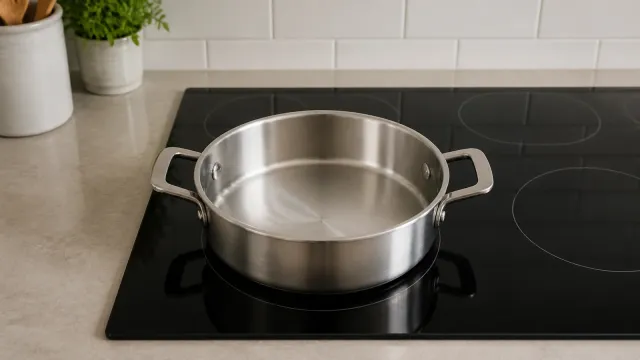
Does stainless steel cookware work on a glass top stove? Learn when a flat, clean base is suitable, how to lift pans, and why radiant glass is not induction.
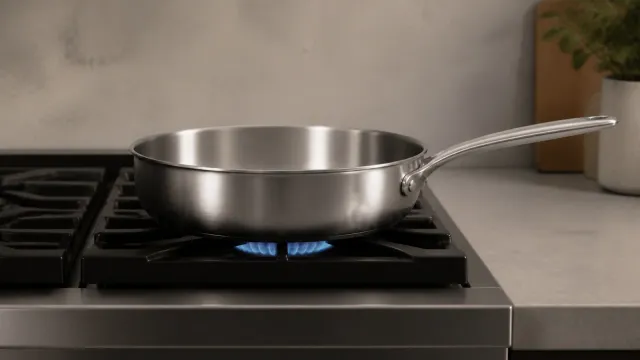
Stainless steel cookware can go on a gas stove when the pan is stable and the maker permits it. Learn how flame size, handles, heat, and care affect use.
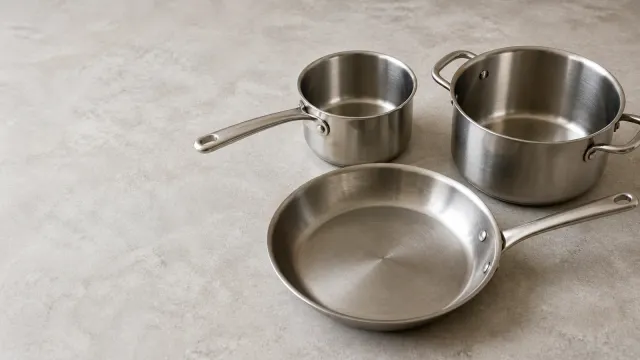
Stainless steel cookware has no fixed lifespan. Inspect its surface, base, welds, handles, and care history to decide whether to keep, repair, or replace it.
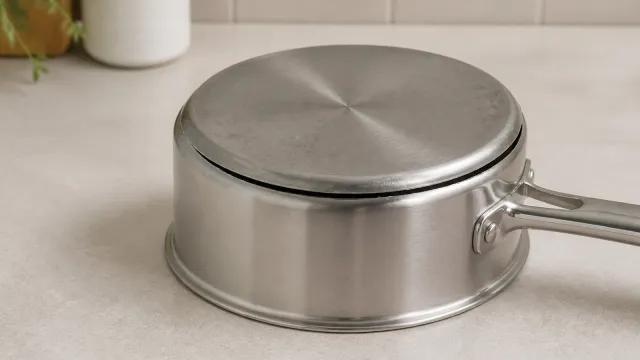
No. If a bonded base is separating, stop using the cookware, document the gap, and contact the manufacturer or retailer for a warranty review or replacement.
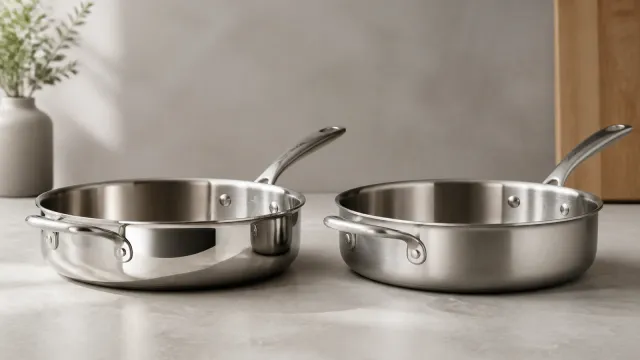
Brushed cookware hides small marks better, while polished cookware looks brighter. Compare scratch visibility, cleanup, heat tint, and food-contact surfaces.
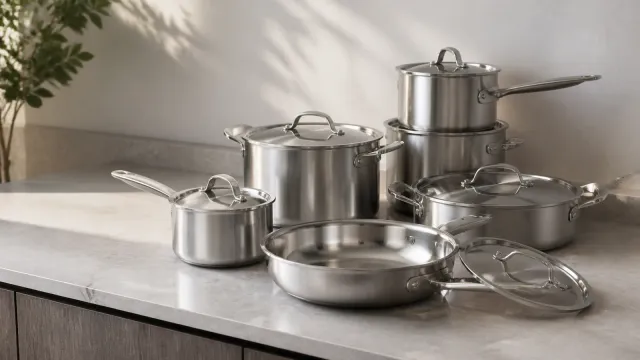
Compare dishwasher-safe stainless steel cookware by exact maker permission, lids, handles, finish caveats, materials, warranty limits, and current availability.