Disc Bottom vs Fully Clad Cookware
Disc-bottom cookware concentrates conductive metal under the base. Fully clad cookware carries it into the walls. The right choice depends on vessel and task.
Page 10 of 12 - 124 posts with this tag
Disc-bottom cookware concentrates conductive metal under the base. Fully clad cookware carries it into the walls. The right choice depends on vessel and task.

Nickel can migrate from some stainless cookware. See what studies measured, which cooking conditions matter, and practical choices for nickel sensitivity.
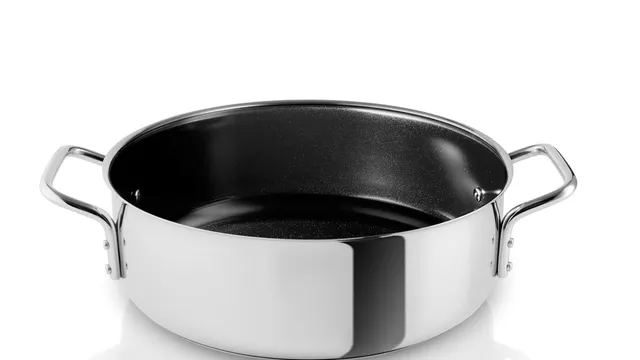
Compare enameled cast iron and stainless steel by heat retention, responsiveness, weight, food compatibility, care, durability, and ideal recipes.

Compare hard-anodized and stainless steel cookware by cooking surface, release, weight, durability, acidic foods, induction use, care, and replacement.
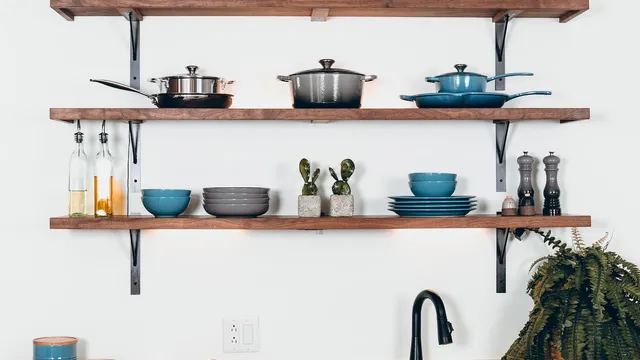
Store stainless steel pans clean and dry, with stable handle support and soft separators when stacking would rub polished surfaces or other coatings.

Choose a saucepan for liquids and small portions or a sauté pan for browning and one-pan meals. Compare shape, capacity, evaporation, and handling.

Compare stainless steel and nonstick cookware by food release, browning, durability, heat limits, care, and the jobs each surface handles best.
Compare titanium-labeled and stainless steel cookware by construction, cooking surface, weight, durability, heat control, care, and buying value.
Fully clad cookware bonds conductive and durable metals across the base and sidewalls. Learn when that construction matters and what ply counts miss.

A 12-inch stainless frying pan suits most households, while 10-inch and 8-inch pans fit smaller portions. Choose by flat cooking area and burner size.
Stainless pans warp when one area heats or cools faster than the rest. Learn to judge a warp, why DIY fixes risk clad pans, and which bases resist it.