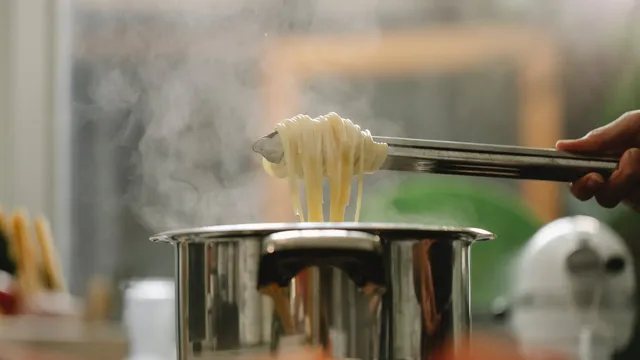
The Pros and Cons of Stainless Steel Cookware
Stainless cookware is durable, versatile, and good for browning, but it can stick, heat unevenly, feel heavy, and cost more. Construction drives performance.
Page 4 of 5 - 51 posts with this tag
Stainless cookware is durable, versatile, and good for browning, but it can stick, heat unevenly, feel heavy, and cost more. Construction drives performance.
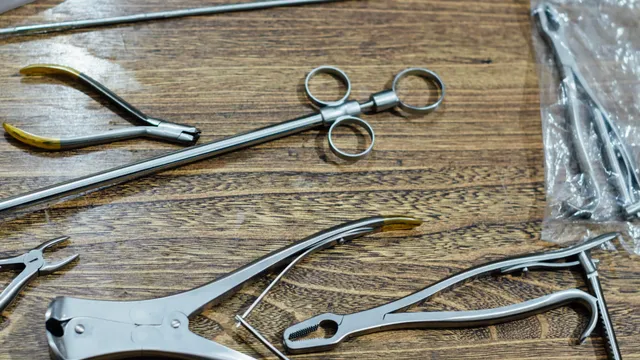
Stainless steel bends with the right grade, radius, and tooling. Learn how thickness, work hardening, and springback change a successful bend.
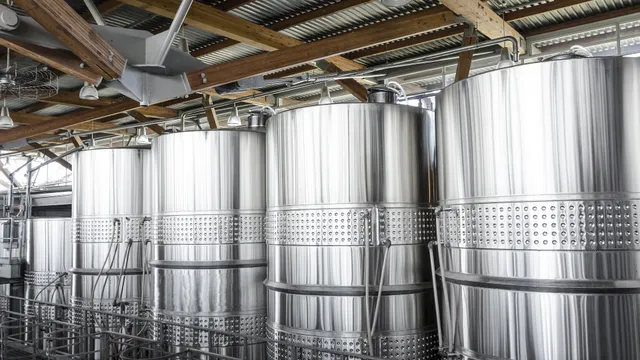
Clean, intact stainless drinkware made for wine is generally suitable. Cup shape, temperature, rim contact, and residue can change how the wine tastes.
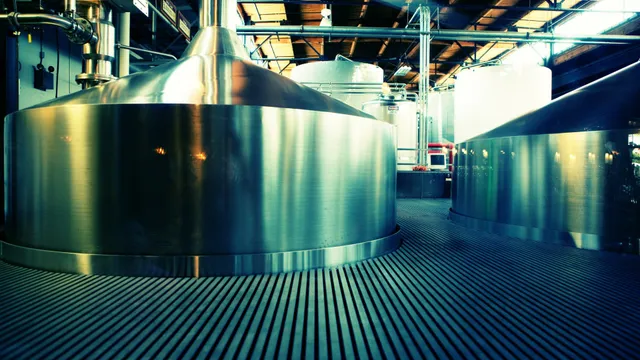
An intact stainless cup made for beer is suitable, but sealed growlers must be pressure-rated. Cleanliness, temperature, shape, and rim can affect flavor.
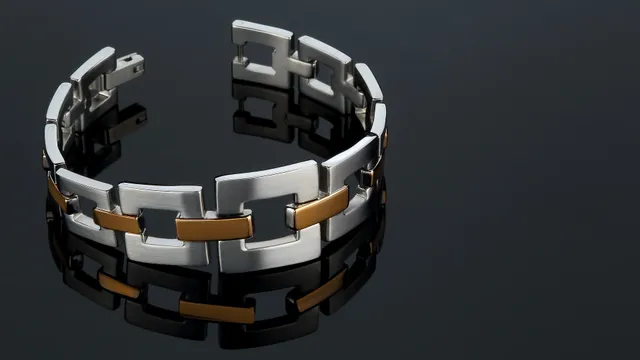
Stainless steel jewelry is not automatically hypoallergenic. Grades 304 and 316L contain nickel, so sensitive wearers should check nickel-release claims.
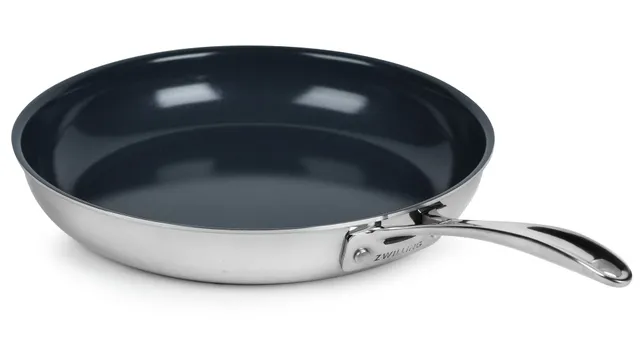
Ceramic coatings can add a nonstick surface to stainless cookware, but formula, durability, oven limits, damage response, and care vary by exact product.
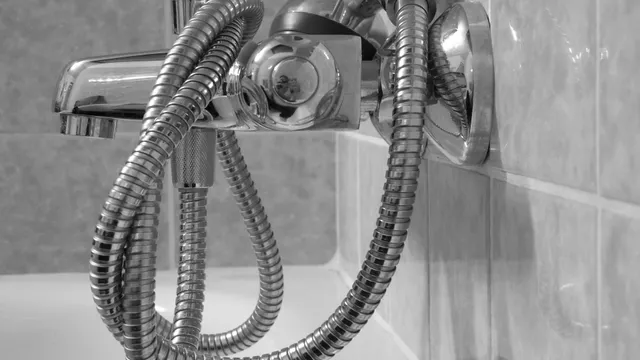
Stainless steel usually resists shower moisture, but grade, finish, chlorides, water deposits, crevices, contamination, and care determine whether it rusts.
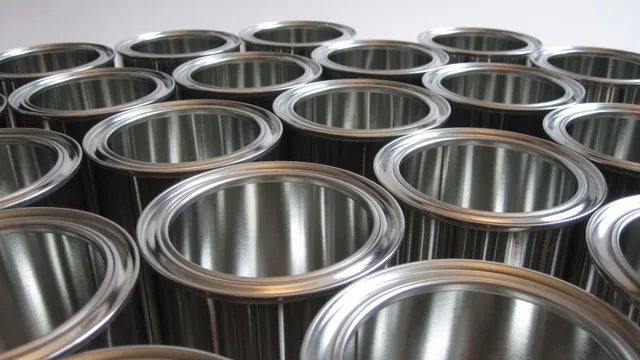
Yes, you can powder coat stainless steel. It adds color, texture, and corrosion resistance, but the smooth surface needs proper prep so the coating sticks.

Metal detectors can detect stainless steel. Whether an item triggers an alarm depends on its alloy, size, shape, orientation, detector type, and settings.
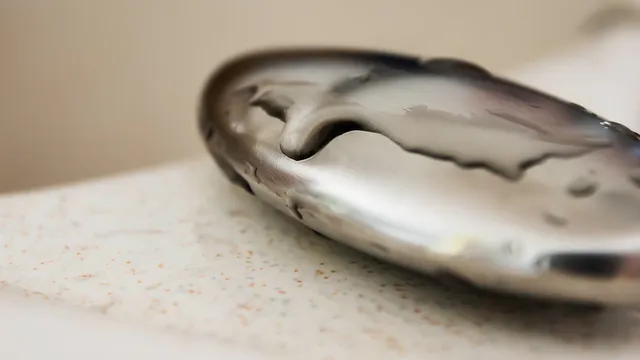
Stainless steel soap may reduce garlic or onion odor, but strong controlled evidence is lacking. See the proposed mechanism and why it cannot replace soap.
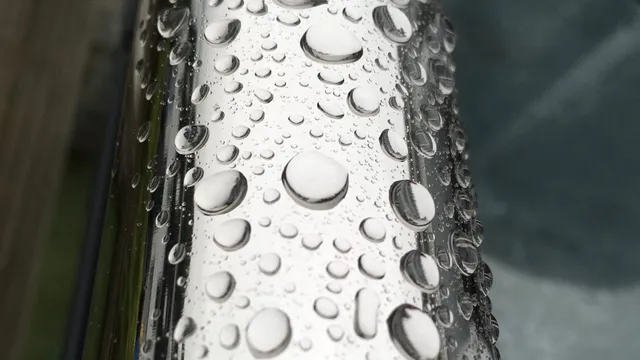
Stainless steel is water-resistant, not waterproof. See how fresh water, salt, chlorine, grade, deposits, and care change its corrosion risk over time.