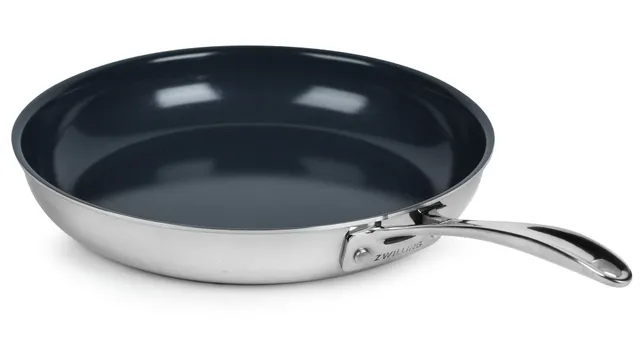
Can Stainless Steel Be Ceramic Coated?
Ceramic coatings can add a nonstick surface to stainless cookware, but formula, durability, oven limits, damage response, and care vary by exact product.
Page 20 of 21 - 229 posts by this author
Ceramic coatings can add a nonstick surface to stainless cookware, but formula, durability, oven limits, damage response, and care vary by exact product.
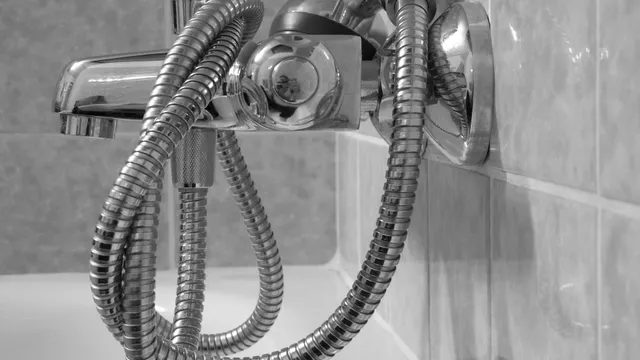
Stainless steel usually resists shower moisture, but grade, finish, chlorides, water deposits, crevices, contamination, and care determine whether it rusts.
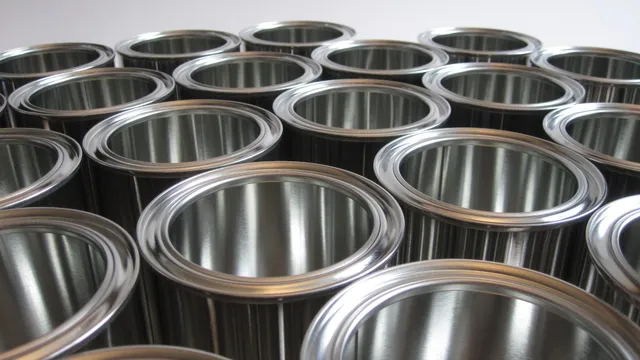
Yes, you can powder coat stainless steel. It adds color, texture, and corrosion resistance, but the smooth surface needs proper prep so the coating sticks.

Metal detectors can detect stainless steel. Whether an item triggers an alarm depends on its alloy, size, shape, orientation, detector type, and settings.
Put soda or sparkling water in a stainless steel bottle only when its maker approves the exact bottle and lid. Carbonation can pressurize the closure.
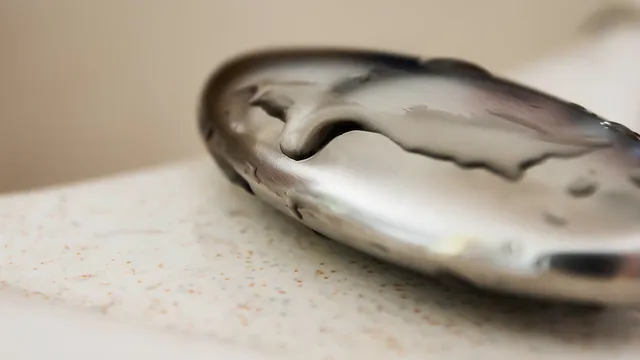
Stainless steel soap may reduce garlic or onion odor, but strong controlled evidence is lacking. See the proposed mechanism and why it cannot replace soap.
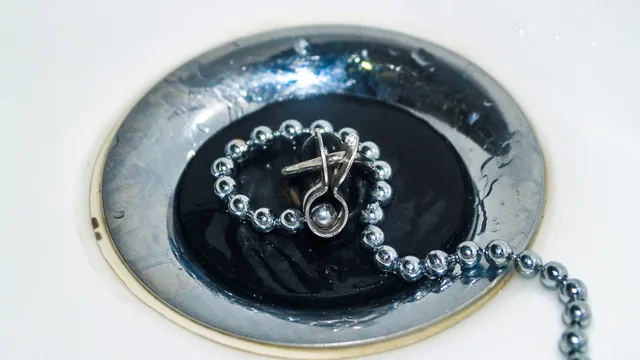
Start with warm water, mild dish soap, and the maker's care guide to restore stainless steel safely. Use only cleaners approved for that exact surface.
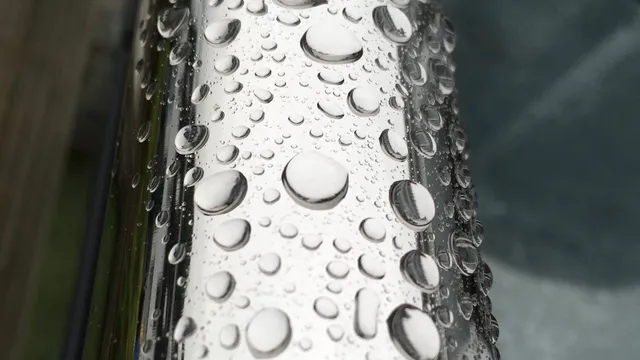
Stainless steel is water-resistant, not waterproof. See how fresh water, salt, chlorine, grade, deposits, and care change its corrosion risk over time.
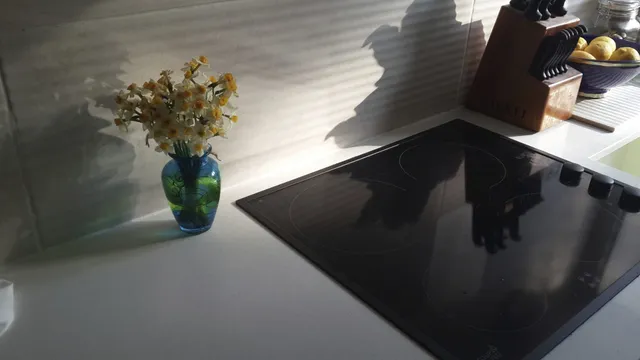
Stainless steel works on induction if the pan base is magnetic. Use the 10-second magnet test and see why 430 works while 304 alone may not in daily use.
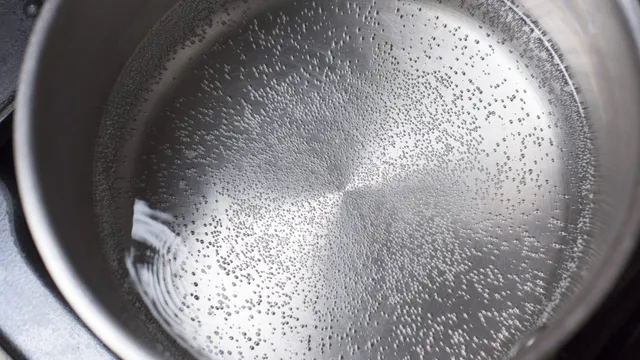
A stainless steel pan is ready when it reaches the heat your recipe needs and the oil flows easily. A water-bead test is optional, not a universal target.
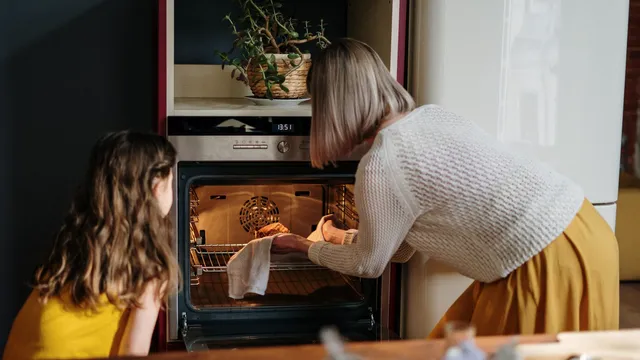
Stainless steel can go in the oven when every part of the pan is rated for the temperature. Check the handle, lid, coating, and exact manufacturer limit.