Stainless steel is the better foundation for most kitchens because it browns well, tolerates deglazing, and has no nonstick layer to wear out. Nonstick is the better specialist for eggs, pancakes, and delicate fish when easy release matters most.
Most cooks do not need to choose one surface exclusively. Build around stainless steel, then add one nonstick skillet in the size you use for delicate food. This is a surface-system decision, not a ranked frying-pan review.
Stainless steel vs nonstick at a glance
| Decision | Stainless steel | Nonstick | Better choice |
|---|---|---|---|
| Easy release | Needs heat, fat, and timing | Releases delicate food easily when sound | Nonstick |
| Browning and fond | Strong browning and deglazing | Designed to reduce attachment | Stainless steel |
| Surface life | No coating to exhaust | Coating performance declines with wear | Stainless steel |
| High heat | Product limit still applies | Avoid empty preheating and high heat | Stainless steel |
| Cleaning | May need soaking or cleaner | Usually quick with gentle tools | Nonstick |
| Best role | Sauces, searing, sautéing, boiling | Eggs, crepes, pancakes, delicate fish | Different jobs |
Food release
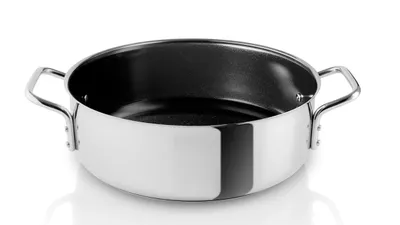
Nonstick wins when the meal must release with little technique. Its coating separates food from the metal body, so eggs and pancakes need less fat and fewer adjustments. The benefit depends on an intact surface used within the maker’s instructions.
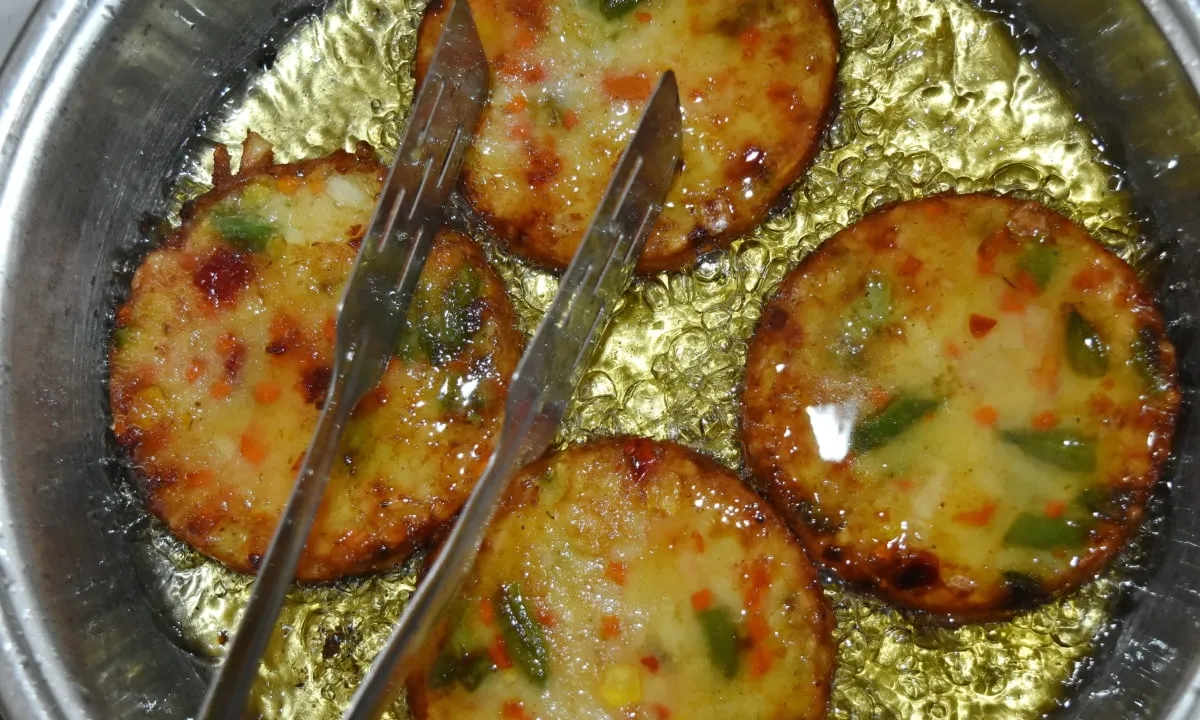
Stainless steel can release food cleanly, but it is not passive. Preheat with control, add fat, and let a protein form a crust before moving it. Our stainless steel sticking guide covers that method. The separate stainless frying-pan guide answers whether this pan shape suits everyday cooking.
Winner: Nonstick for delicate food and low-effort release.
Browning and sauces
Stainless steel wins for searing and pan sauces. Food can attach long enough to brown and leave fond, which liquid then dissolves during deglazing. Nonstick can color food, but its reduced attachment works against fond production.
Pan construction still matters. A quality stainless pan normally bonds the steel cooking surface to aluminum or copper that spreads burner heat. Read what fully clad cookware means before treating the visible metal as the whole pan.
Winner: Stainless steel.
Heat limits and safety
Health Canada advises against preheating empty nonstick cookware or using it over high heat, including temperatures above 260°C (500°F). Follow the lower limit if the pan maker specifies one. Ventilate the kitchen during cooking and replace a coating that is peeling or otherwise badly damaged.
Bare stainless has no coating to overheat, but its handle, lid, bonded layers, and oven rating still impose limits. It may release small amounts of nickel or chromium under some conditions. Food-grade stainless steel describes intended food-contact use, not a promise that every alloy is inert for every person.
Winner: Stainless steel for high-heat flexibility; either can serve normal cooking when sound and used as directed.
Durability and care
An uncoated stainless cooking surface can be scrubbed more firmly and does not lose a release coating. Scratches and heat tint often affect appearance rather than cooking function. Stuck residue may take soaking, simmered water, or a suitable cleaner.
Nonstick is easier to wash while its surface performs well. Use the utensils, heat, and dishwasher routine its maker permits. Do not assume a “PFOA-free” label means PFAS-free: PFOA was one member of the wider PFAS family, and PTFE is another fluoropolymer in that family.
Winner: Stainless steel for service life; nonstick for easy daily cleanup.
Which should you buy?
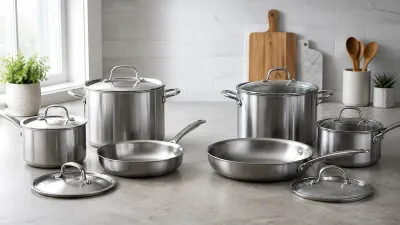
Choose stainless steel if you cook meat, tomato sauce, wine reductions, sautéed vegetables, or meals that move from stovetop to oven. Compare finished construction in our best stainless steel cookware sets rather than choosing by ply count alone.
Choose nonstick for eggs, crepes, pancakes, and delicate fish. Buy only the pieces that perform those jobs. Our aluminum comparison explains why a nonstick pan’s metal body is a separate question from its cooking surface.
If you want to keep using an uncoated pan, start with the foods that are least forgiving in stainless steel, then use the focused method for cooking eggs without sticking. Use stainless steel utensils only on surfaces whose maker permits metal tools.
Other specialist surfaces may suit different habits. Compare titanium-labeled cookware, copper cookware, enameled cast iron, and hard-anodized cookware when those traits matter more than easy release alone.
The same surface distinction applies to appliances and inserts. Our scheduled guides identify the exact steel and coated parts in stainless steel air fryers, rice cookers with stainless inner pots, stainless pressure cookers, and stainless double boilers rather than treating a silver exterior as proof of an uncoated cooking vessel.
Final verdict
Choose stainless steel as the durable, broad-use core of a kitchen. Add nonstick narrowly for foods that reward easy release. If you specifically want an inorganic sol-gel coating, our ceramic versus stainless comparison treats that category separately, and the ranked stainless frying pans page handles product selection.
This is a research-based comparison, not a hands-on test. Guidance was reviewed July 11, 2026.
Sources
- Health Canada, The safe use of cookware and bakeware (retrieved 2026-07-11)
- All-Clad, Pro Nonstick materials and construction (retrieved 2026-07-11)