Can You Use Bleach on Stainless Steel?
Bleach is usually a poor choice for stainless steel. Learn when maker-approved disinfection fits, what to do after contact, and when pitting needs inspection.
Page 2 of 3 - 29 posts with this tag
Bleach is usually a poor choice for stainless steel. Learn when maker-approved disinfection fits, what to do after contact, and when pitting needs inspection.
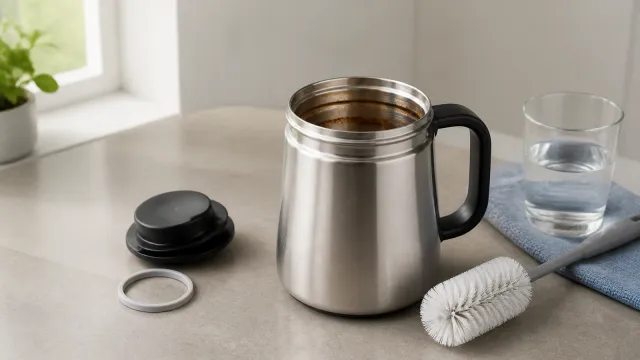
Remove coffee stains from stainless steel with mild soap first, then match any deeper treatment to the maker's rules for the body, lid, gasket, and seams.
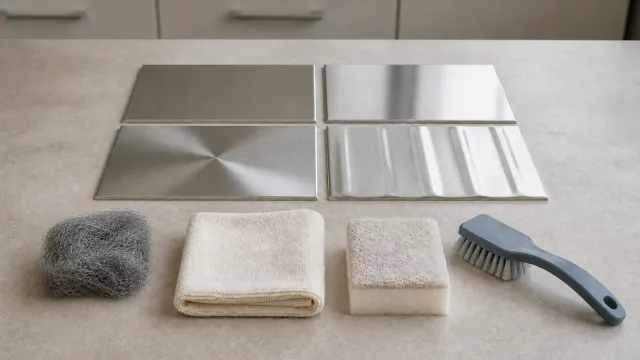
Steel wool can scratch stainless steel and leave iron behind. Compare safer nylon pads, soft brushes, and microfiber cloths, then learn when to stop safely.
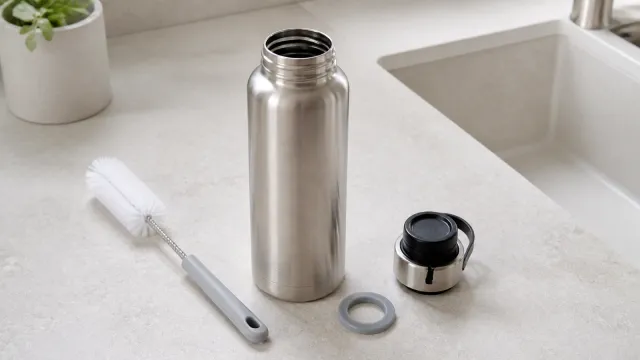
Learn how to clean a stainless steel water bottle, including the body, neck, cap, gasket, straw, odor film, residue, rinsing, drying, and replacement limits.
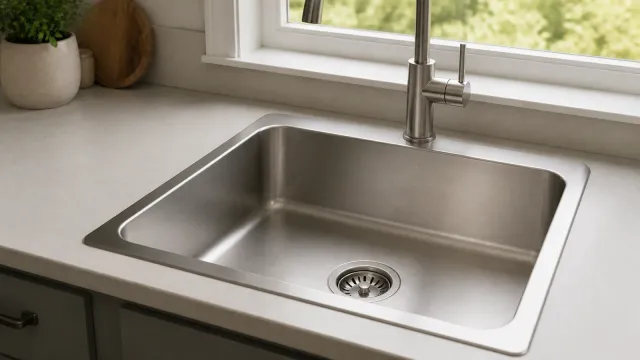
Blend light scratches in a stainless steel sink by matching its finish and grain, then stop when a gouge, coating, or unknown damage needs the maker's advice.
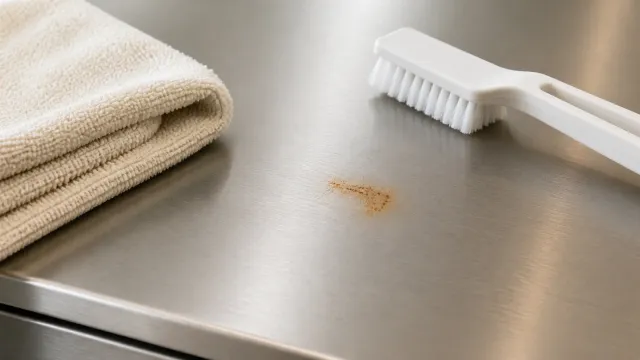
Learn how to remove rust from stainless steel safely by identifying iron transfer, heat tint, active corrosion, or pitting before you clean and rinse.
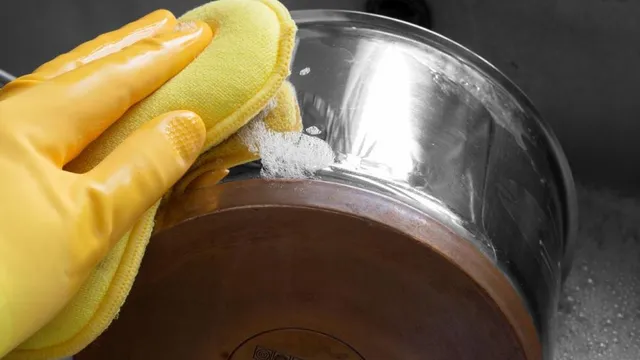
Some stainless pans are dishwasher safe, but the exact construction and care guide control. Learn what to check and when to hand wash.
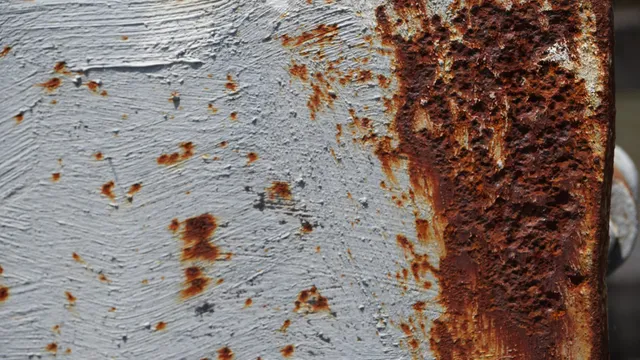
Clean a burnt stainless steel pan by cooling it, soaking it in warm soapy water, loosening residue gently, then treating only the marks that remain.
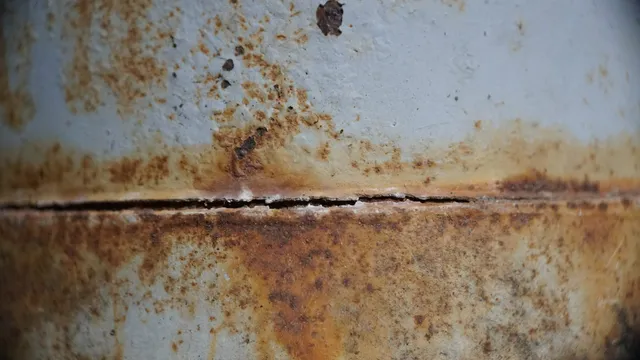
Clean a stainless steel pan bottom by identifying grease, burnt oil, or heat color, then treating only that residue with a finish-safe method.
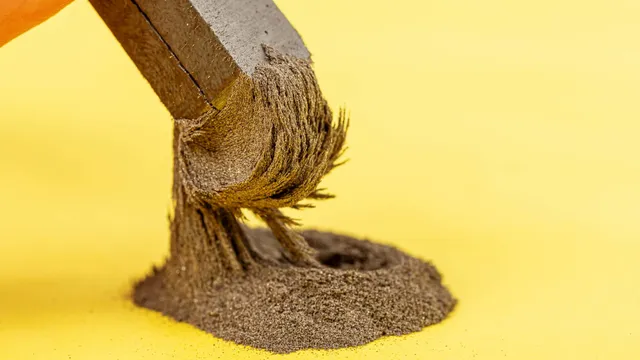
Clean stainless steel pans by identifying the residue first, starting with soap and water, and using a targeted treatment only for marks that remain.
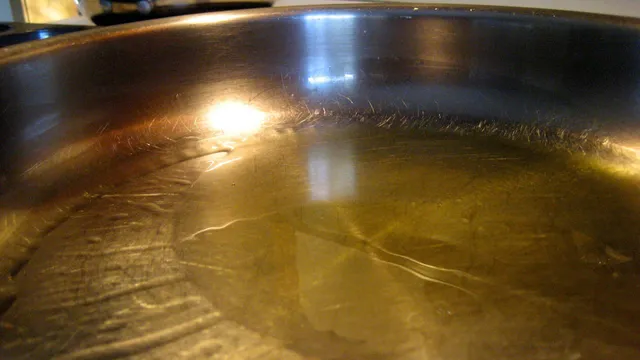
Remove burnt oil from stainless steel by washing off loose grease, softening the film, then using a cookware-approved cleanser with light pressure.