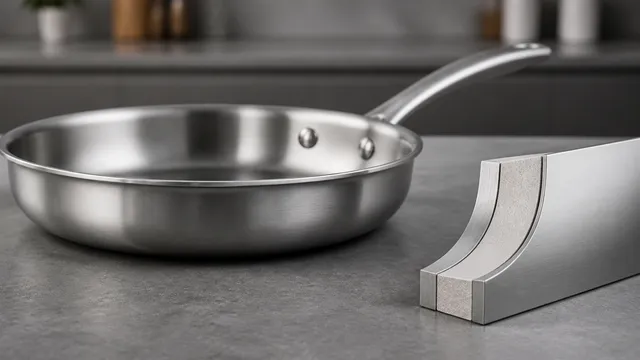
Why Do Stainless Steel Pans Have Aluminum Cores?
Learn why stainless steel pans use aluminum cores, how fully clad and disc-base construction differ, whether aluminum touches food, and what damage to inspect.
Page 2 of 3 - 30 posts with this tag
Learn why stainless steel pans use aluminum cores, how fully clad and disc-base construction differ, whether aluminum touches food, and what damage to inspect.
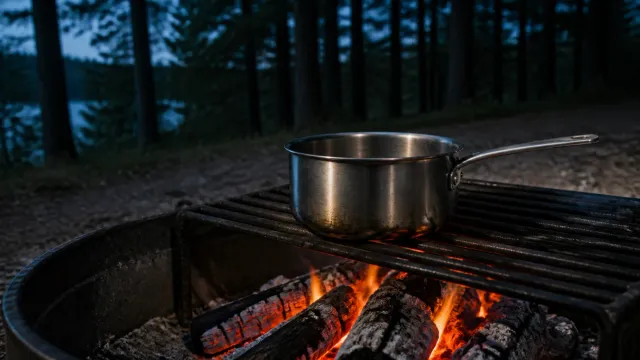
You can use stainless steel cookware on a permitted campfire, but direct flame, unstable support, coatings, handles, soot, and thermal shock set strict limits.
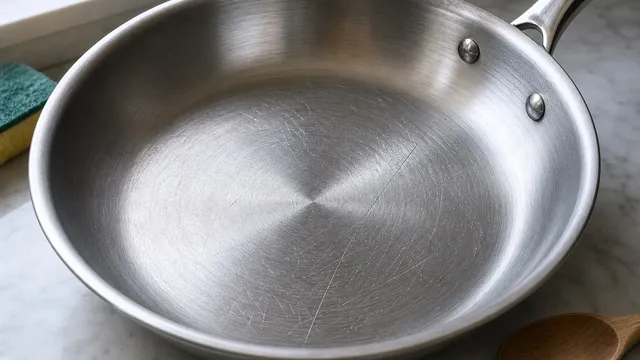
Yes, light scratches on uncoated stainless steel pans are cosmetic and safe. Use a quick fingernail and angled-light check to spot damage that means replace.
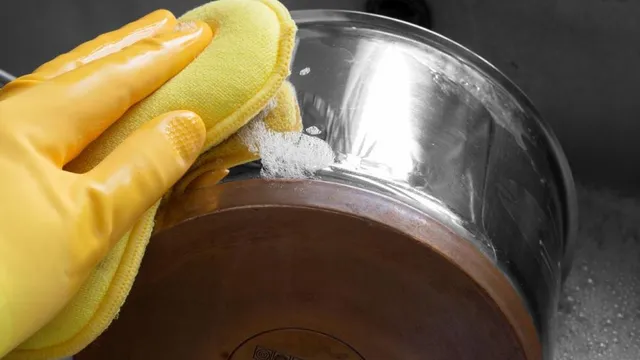
Some stainless pans are dishwasher safe, but the exact construction and care guide control. Learn what to check and when to hand wash.
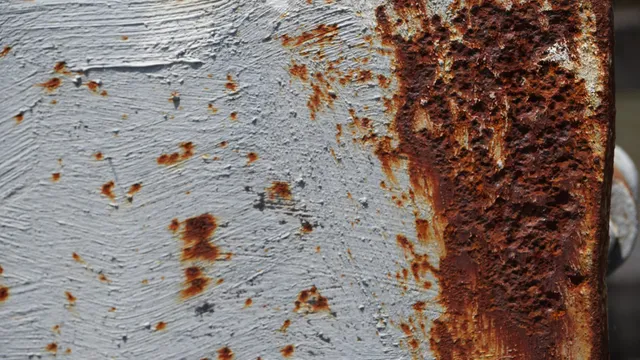
Clean a burnt stainless steel pan by cooling it, soaking it in warm soapy water, loosening residue gently, then treating only the marks that remain.
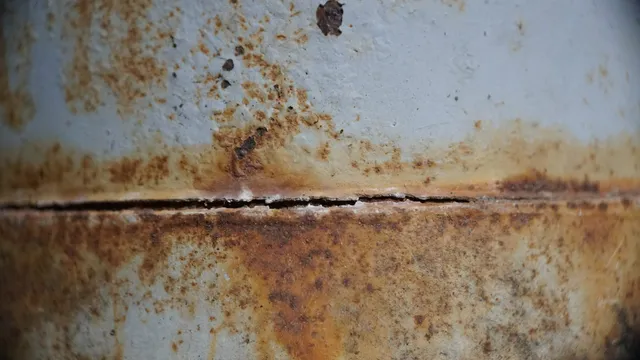
Clean a stainless steel pan bottom by identifying grease, burnt oil, or heat color, then treating only that residue with a finish-safe method.
Clean stainless steel pans by identifying the residue first, starting with soap and water, and using a targeted treatment only for marks that remain.
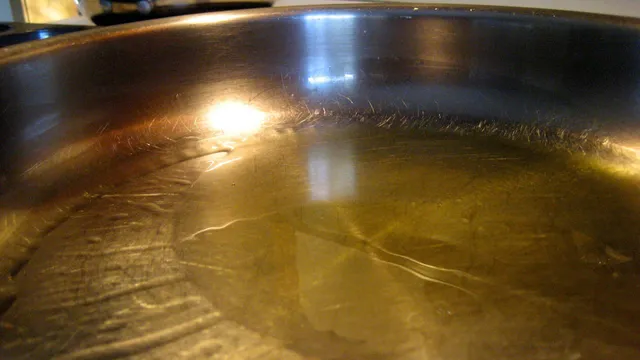
Remove burnt oil from stainless steel by washing off loose grease, softening the film, then using a cookware-approved cleanser with light pressure.
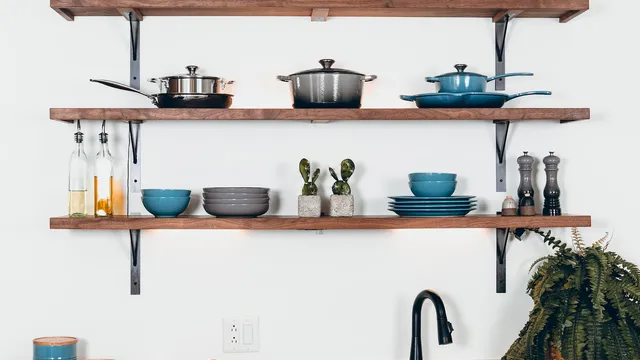
Store stainless steel pans clean and dry, with stable handle support and soft separators when stacking would rub polished surfaces or other coatings.
Rainbow stains on stainless steel pans are usually heat tint. Wash the pan, then use diluted vinegar if the cookware maker permits it and rinse well.
White spots on stainless steel pans are usually mineral deposits. Wash first, then use a maker-approved diluted vinegar treatment and dry the pan.