Rainbow Stains on Stainless Steel Pans
Rainbow stains on stainless steel pans are usually heat tint. Wash the pan, then use diluted vinegar if the cookware maker permits it and rinse well.
Page 3 of 3 - 32 posts with this tag
Rainbow stains on stainless steel pans are usually heat tint. Wash the pan, then use diluted vinegar if the cookware maker permits it and rinse well.
White spots on stainless steel pans are usually mineral deposits. Wash first, then use a maker-approved diluted vinegar treatment and dry the pan.
Stainless pans warp when one area heats or cools faster than the rest. Learn to judge a warp, why DIY fixes risk clad pans, and which bases resist it.
A brown stainless steel pan has baked-on oil or heat tint. Tell them apart by touch, see if it is safe to cook in, and use the right fix for each mark.
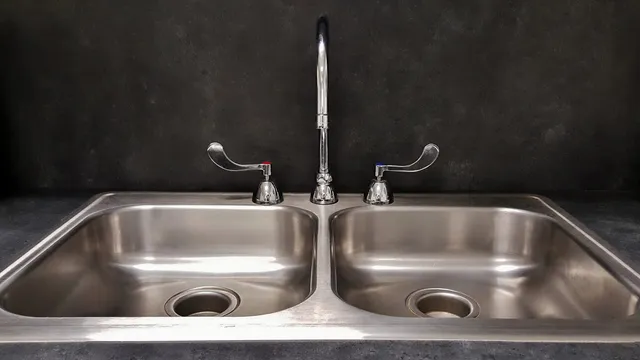
The Weiman kit is the best stainless steel cleaner and polish for most appliances. Compare four picks for appliances, cookware, sinks, and plant-based care.
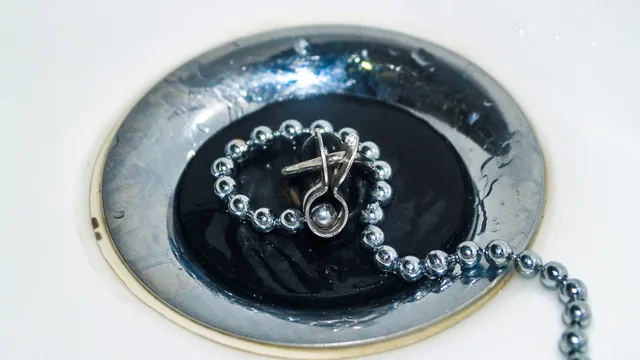
Start with warm water, mild dish soap, and the maker's care guide to restore stainless steel safely. Use only cleaners approved for that exact surface.
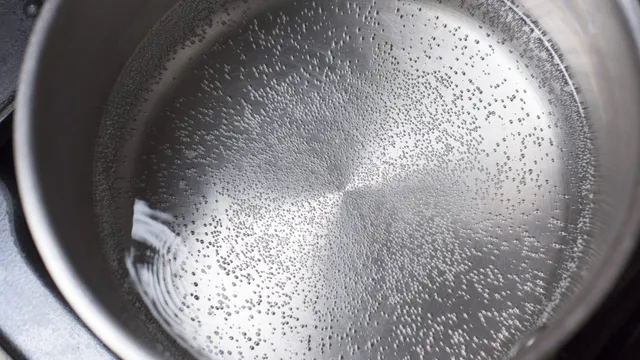
A stainless steel pan is ready when it reaches the heat your recipe needs and the oil flows easily. A water-bead test is optional, not a universal target.
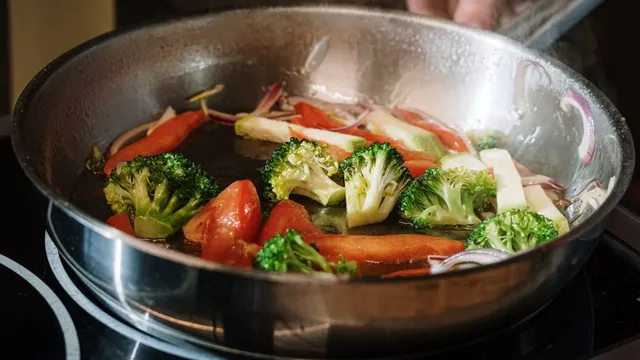
No, stainless steel pans do not need seasoning. Preheat over moderate heat, add suitable oil, dry the food, and wait for natural release before turning.
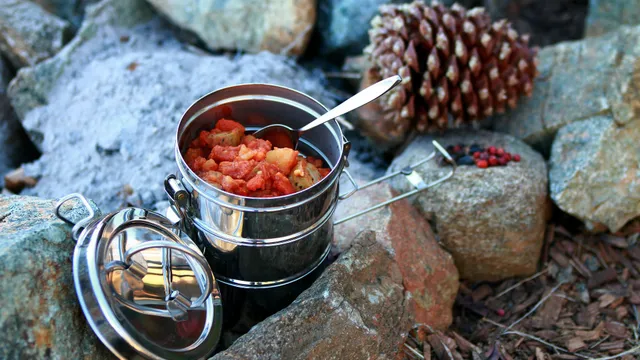
Keep stainless steel pans from sticking in four steps: preheat over medium heat, add oil, let it warm, then add dry food and wait for it to release safely.
Stainless steel can dull, stain, heat-tint, or corrode. The cause and safe cleaning method depend on alloy, finish, coating, exposure, and intended use.