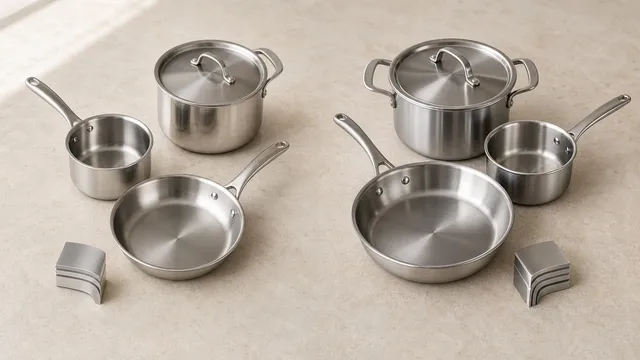
All-Clad D3 vs D5: Which Cookware Is Better?
All-Clad D3 is the better buy for most cooks because it responds faster and costs less. D5 gives steadier heat and larger handles. Both work on induction.
Guides reviewed and refreshed with current details, newest update first.
All-Clad D3 is the better buy for most cooks because it responds faster and costs less. D5 gives steadier heat and larger handles. Both work on induction.
A brown stainless steel pan has baked-on oil or heat tint. Tell them apart by touch, see if it is safe to cook in, and use the right fix for each mark.
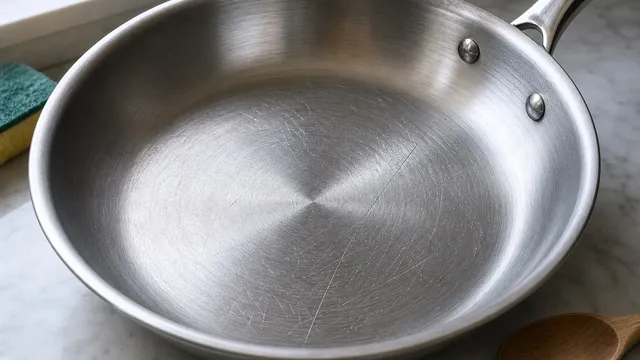
Yes, light scratches on uncoated stainless steel pans are cosmetic and safe. Use a quick fingernail and angled-light check to spot damage that means replace.
18/0 stainless steel is magnetic grade 430 with almost no nickel. 18/10 adds about 10% nickel and resists rust better. Compare them for flatware.
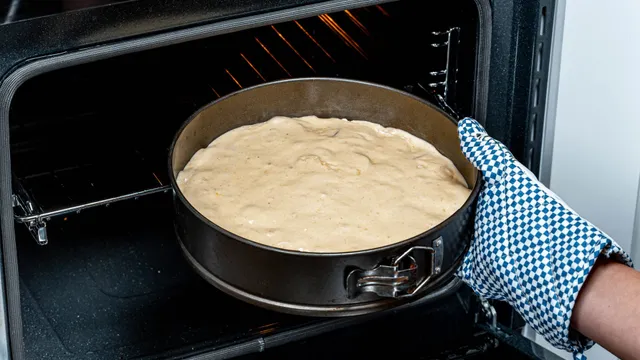
Stainless pans warp when one area heats or cools faster than the rest. Learn to judge a warp, why DIY fixes risk clad pans, and which bases resist it.
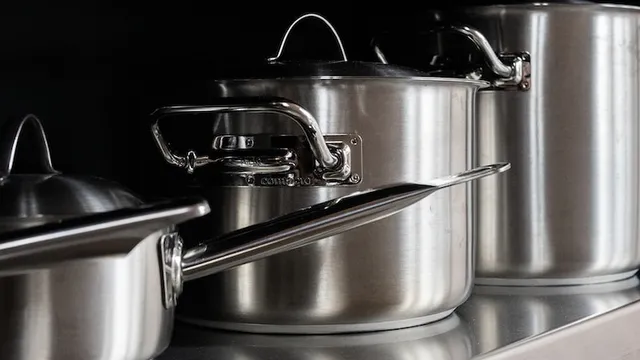
All-Clad D3 beats Made In for most cooks because its 12-inch pan includes a lid. Made In wins on bare-pan weight, a broader handle, and an 800°F oven limit.
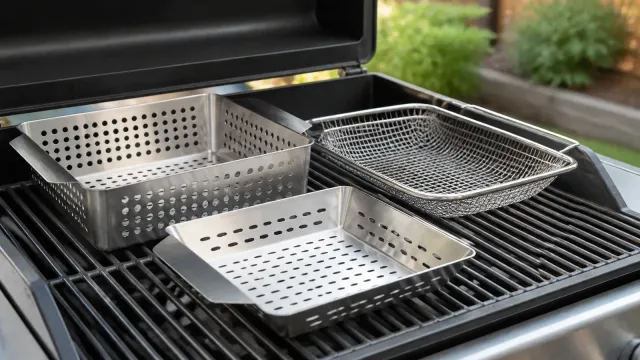
Compare 3 stainless steel grill baskets by style, opening size, grill fit, dimensions, handles, food-contact material, care, and cleaning instructions.
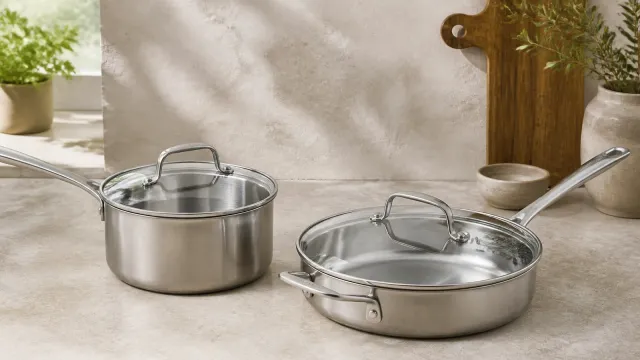
Compare 4 stainless steel cookware sets with glass lids by exact lid coverage, venting, oven limits, construction, care, and model-specific replacement fit.
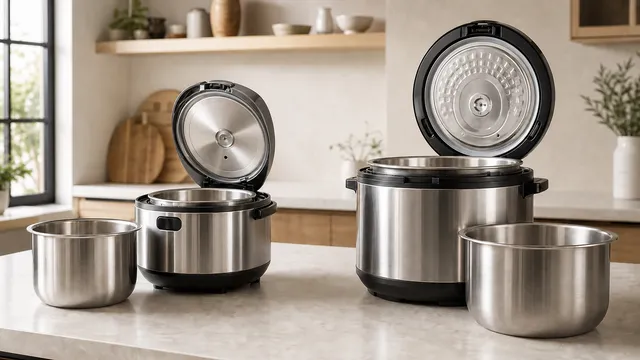
Aroma ARC-753SGB leads these rice cookers with a documented stainless inner pot. Compare its small direct-heat format with Tatung's larger indirect cooker.
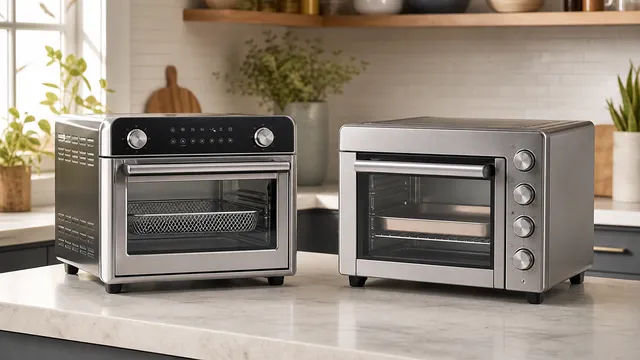
Compare Breville and Cuisinart air-fryer ovens with stainless body or interior construction, including size, accessories, and unverified basket materials.
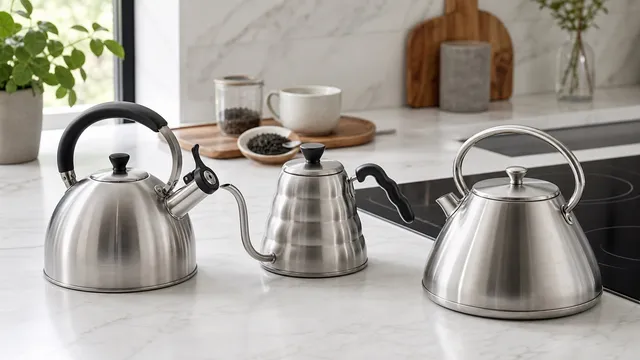
Le Creuset's Stainless Classic leads our stovetop picks. Compare it with Hario's pour-over kettle and Fellow's 1.5-liter electric Clyde for countertop boiling.
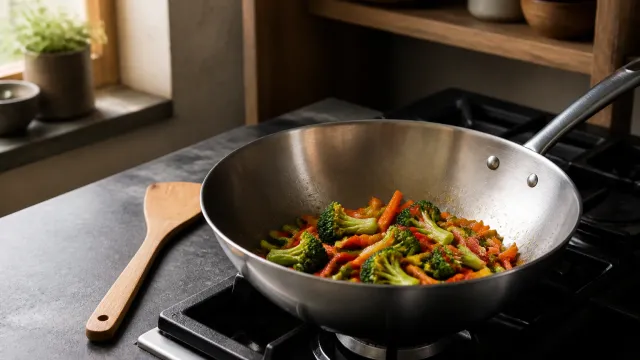
The Tramontina Signature is the best stainless steel wok for most cooks. Compare 4 bare-steel picks by cladding, lid, shape, stove fit, and oven limit.
Hestan vs All-Clad: compare ProBond's flush rivets and dishwasher care with D3's smaller skillets and cookware made in the USA with global components.
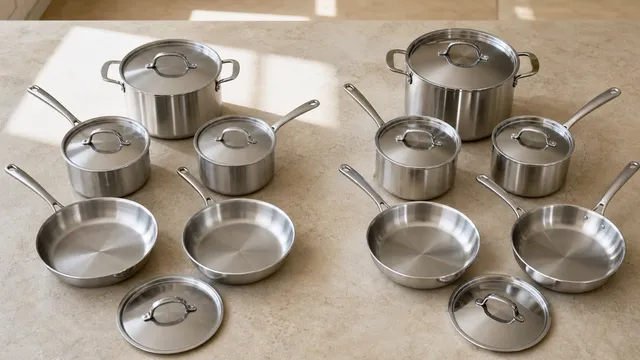
Tramontina Tri-Ply Clad is the value pick when its offer costs less; All-Clad D3 adds steel lids, oven headroom, and U.S. manufacture with global components.
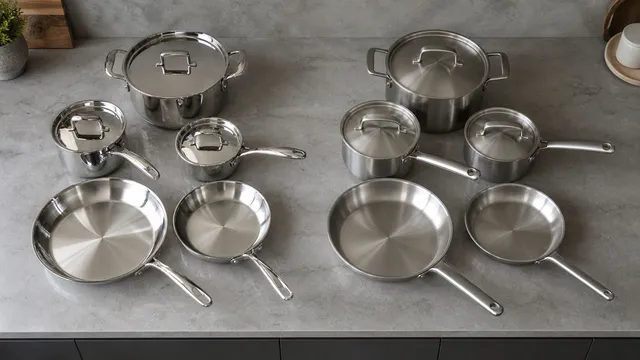
All-Clad D3 is our default over Viking 3-Ply. Compare exact 10-piece stainless cookware sets by construction, handles, vessel mix, origin, and overall value.
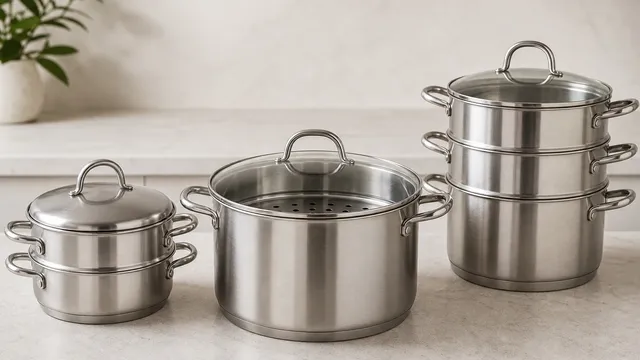
The Tramontina 5-quart set is the best stainless steel steamer pot for most homes. Compare 3 picks by capacity, insert, lid, cooktop, and batch sizes.
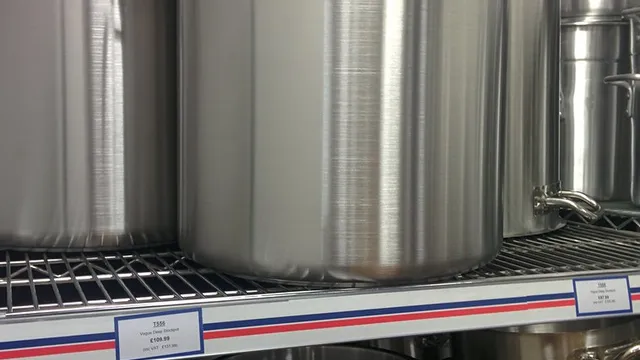
Demeyere vs All-Clad: compare Industry 5 welded handles, dishwasher care, and published base diameter with D3 rivets, handwashing, and a 600°F oven limit.
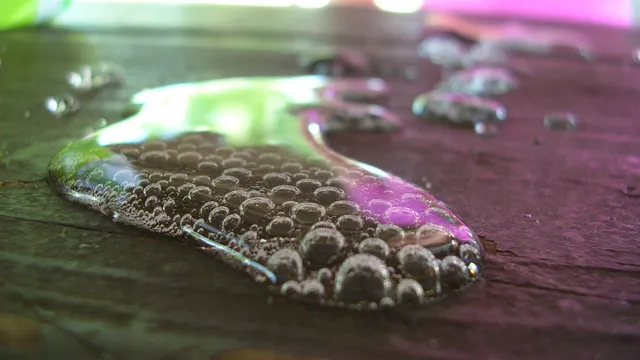
Put soda or sparkling water in a stainless steel bottle only when its maker approves the exact bottle and lid. Carbonation can pressurize the closure.
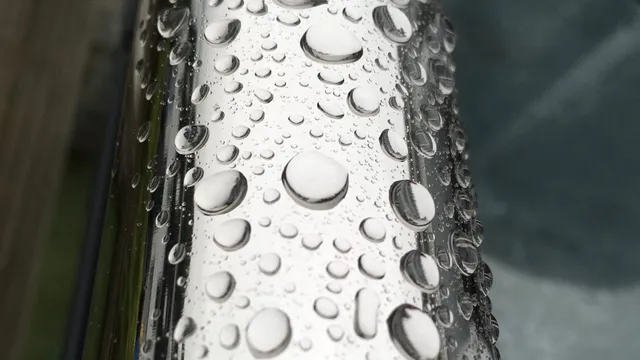
Stainless steel is water-resistant, not waterproof. See how fresh water, salt, chlorine, grade, deposits, and care change its corrosion risk over time.
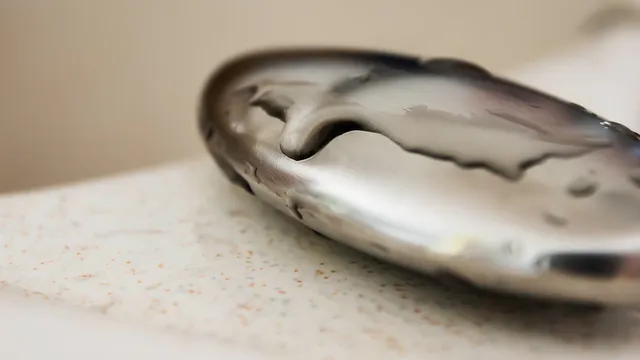
Stainless steel soap may reduce garlic or onion odor, but strong controlled evidence is lacking. See the proposed mechanism and why it cannot replace soap.
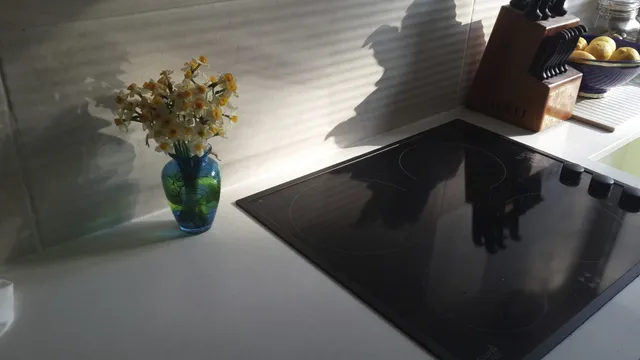
Stainless steel works on induction if the pan base is magnetic. Use the 10-second magnet test and see why 430 works while 304 alone may not in daily use.

Metal detectors can detect stainless steel. Whether an item triggers an alarm depends on its alloy, size, shape, orientation, detector type, and settings.
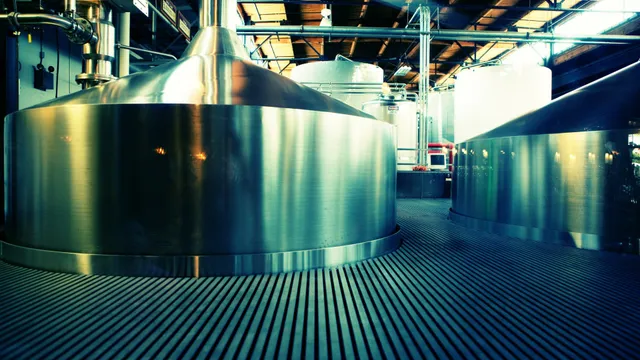
An intact stainless cup made for beer is suitable, but sealed growlers must be pressure-rated. Cleanliness, temperature, shape, and rim can affect flavor.
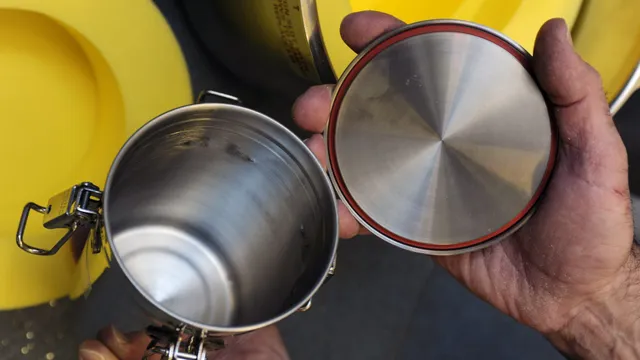
Food-grade stainless steel containers are safe for the fridge and freezer when used as directed. Learn about safe lids, cooling, thawing, and reheating.
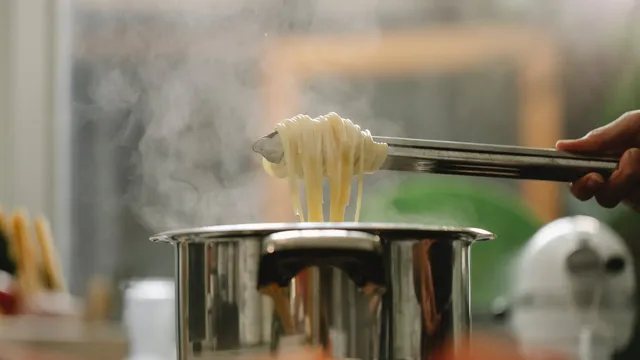
Stainless cookware is durable, versatile, and good for browning, but it can stick, heat unevenly, feel heavy, and cost more. Construction drives performance.
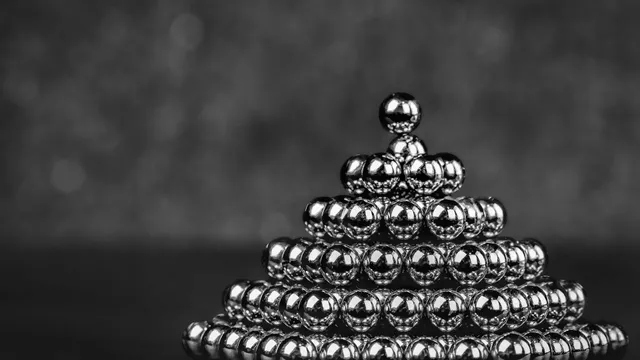
Some stainless steel is magnetic. Ferritic grades like 430 and 409 are; austenitic 304 and 316 usually aren't. A grade-by-grade guide with a magnet test.
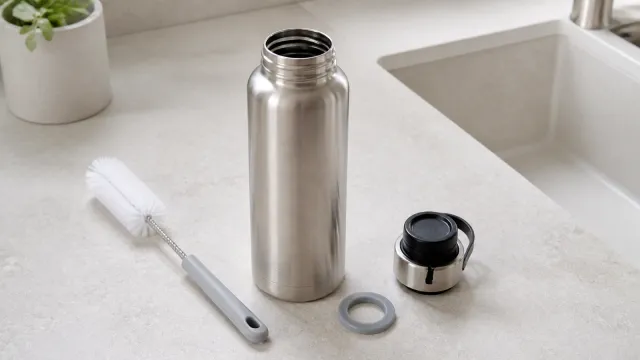
Learn how to clean a stainless steel water bottle, including the body, neck, cap, gasket, straw, odor film, residue, rinsing, drying, and replacement limits.
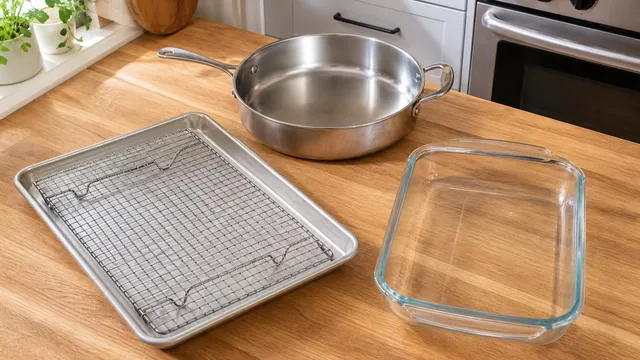
Use a rimmed sheet pan with an oven-safe rack for most roasts. An oven-safe skillet, baking dish, or Dutch oven also works when sized for the food.
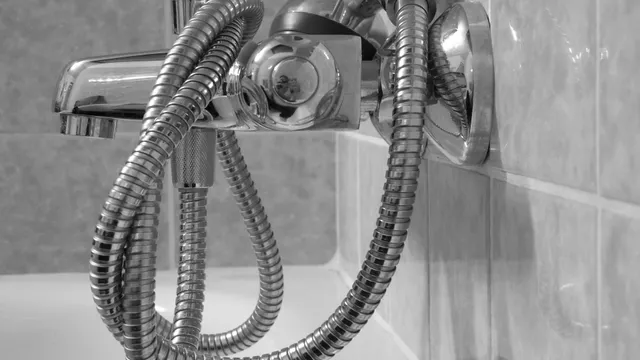
Stainless steel usually resists shower moisture, but grade, finish, chlorides, water deposits, crevices, contamination, and care determine whether it rusts.
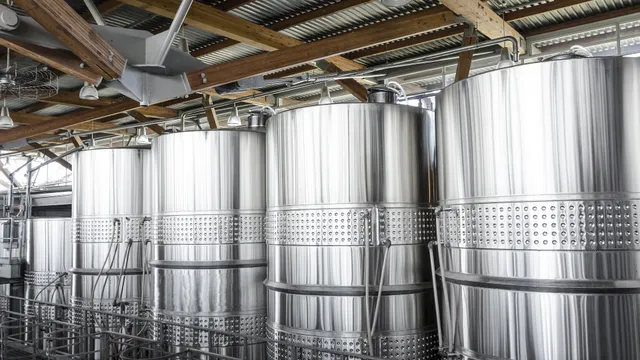
Clean, intact stainless drinkware made for wine is generally suitable. Cup shape, temperature, rim contact, and residue can change how the wine tastes.
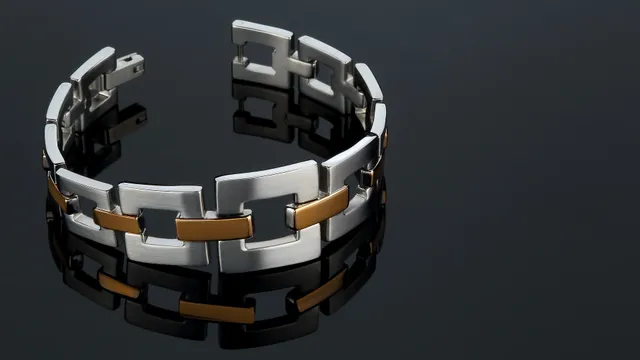
Stainless steel jewelry is not automatically hypoallergenic. Grades 304 and 316L contain nickel, so sensitive wearers should check nickel-release claims.
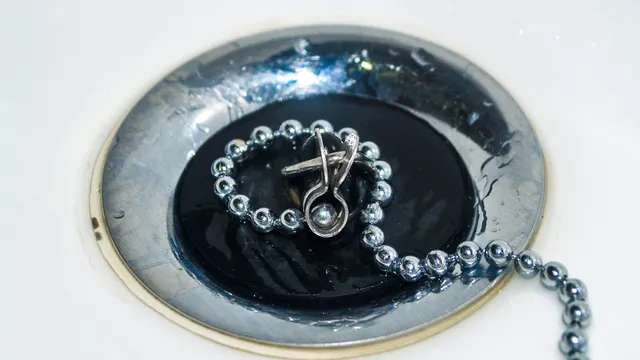
Start with warm water, mild dish soap, and the maker's care guide to restore stainless steel safely. Use only cleaners approved for that exact surface.
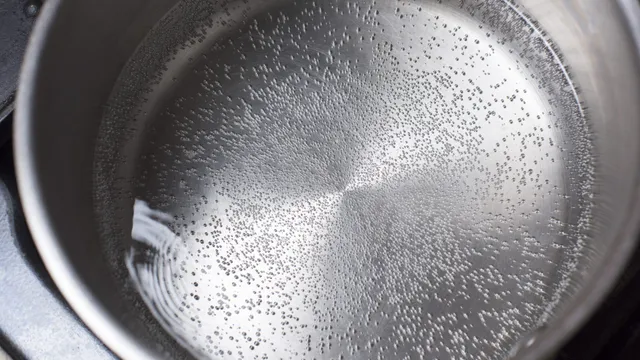
A stainless steel pan is ready when it reaches the heat your recipe needs and the oil flows easily. A water-bead test is optional, not a universal target.
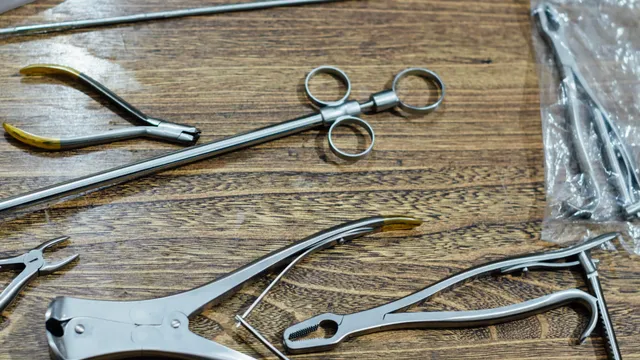
Stainless steel bends with the right grade, radius, and tooling. Learn how thickness, work hardening, and springback change a successful bend.
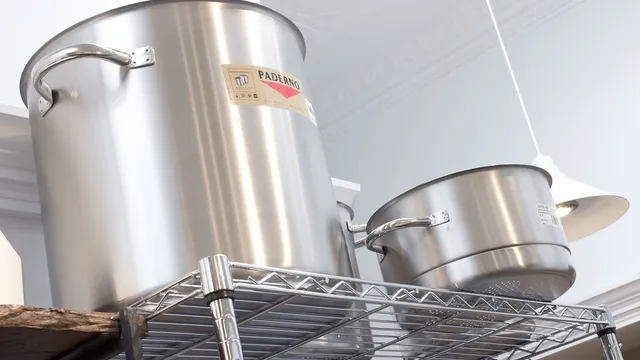
HOMICHEF's Whole-Clad set is our best documented nickel-free stainless cookware pick. Compare three available options and the alloy caveats.
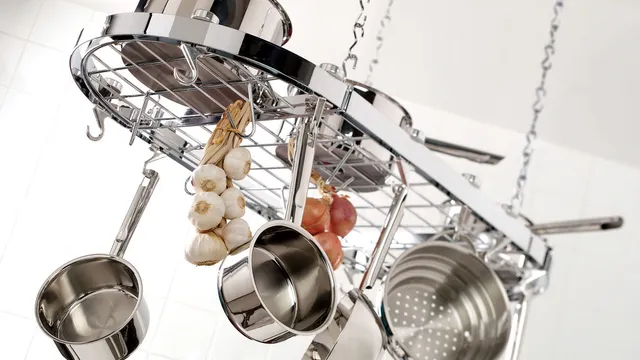
The Heritage Steel x Eater 8-Piece Core Set is our best American-made stainless cookware. Compare it with proven All-Clad and a compact premium set.
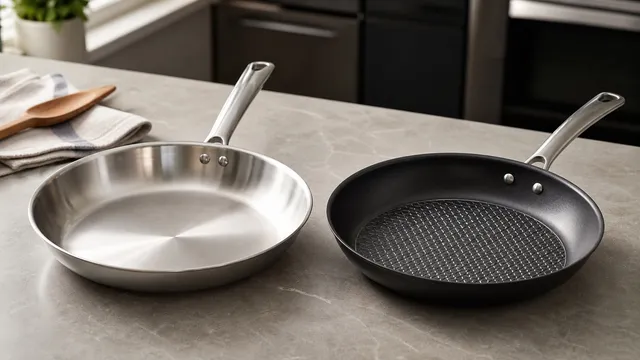
Choose All-Clad D3 for a durable bare stainless cooking surface. Choose HexClad only if easier release matters more than avoiding a coated hybrid surface.
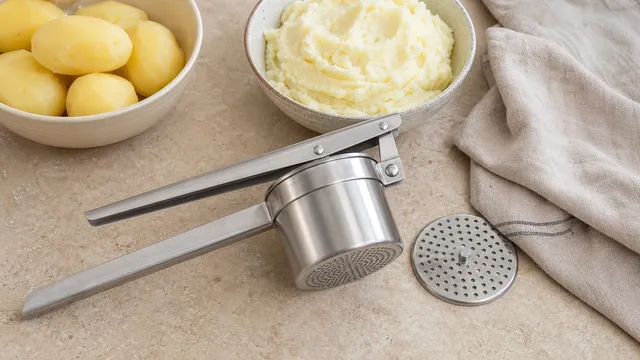
The OXO Good Grips 3-in-1 is the best stainless steel potato ricer for most cooks. Compare adjustable, removable-disc, and large-capacity designs.
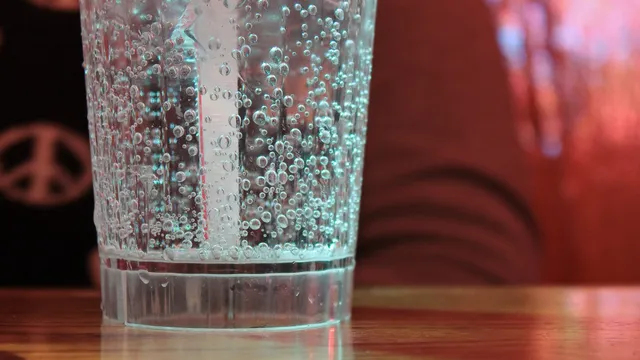
The Owala FreeSip is the best stainless steel water bottle for most people. Compare it with the Hydro Flask Wide Mouth and YETI Rambler to find your fit.
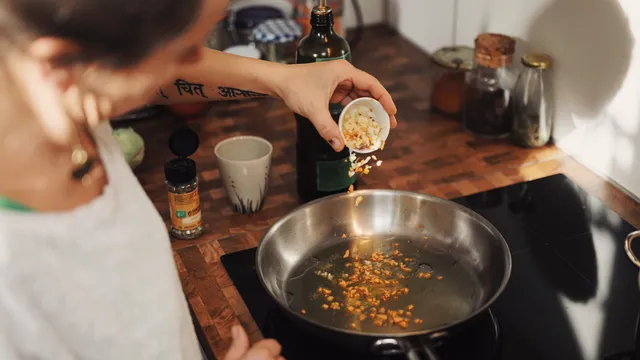
Stainless steel frying pans are good for browning, searing, pan sauces, and durable everyday use, but they require preheating, oil, and careful heat control.
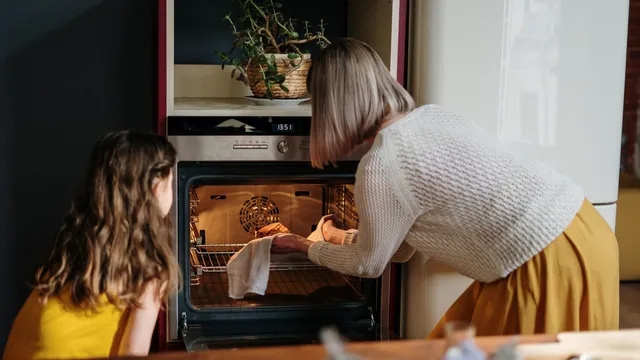
Stainless steel can go in the oven when every part of the pan is rated for the temperature. Check the handle, lid, coating, and exact manufacturer limit.
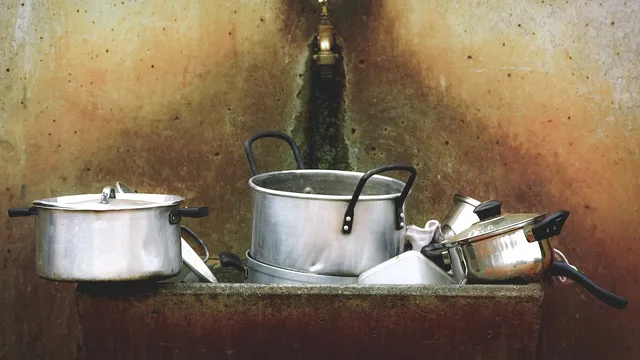
Stainless steel cookware is generally safe when used as directed, but acidic foods can increase nickel and chromium migration. What cooks should know.
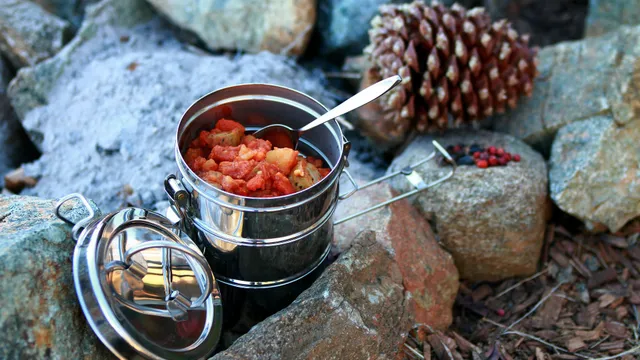
Keep stainless steel pans from sticking in four steps: preheat over medium heat, add oil, let it warm, then add dry food and wait for it to release safely.
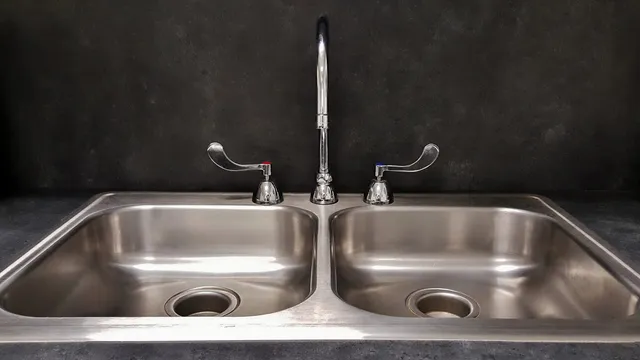
The Weiman kit is the best stainless steel cleaner for most appliance surfaces. Compare four picks for appliances, cookware, sinks, and gentler cleaning.
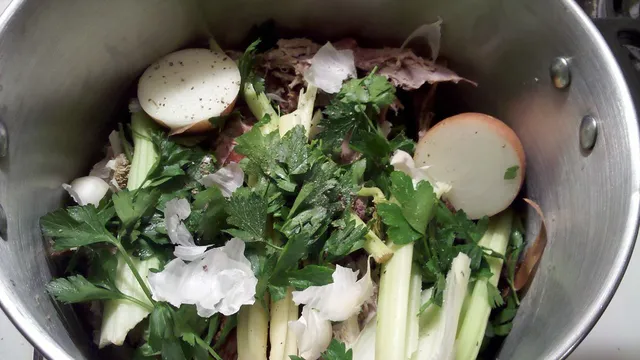
Choosing a stainless steel stockpot? Compare capacity, construction, handles, lid and cooktop compatibility, then verify the maker's heat and care limits.
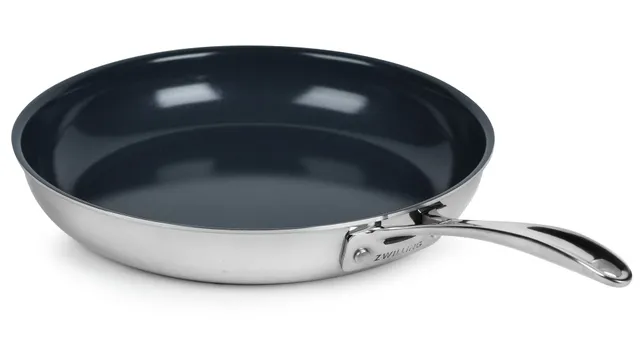
Ceramic coatings can add a nonstick surface to stainless cookware, but formula, durability, oven limits, damage response, and care vary by exact product.
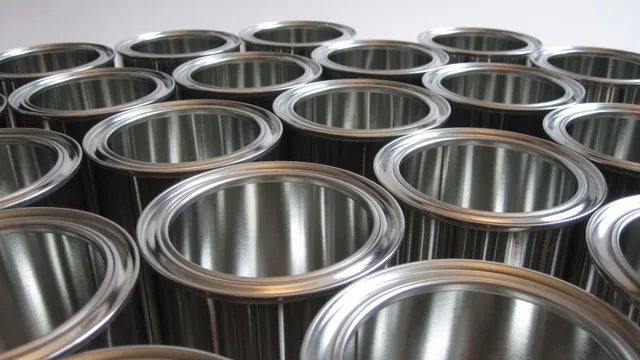
Yes, you can powder coat stainless steel. It adds color, texture, and corrosion resistance, but the smooth surface needs proper prep so the coating sticks.
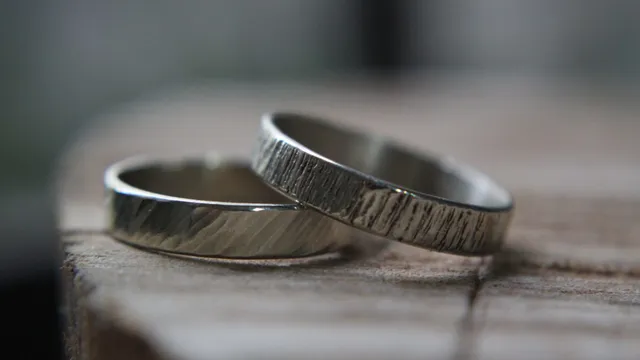
Stainless steel itself rarely turns skin green. A mark often points to copper or brass in mixed-metal jewelry. Learn what the color means and how to prevent it.
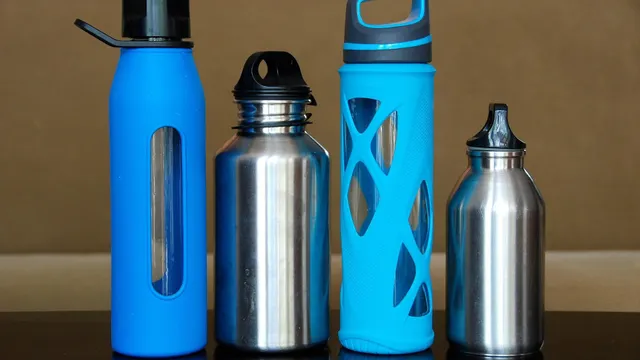
Does stainless steel have BPA? Bare uncoated stainless steel does not contain BPA. Learn which plastic lids or linings to check and what regulators currently say.
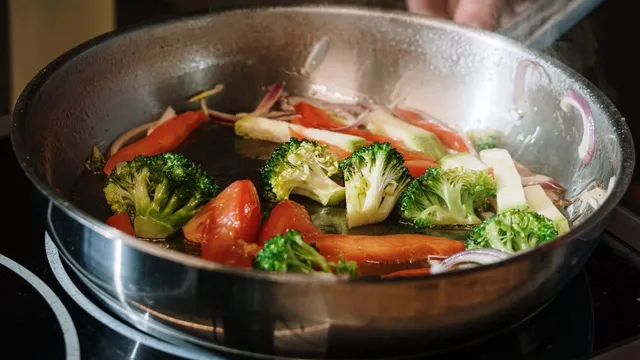
No, stainless steel pans do not need seasoning. Preheat over moderate heat, add suitable oil, dry the food, and wait for natural release before turning.
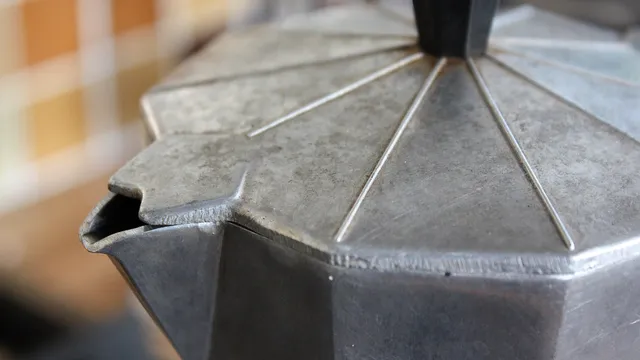
Clean, intact food-grade stainless steel usually does not add flavor to coffee. Residue, lids, coatings, drink temperature, and lip contact can change taste.
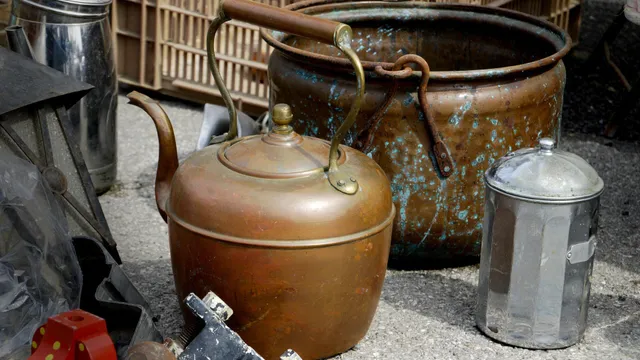
Stainless steel can dull, stain, heat-tint, or corrode. The cause and safe cleaning method depend on alloy, finish, coating, exposure, and intended use.